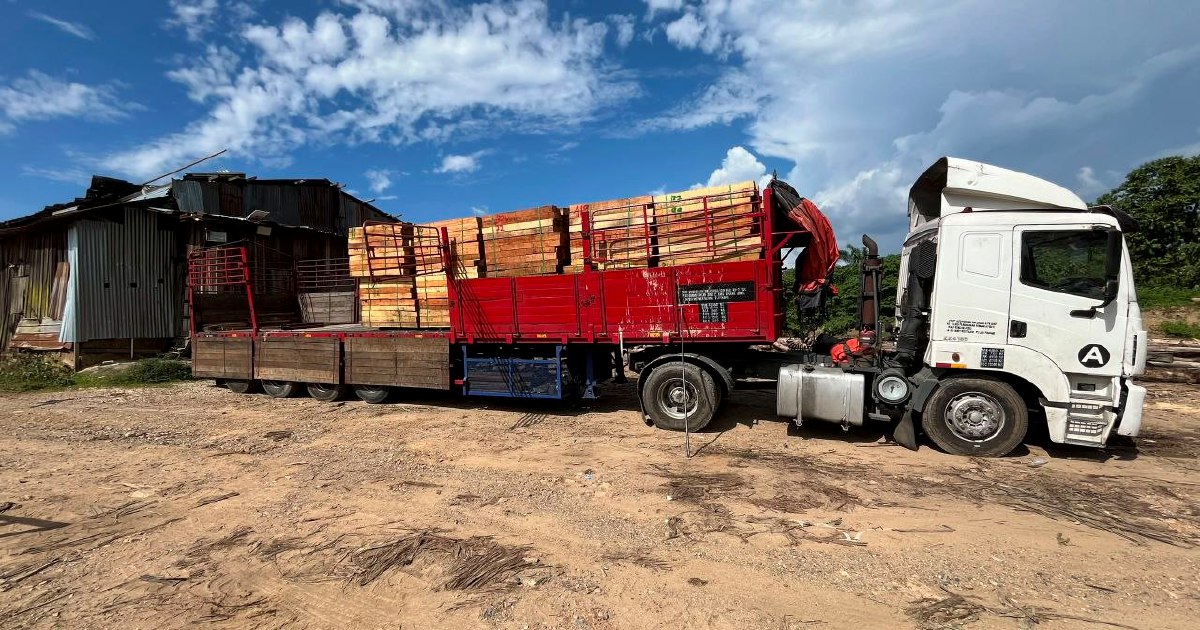
Five men have been detained following the discovery of an unlicensed timber processing facility operating in Sungai Embak, Kuala Krai, in what represents a significant enforcement action against illegal forestry activities in the state. The operation uncovered yesterday resulted in the seizure of machinery, equipment, and timber stocks collectively valued at RM2.32 million, underscoring both the scale of unauthorised timber operations in Malaysia and the persistence of environmental crimes despite heightened monitoring.
The discovery points to an ongoing challenge facing Malaysian authorities responsible for forestry management and environmental protection. Illegal timber processing represents not merely a matter of regulatory non-compliance but a direct threat to forest conservation efforts and economic loss to the state through unaccounted harvesting and processing. The facility's operation in Sungai Embak suggests a degree of sophistication and established infrastructure, indicating these operations often run with minimal detection for extended periods before authorities intervene.
The seized materials comprise industrial-scale processing machinery alongside raw timber stocks, a combination suggesting the facility was equipped for substantial output rather than small-scale operation. The valuation of RM2.32 million reflects both the quality and quantity of materials recovered, as well as the replacement cost of specialised forestry processing equipment. Such facilities typically require significant investment to establish, pointing to organised involvement rather than opportunistic illegal activity.
Kelantan, one of Malaysia's major timber-producing states, remains vulnerable to illegal timber extraction due to the vast extent of forest reserves and challenges in comprehensive monitoring across remote areas. The state's forests represent valuable timber resources, yet this same value creates incentives for unlicensed operators seeking to circumvent regulatory frameworks and taxation obligations. Historical patterns show that illegal timber operations frequently relocate or employ sophisticated concealment methods after enforcement actions, necessitating continued vigilance from authorities.
The five individuals arrested will likely face charges under forestry and environmental legislation. Malaysia's legal framework provides substantial penalties for timber-related offences, including imprisonment and fines, though conviction rates and sentencing consistency remain subjects of discussion among enforcement specialists. The detention represents the investigative phase, with formal charges depending on evidence gathered during the raid and subsequent investigation.
Beyond the immediate enforcement action, this case reflects broader regional concerns regarding timber trafficking and illegal forest product processing. Southeast Asia confronts persistent challenges in curbing unauthorised timber operations, with networks sometimes spanning multiple countries and involving laundering of illegal logs through legitimate supply chains. Malaysia's position as both a significant timber producer and processor creates particular vulnerabilities, as illegally harvested materials can more easily integrate into commercial streams.
The operation's uncovering demonstrates the effectiveness of targeted enforcement when applied, yet also highlights resource constraints affecting comprehensive detection. Authorities operate across large geographic areas with challenging terrain, limiting their capacity for sustained surveillance despite advances in monitoring technology. Successful interdiction typically requires intelligence from communities, competitors, or environmental organisations, as random patrols alone prove insufficient for detecting operations often deliberately situated in remote or less-supervised locations.
For Malaysian timber industries operating legitimately, such enforcement actions carry mixed implications. While eliminating unfair competition from operators avoiding regulatory compliance and tax obligations benefits compliant businesses, the RM2.32 million seizure represents a fraction of Malaysia's total timber processing sector. Industry bodies have consistently advocated for strengthened enforcement against illegal operators, recognising that illicit activities undermine market prices and damage industry reputation internationally, particularly among markets increasingly concerned with sustainable sourcing.
The raid also carries implications for Malaysia's forest management and sustainability credentials. As international markets impose stricter due diligence requirements regarding timber sourcing, incidents involving illegal processing can attract scrutiny despite representing enforcement successes. Malaysia has invested substantially in forest certification and sustainable forestry frameworks, yet persistent illegal operations complicate efforts to demonstrate comprehensive regulatory effectiveness to international buyers and environmental organisations.
Moving forward, authorities face the challenge of preventing reconstitution of such operations while addressing root causes enabling their establishment. Effective approaches typically combine enhanced monitoring, community engagement, penalties sufficient to deter participation, and alternative livelihood development in timber-dependent communities. The Kelantan raid represents a point intervention, yet sustainable reduction in illegal timber processing requires sustained pressure across enforcement, regulatory, and economic dimensions.

