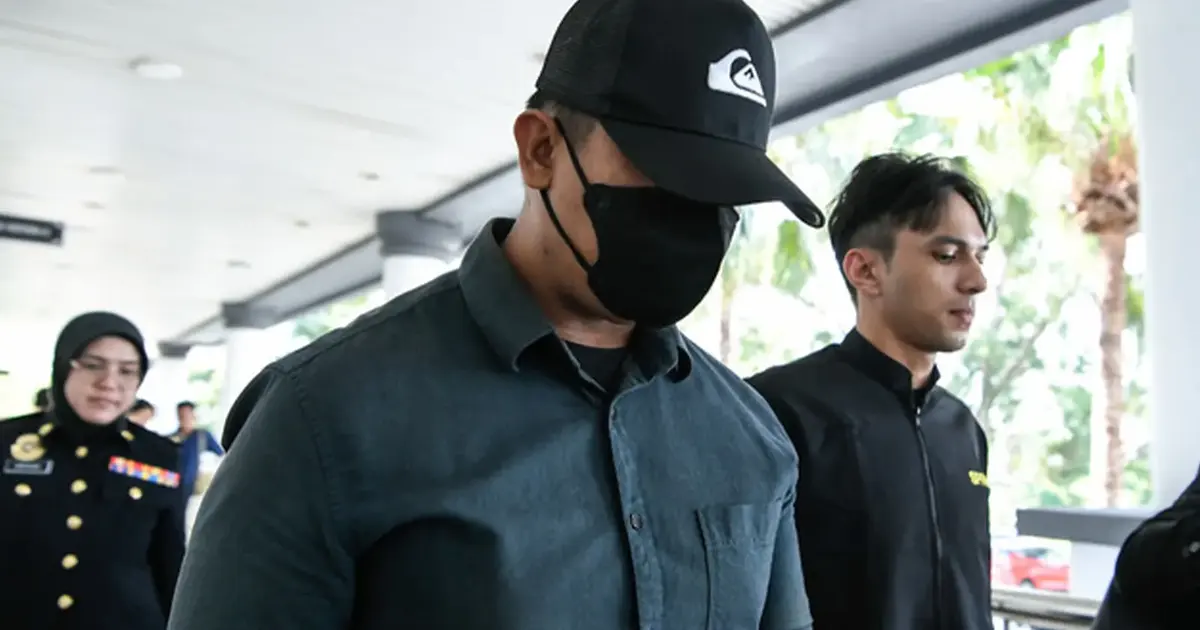
A senior official from Malaysia's fire and rescue department is facing serious corruption charges after allegedly soliciting and accepting approximately RM11,500 in bribes to expedite administrative processes for business owners. The allegations centre on Johari Bar Azwar, a superintendent within the department, who is accused of leveraging his official position to demand financial inducements in exchange for issuing crucial licensing support letters.
According to the charges, the improper transactions occurred across a two-year period, highlighting what authorities suggest was a pattern of systematic abuse of official authority. The first alleged bribery incident occurred in 2024, when Johari Bar Azwar is accused of accepting RM1,500 from a business owner seeking a fire and rescue department endorsement. The second, larger payment of RM10,000 is said to have been accepted in the preceding year, again as compensation for facilitating the issuance of support documentation necessary for licensing purposes.
Fire and rescue department licensing support letters serve a critical function in Malaysia's regulatory framework. These documents are required by various business establishments—including restaurants, hotels, warehouses, and manufacturing facilities—as part of mandatory safety compliance procedures. By controlling access to these letters, senior officials like superintendents wield considerable gatekeeping authority over business operations, creating potential vulnerabilities to corrupt practices. The charges suggest that Johari Bar Azwar deliberately exploited this institutional leverage to extract payments from desperate business owners who needed rapid approval to commence or continue operations.
The case underscores persistent challenges within Malaysia's civil service regarding corruption and abuse of authority. While the fire and rescue department plays a vital public safety role, the department's decentralised structure and the discretionary nature of licensing decisions have historically presented opportunities for misconduct. This particular incident joins a growing list of corruption cases involving public officials who have weaponised their administrative responsibilities for personal financial gain.
For business owners navigating Malaysia's regulatory landscape, such incidents represent significant concern. Companies seeking to establish operations or renew licenses must interact with government agencies, and allegations that officials demand unofficial payments effectively transform transparent administrative processes into extortion schemes. The charges against Johari Bar Azwar suggest that some entrepreneurs may have had little choice but to comply with demands for bribes rather than face indefinite delays in obtaining necessary approvals.
The timing of these charges reflects intensified enforcement efforts by Malaysian authorities to address corruption within public institutions. Anti-corruption agencies have increasingly focused on uncovering misconduct within essential service departments, recognising that such corruption not only undermines institutional integrity but also imposes real costs on ordinary citizens and legitimate businesses. The investigation that led to charges against Johari Bar Azwar likely involved cooperation between multiple agencies investigating suspicious transactions and statements from complainants.
From a regional perspective, the case illustrates governance challenges that extend beyond Malaysia. Across Southeast Asia, fire and rescue departments and other safety-focused agencies have sometimes become vehicles for rent-seeking behaviour. Officials in these departments control market access for businesses, and without robust accountability mechanisms, such control can translate into corrupt practices. Malaysia's decision to prosecute this case publicly may serve as a deterrent, signalling that even mid-level officials cannot expect immunity from investigation.
The nature of the charges—accepting bribes for licensing facilitation—speaks to structural issues requiring systemic reform. Simply prosecuting individual officers, while necessary, does not address underlying problems such as insufficient transparency in the licensing process, inadequate oversight of official discretion, and lack of clear timelines for administrative decisions. Until the fire and rescue department implements stronger internal controls, standardised procedures, and digital systems that reduce human discretion, similar vulnerabilities are likely to persist.
Business associations and chambers of commerce across Malaysia have long highlighted corruption within licensing processes as a barrier to entrepreneurship. This case provides concrete evidence supporting those complaints and may strengthen advocacy for departmental reforms. Stakeholders are likely to demand that the fire and rescue department implement expedited licensing tracks, public online portals tracking application status, and clearer criteria for approvals—measures designed to minimise opportunities for officials to demand illicit payments.
The legal proceedings against Johari Bar Azwar will proceed through Malaysia's courts, where evidence will be tested and appropriate penalties determined. If convicted, the superintendent faces potential imprisonment and substantial fines, alongside termination from public service. The case serves as a practical demonstration that public officials, regardless of rank, remain subject to the law and that corruption allegations involving civil servants will be pursued vigorously.
Beyond the immediate circumstances of this particular charge, the case highlights the importance of maintaining public confidence in essential services. Citizens and businesses depend on fire and rescue departments to function with integrity and professionalism. When officials within such departments engage in corrupt practices, public trust erodes, and the broader mission of the department becomes compromised. As Malaysia continues to strengthen its anti-corruption framework, cases like this will likely become more frequent, both reflecting improved detection capabilities and serving as cautionary examples for other officials.

