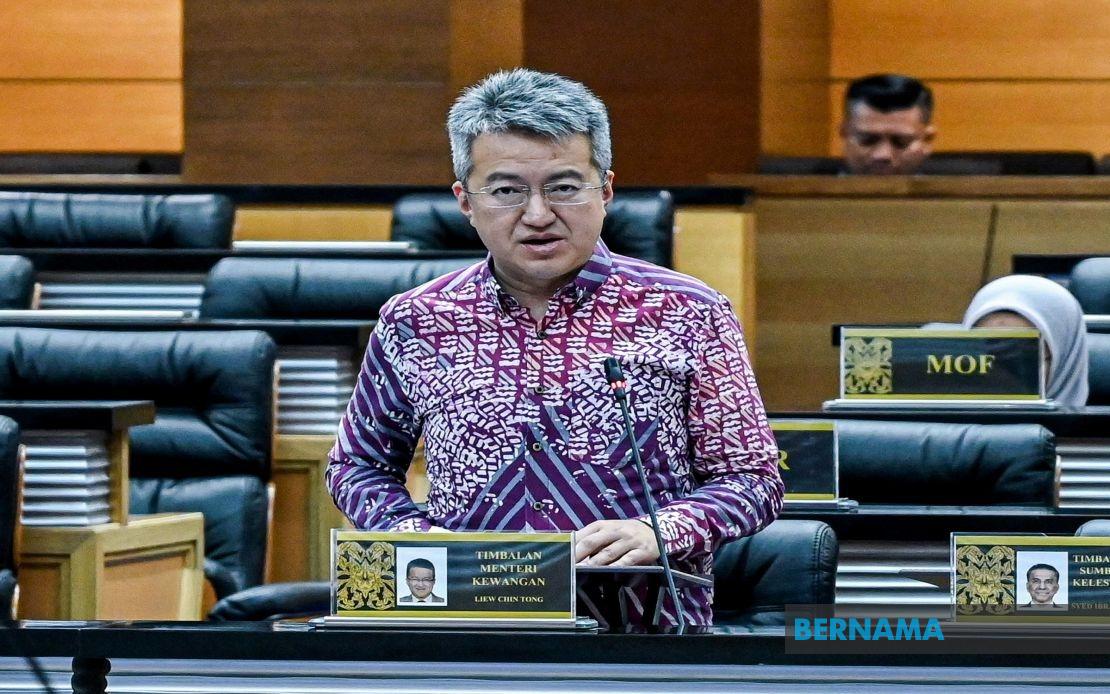
The Malaysian government is taking seriously a growing concern over the financial strain that the Sales and Service Tax places on families seeking professional care for elderly relatives. Deputy Finance Minister Liew Chin Tong announced that the Ministry of Finance, working alongside the Ministry of Women, Family and Community Development, has initiated a comprehensive review of whether elderly care centres registered with the Social Welfare Department should receive tax exemptions. This study represents a targeted response to mounting pressure from lawmakers and constituents worried that the eight per cent service tax is adding unsustainable costs to an already demanding family expense.
The impetus for this policy review came during parliamentary proceedings when Lee Chuan How, representing the Ipoh Timor constituency, highlighted the tangible burden the tax creates for ordinary Malaysian households. He pointed out that monthly fees for elderly care centres typically range around RM2,500, and the additional eight per cent levy significantly amplifies this expense for families already grappling with broader cost-of-living pressures. This intervention reflects a broader political acknowledgment that certain essential services—particularly those serving vulnerable populations—merit special consideration within Malaysia's tax framework.
The scope of the Finance Ministry's investigation extends beyond a simple yes-or-no decision on exemption. The study specifically includes a detailed categorisation of elderly care services, distinguishing between facilities that provide basic care and those offering premium services. This granular approach suggests the government recognises that a blanket exemption may not be appropriate or necessary across all service tiers. Understanding which categories warrant relief requires careful analysis of what services genuinely constitute necessities versus optional enhancements, a distinction that will likely prove contentious during deliberations.
Liew's emphasis on protecting vulnerable groups underscores the government's framing of this issue as fundamentally about equity rather than revenue. By positioning the review around ensuring that vulnerable populations do not face undue hardship, the Finance Ministry is signalling that tax policy should be responsive to the real circumstances of ordinary Malaysians. This approach aligns with broader governmental rhetoric about cost-of-living relief, though it also reflects a pragmatic recognition that political pressure on such matters can affect public sentiment toward taxation more broadly.
Beyond policy analysis, the Finance Ministry has committed to ground-level engagement with elderly care centre operators. Liew announced that he and his officers will undertake working visits to affected facilities, partnering with the Ministry of Women, Family and Community Development to assess operational realities firsthand. These visits are designed not merely as token gestures but as substantive information-gathering exercises that will enable policymakers to understand the specific challenges operators face under the current tax regime. Such direct engagement can prove valuable for identifying practical concerns that remote analysis might overlook.
The inclusion of working sessions with care centre operators reflects a participatory approach to policymaking, inviting stakeholders to contribute their insights before final recommendations are finalised. This consultative methodology suggests the government recognises that those directly affected by tax policy possess valuable knowledge that should inform decision-making. However, it also creates pressure for operators to articulate their concerns compellingly, potentially disadvantaging smaller or less resourced facilities that lack advocacy infrastructure.
This policy review occurs within Malaysia's broader tax environment, where the Sales and Service Tax itself remains relatively recent and somewhat contentious. Introduced to replace the Goods and Services Tax, the SST represents the government's chosen approach to indirect taxation, and selective exemptions must be carefully weighed against broader tax base considerations. Expanding exemptions in certain sectors creates precedent for other industries seeking similar relief, requiring the government to articulate principled criteria for distinguishing which services merit special treatment.
The timing of this initiative also reflects Malaysia's demographic trajectory, with an ageing population increasingly requiring professional care services. As more families navigate the decision to use formal elderly care facilities rather than relying entirely on multigenerational household arrangements, the accessibility and affordability of such services becomes progressively significant. Policy decisions made now will shape whether formal elderly care remains economically feasible for middle-income Malaysian families or becomes concentrated among wealthier households.
From a regional perspective, Malaysia's consideration of tax relief for elderly care services touches on broader Southeast Asian discussions about social protection and ageing populations. Several regional economies are grappling with similar questions about how tax systems should accommodate demographic changes and shifting family structures. How Malaysia resolves this question may influence policy conversations elsewhere in the region, particularly among countries with comparable income levels and tax structures.
The parliamentary context in which this announcement was made also merits attention. The Special Chamber session that featured Lee's intervention and Liew's response provided a structured forum for raising constituency concerns directly to relevant ministers. During this 16-day sitting, 63 motions were tabled, enabling substantive parliamentary engagement with diverse policy areas. This forum proved effective in elevating the elderly care tax issue to ministerial attention, demonstrating the continued relevance of parliamentary mechanisms in shaping government policy priorities.
Moving forward, the Finance Ministry's study will need to balance competing considerations: protecting families from undue tax burdens, maintaining adequate government revenue, avoiding precedent-setting that complicates the broader tax system, and ensuring that any exemptions are structured efficiently. The outcome will ultimately reflect the government's assessment of whether elderly care constitutes a sufficiently essential service warranting special tax treatment within Malaysia's fiscal framework.

