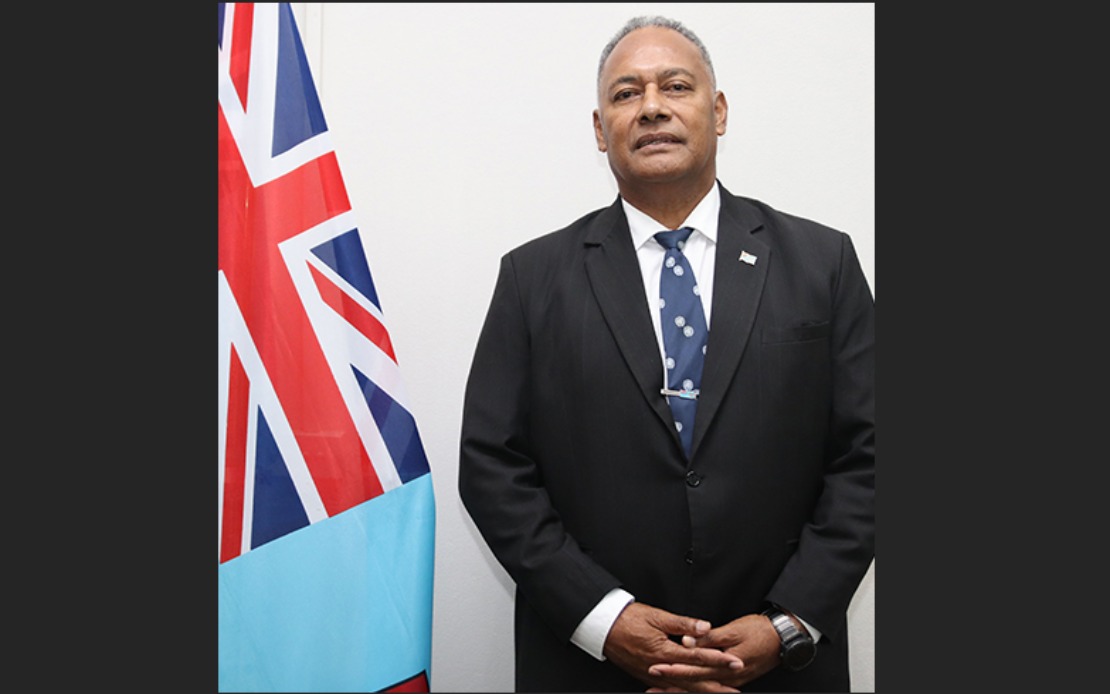
Fiji's Foreign and External Trade Minister Sakiasi Raisevu Ditoka is arriving in Malaysia for a four-day working visit beginning Sunday, signalling renewed diplomatic momentum between the two nations. The itinerary reflects both countries' commitment to transforming their relationship beyond traditional ties into a comprehensive economic partnership with strategic dimensions relevant to the broader Indo-Pacific region. Malaysia's Foreign Ministry has outlined an ambitious agenda centred on expanding collaboration across multiple sectors, positioning this visit as a pivotal moment for restructuring bilateral engagement in the 21st century.
The centrepiece of Ditoka's Malaysia visit involves substantive conversations with Foreign Minister Datuk Seri Mohamad Hasan, where both nations will chart pathways for intensified cooperation. Trade and investment constitute the primary focus, reflecting the reality that economic interdependence forms the foundation of stable regional relationships. However, the scope extends considerably beyond commerce, encompassing capacity-building initiatives that would enhance human capital development in both societies. These conversations will also address forestry management and renewable energy transitions, areas where Malaysia's established expertise and Fiji's archipelagic challenges create complementary opportunities.
Cultural exchange ranks prominently in the bilateral agenda, underscoring recognition that sustained partnerships require more than transactional arrangements. By fostering deeper people-to-people connections through cultural initiatives, Malaysia and Fiji aim to build resilience into their relationship that transcends fluctuations in political leadership or economic cycles. This cultural dimension becomes particularly significant for Pacific Island nations, which often prioritise maintaining diverse international partnerships to avoid over-reliance on any single power.
Beyond the bilateral framework, both ministers have scheduled time to examine regional and international developments affecting the Pacific and Southeast Asian context. This discussion will likely encompass climate change adaptation—a matter of existential importance for low-lying island nations like Fiji—alongside maritime security, trade route stability, and multilateral development initiatives. Malaysia's perspective as a Southeast Asian bridge to the Pacific region positions it as a valuable partner for Pacific Island nations navigating complex geopolitical considerations.
A separate engagement with Investment, Trade, and Industry Minister Datuk Seri Johari Abdul Ghani demonstrates Malaysia's determination to unlock fresh economic opportunities benefiting both nations. These discussions will probe unexplored sectors and identify gaps where complementary strengths can generate mutual prosperity. For Malaysian businesses, Fiji represents a potential gateway to broader Pacific markets, while Fijian enterprises may access Southeast Asian supply chains and manufacturing networks through Malaysian intermediaries.
The ceremonial reopening of Fiji's High Commission in Kuala Lumpur carries symbolic weight extending beyond diplomatic protocol. A functioning High Commission strengthens institutional capacity for ongoing dialogue, streamlines visa processing, and facilitates business engagement between nationals of both countries. This physical presence demonstrates commitment to relationship longevity and signals confidence in bilateral prospects. Similarly, the establishment of the Malaysia-Fiji Business Council creates a dedicated platform for private sector actors to identify ventures, share expertise, and navigate regulatory frameworks governing cross-border commerce.
Current trade volumes provide context for understanding the relationship's development trajectory. In 2025, bilateral trade reached RM880.01 million, equivalent to approximately US$206.2 million. Malaysia's export position stands notably strong at RM867.92 million, contrasting sharply with imports from Fiji valued at merely RM12.09 million. This imbalance suggests significant untapped potential in developing Fijian export capacity and identifying products where the island nation possesses competitive advantages. Agricultural commodities, aquaculture products, and tourism-related goods represent potential growth areas deserving exploration during these high-level meetings.
The structural trade imbalance also reflects broader patterns affecting many Pacific Island economies, which struggle to diversify beyond traditional export bases while navigating distance-related logistical constraints. Malaysia's experience in value-addition, industrial processing, and re-export operations could provide instructive models for Fijian policymakers seeking to enhance the productivity of their export sectors. Capacity-building initiatives discussed during this visit might specifically target technical skills enabling Fiji to process and market its natural resources more effectively.
For Malaysian policymakers, engagement with Pacific Island nations serves strategic interests beyond immediate economic returns. The region's growing geopolitical salience, coupled with climate vulnerability creating humanitarian imperatives, positions Pacific Island partnerships as components of broader regional diplomacy. Malaysia's efforts to strengthen relationships with smaller nations reinforce its identity as a responsible regional actor committed to inclusive development and non-hegemonic cooperation.
Fiji's reopening of diplomatic infrastructure in Malaysia suggests confidence in the relationship's potential and possibly reflects recalibration of the island nation's international engagement strategy. Pacific Island nations increasingly recognise the importance of maintaining multiple partnerships rather than concentrating diplomatic energy on traditional partners. Malaysia's geographic proximity relative to Australia and New Zealand, combined with its track record in South-South cooperation, positions it as an attractive alternative partner offering different perspectives on development challenges.
The timing of this visit, coupled with concurrent establishment of formal business mechanisms, indicates both governments view this moment as offering particular promise for advancing shared interests. Whether focused on environmental management, climate adaptation finance, or private sector development, the foundation laid during these meetings will likely shape Malaysia-Fiji relations for years ahead. The success of initiatives announced during this visit will ultimately depend on sustained implementation and genuine commitment from both governments to follow through on announced objectives.
Looking forward, this engagement exemplifies Malaysia's broader strategy of deepening relationships across the Indo-Pacific region while maintaining ASEAN cohesion. By investing diplomatic capital in partnerships with Pacific Island nations, Malaysia contributes to building a more multipolar regional architecture less dependent on extraregional powers. The practical outcomes—whether reflected in increased bilateral trade, successful capacity-building programmes, or expanded people-to-people exchanges—will determine whether this visit represents a genuine turning point or merely ceremonial diplomacy.

