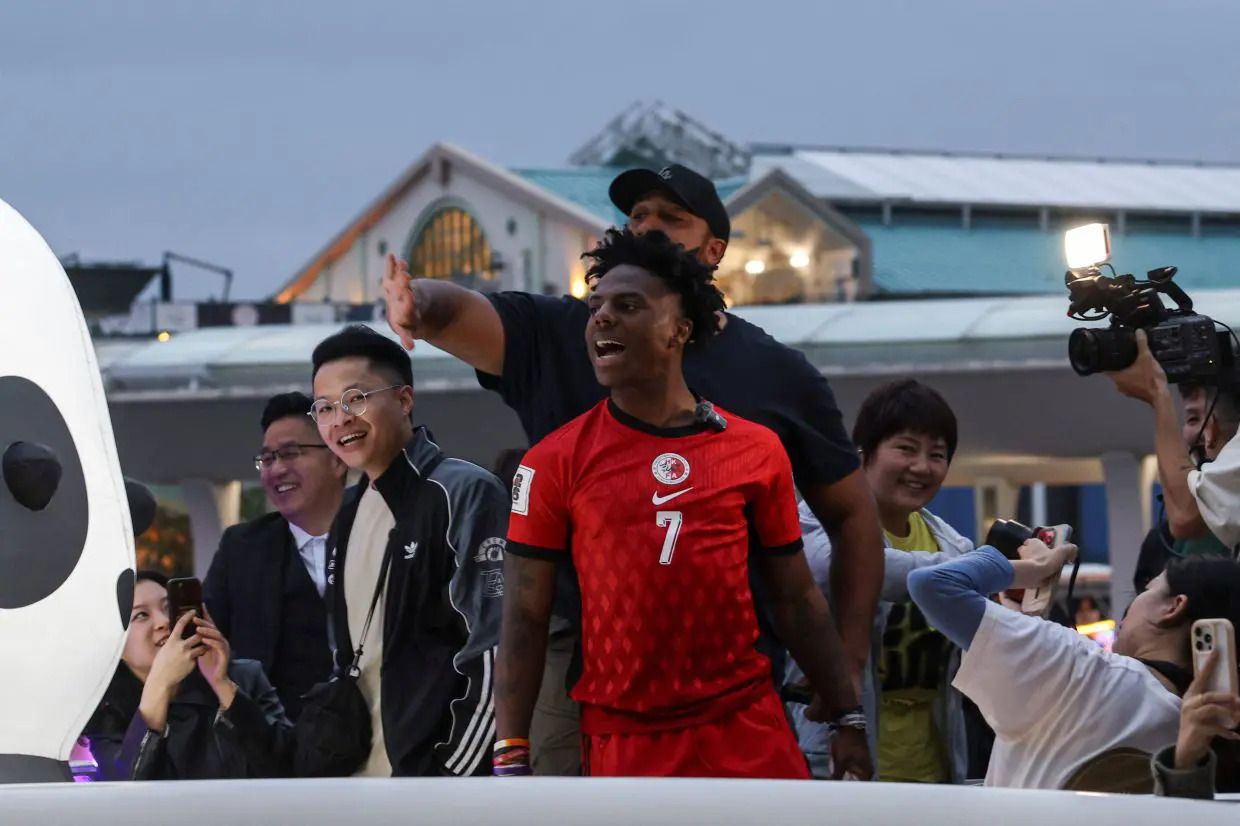
World football's governing body FIFA has initiated a formal investigation following allegations of racist abuse aimed at IShowSpeed, one of the world's most influential content creators, during last week's World Cup encounter between Argentina and Cape Verde in Miami. The development highlights persistent concerns about discriminatory conduct at major sporting events and the challenge of maintaining standards of conduct in the modern era of live streaming and social media amplification.
According to FIFA's statement released Tuesday on the social media platform X, the organisation became aware of the incident involving a supporter and the streamer at Miami Stadium on July 3, 2026, and moved swiftly to commence its investigative procedures. The football body's rapid response underscores the heightened sensitivity surrounding incidents of racism and discrimination, particularly at tournaments with global visibility and the involvement of high-profile personalities.
IShowSpeed, the stage name of Darren Watkins Jr, represents a new generation of sports engagement through digital platforms. The 21-year-old has cultivated an extraordinarily large following across multiple streaming services, commanding over 57 million subscribers on YouTube alone, with tens of millions of additional followers distributed across other video platforms. His presence at the World Cup reflects the evolution of sports media consumption, where traditional broadcasting partnerships now coexist with independent content creation and direct audience engagement through streaming.
The streamer's presence at the tournament operates under a formal arrangement between FIFA, the streaming platform YouTube, and Fox Sports, the established American broadcaster. This partnership arrangement demonstrates how international football's governing structures have adapted to accommodate digital-first audiences and younger demographics who consume sporting content through non-traditional channels. The agreement grants Watkins access to matches and the ability to produce live coverage for his substantial fanbase, creating a unique blend of official sanctioning and independent commentary.
FIFA's public condemnation of racism and discrimination in its statement carries particular weight given the organisation's historical struggles with addressing such issues across member nations. The statement's assertion that "FIFA strongly condemns racism, hate and discrimination in all forms" and that "these actions have no place in football, at the FIFA World Cup, or anywhere in society" reflects international standards, though the gap between stated policy and enforcement remains a persistent concern in the sport.
The incident targeting IShowSpeed represents part of a troubling pattern observed during the current tournament. Reports indicate the streamer encountered further racist abuse during Tuesday's match between Argentina and Egypt, when an Argentine supporter engaged in behaviour mimicking animal sounds directed at the creator. Such coordinated or repeated incidents suggest either organised antagonism or a broader climate permitting such conduct within stadium environments.
For Malaysia and Southeast Asian sports enthusiasts, the IShowSpeed case carries particular relevance given the region's growing engagement with international football and digital content consumption patterns mirroring those of younger Western audiences. The incident demonstrates that racism in sport remains a genuine concern capable of affecting even those with significant platform and prominence, and illustrates how World Cup venues and attendees maintain standards of conduct that fall short of stated organisational values.
The investigation's outcome will likely influence FIFA's enforcement approach toward fan conduct policies across remaining tournament matches. The visibility of IShowSpeed's case, amplified through his direct connection to millions of followers, ensures the incident receives sustained attention beyond traditional sports media coverage. This digital scrutiny may either prompt more aggressive intervention by stadium security and officials, or alternatively, create pressure for inconsistent application of conduct standards.
The broader context of racism in football remains deeply problematic across numerous confederations and national leagues. While major tournaments typically implement heightened security and monitoring protocols, individual incidents continue to occur with distressing regularity. The fact that such behaviour targets a high-profile digital creator attending under official sanction suggests that despite FIFA's stated commitments, stadium cultures in some nations have not adequately evolved to reject discriminatory conduct.
For content creators and digital personalities attending major sporting events, the IShowSpeed incidents highlight genuine physical and emotional risks associated with high-visibility attendance. His position as a bridge between traditional sports audiences and digital-native viewers makes him a notable figure, yet this prominence appears insufficient to prevent discriminatory targeting. The incidents raise questions about whether enhanced security protocols should apply to personalities with substantial social media followings who may attract particular antagonism.
Looking forward, FIFA faces pressure to demonstrate that its investigation produces meaningful consequences rather than perfunctory administrative gestures. The reputational stakes are considerable, given that the World Cup positions itself as a global celebration of sport and unity. Allowing racist abuse to proceed unchecked, particularly against officially-recognised content creators, undermines these aspirations and sends contradictory signals about the organisation's commitment to its stated values regarding inclusion and non-discrimination.

