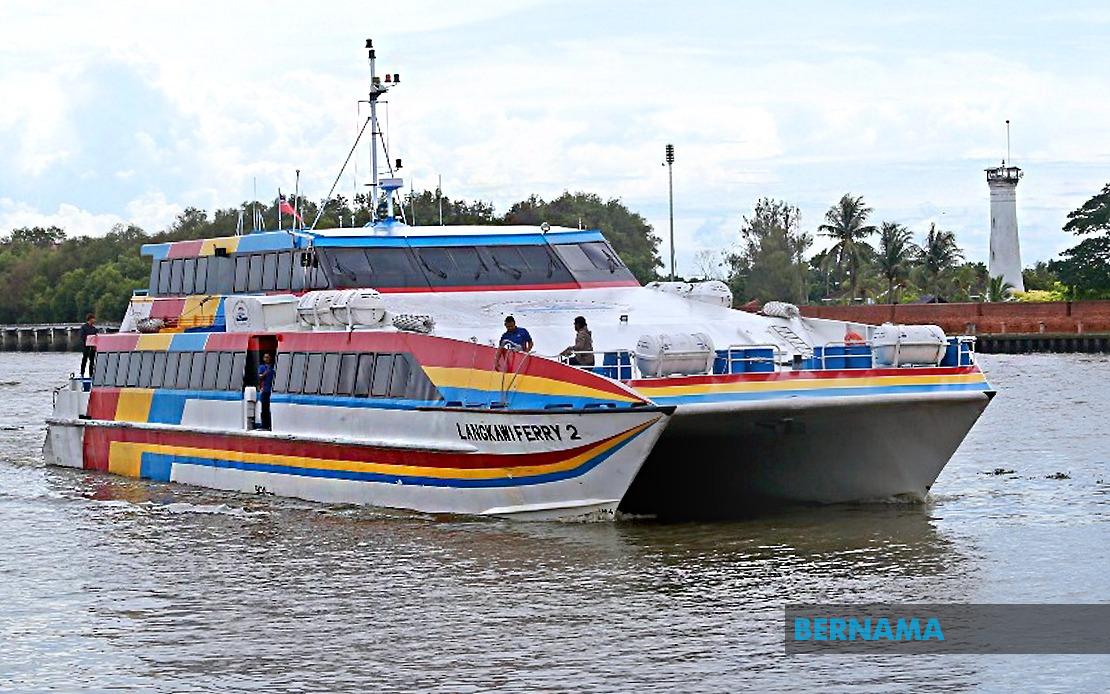
The maritime corridors connecting Langkawi to mainland Malaysia are facing an escalating operational challenge that could undermine both tourism and transport reliability. Ferry Line Ventures Sdn Bhd has raised the alarm over progressive silting in the shipping lanes at Kuala Kedah and Kuala Perlis, warning that without prompt intervention, the degradation threatens passenger safety and service continuity. The company's operations manager, Lieutenant Commander (Retired) Norhafiz Abdul Wahid, outlined the urgency of the situation in comments made during the school holiday season, a period when ferry traffic typically surges.
The core problem is straightforward yet consequential: as sediment accumulates on the seafloor, the navigable depth of these routes diminishes, creating hazards for the large passenger ferries that operate daily between the island and the Kedah and Perlis coasts. Ferries designed to carry substantial passenger loads require adequate water depth to manoeuvre safely and efficiently. When channels become shallower, operators must either reduce passenger capacity per trip, slow their transit speeds to manage risk, or face potential grounding incidents. Each of these outcomes degrades the service reliability that the tourism and transport sectors depend upon.
Langkawi's importance to Malaysia's tourism economy cannot be overstated. The island consistently ranks among the nation's premier destinations, drawing international and domestic visitors alike. The ferry services operating from Kuala Kedah and Kuala Perlis represent the primary gateway for land-based travellers accessing the island, making these maritime links absolutely critical to visitor flows. According to Ferry Line Ventures' operational records, the ferry network has demonstrated capacity to transport up to 25,000 tourists daily during peak season—a figure that underscores the scale of activity dependent on these routes.
The implications of service disruption extend beyond immediate inconvenience. The Langkawi International Maritime and Aerospace Exhibition (LIMA), scheduled for next year, represents a major international event that will draw significant visitor numbers and global attention to Malaysia. Degraded ferry services during this period would project an image of infrastructure neglect and operational unreliability at a moment when the nation is showcasing its capabilities. For the broader tourism sector, any perception that access to Langkawi is compromised would deter repeat visitation and affect booking patterns across the island's hospitality establishments.
The phenomenon of progressive silting in these waterways is not unusual for tropical maritime environments, where heavy rainfall and coastal dynamics naturally transport sediment into navigation channels. However, the accumulated effect requires systematic maintenance through dredging—a routine but essential operation that demands ongoing budget allocation and scheduling. Ferry Line Ventures is advocating for comprehensive and periodic dredging works that would establish a sustainable maintenance regime rather than reactive, emergency interventions. This proactive approach would ensure consistent water depths across all seasons and operational conditions.
The current operational demands illustrate why this maintenance is urgent. During the school holiday period extending from late August through early September, coupled with National Day celebrations, Ferry Line Ventures scheduled 176 regular ferry trips plus an additional 66 services to accommodate elevated passenger demand. The company projected approximately 90,000 passengers would utilise the two main routes—Langkawi-Kuala Perlis-Langkawi and Langkawi-Kuala Kedah-Langkawi—during this concentrated travel window. With 86,978 tickets already sold through online channels, counters, and reservations as of the time of this statement, the scale of movement through these corridors during peak periods becomes evident.
Ferry Line Ventures has responded to anticipated congestion by promoting advance online ticketing through the Cuti-Cuti Langkawi application, urging travellers to purchase tickets before arrival to manage expectations and streamline boarding processes. However, such measures address operational management rather than the underlying maritime infrastructure problem. No amount of scheduling optimisation can compensate for shipping lanes that have become too shallow for safe vessel operation.
For Malaysian readers and policymakers, this situation represents a case study in the hidden infrastructure demands that underpin tourism competitiveness and regional connectivity. The Straits of Malacca region, of which these Langkawi approaches form a part, carries enormous maritime traffic. The ferry routes specifically serve the growing middle-class tourism market within Southeast Asia—a demographic that increasingly prioritises convenience and reliability when selecting destinations. Countries competing for this tourism market segment, including Thailand and Indonesia, maintain their port and channel infrastructure meticulously precisely because they understand the connection between maritime reliability and visitor satisfaction.
The federal government's response to this appeal will signal its commitment to preserving Malaysia's tourism infrastructure competitiveness. Dredging is not glamorous infrastructure, but it represents the kind of routine maintenance that separates well-managed maritime nations from those experiencing gradual erosion of service quality. The cost of periodic dredging is modest compared to the economic value generated by the 25,000 daily tourists that these ferries can transport, making the investment a straightforward economic calculation.
Moreover, the timing of this appeal—issued during peak travel season when the routes' capacity is being tested—demonstrates that the silting problem has reached a point where operational impacts are becoming tangible. Early intervention now prevents a situation where ferry services might need to impose capacity restrictions or schedule reductions that would damage Langkawi's tourism positioning and frustrate travellers planning visits around school holidays and national celebrations. The maritime infrastructure enabling Malaysia's island tourism must function seamlessly to remain competitive within an increasingly crowded regional market.

