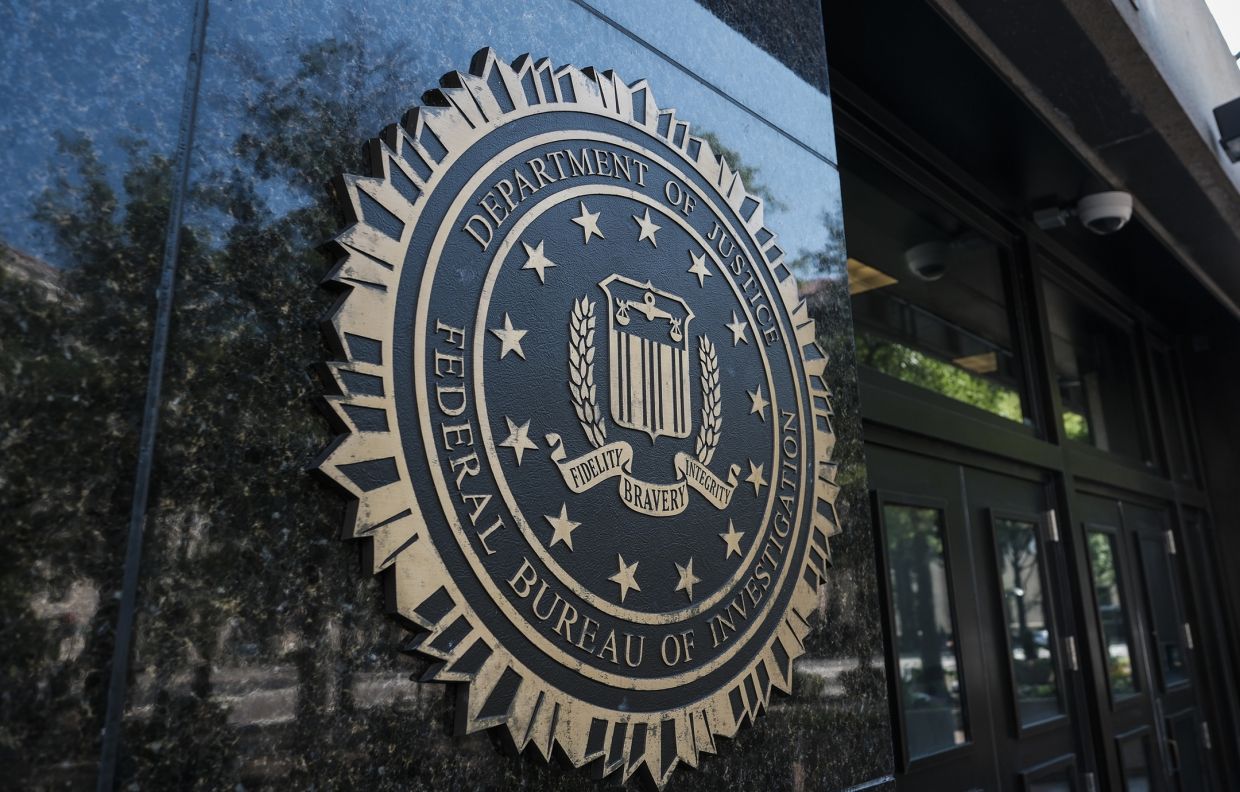
A senior FBI agent working in Washington has admitted to taking cryptocurrency from evidence gathered during a criminal investigation, according to court documents that reveal an extraordinary breach of trust within the agency's ranks. Patrick Yaroch, a supervisory agent, voluntarily disclosed his misconduct to a Justice Department official, explaining that the guilt had become unbearable and that he needed to unburden himself of the secret. The confession marked an unusual moment of conscience that ultimately led to his undoing, as authorities moved swiftly to arrest him before he could fully cooperate with investigators.
The circumstances surrounding Yaroch's theft paint a picture of an agent under severe psychological and financial strain. He obtained access to cryptocurrency seized from a suspect during an FBI investigation and made multiple unauthorised withdrawals over a period of several months beginning in late 2024 or early 2025. Using a security passphrase that the bureau had legitimately obtained as part of its investigative work, Yaroch executed between ten and twelve separate withdrawals from the account. When investigators examined his own crypto wallet where the funds had been deposited, they discovered approximately one million dollars—a sum that dwarfed Yaroch's initial claim that he had taken less than that amount.
Yaroch's motivation appears rooted in frustration with institutional constraints and personal desperation. According to charging documents, the agent told colleagues that he had been "spinning out of control" and expressed deep dissatisfaction with what he perceived as the FBI's inability or unwillingness to take action against cryptocurrency accounts controlled by adversaries. This frustration, combined with his apparent financial ambitions, created the conditions for his criminal behaviour. The agent's communications with artificial intelligence platforms reveal the extent of his financial aspirations: in May, he asked ChatGPT for investment advice on deploying one million dollars with the explicit goal of retiring by age forty and eventually establishing a vineyard or agricultural property in Mediterranean locations such as Cilento, Italy, or Portugal's Dao wine region.
The investigation proceeded with remarkable speed once Yaroch's confession became known. Rather than allowing the agent to consult with legal counsel and continue his stated cooperation with authorities, FBI officials moved to search his residence and execute an arrest over a weekend period. This aggressive timeline suggests that despite Yaroch's apparent willingness to cooperate further—he had indicated his intention to speak with investigators again on August 3rd following a consultation with a lawyer—the agency determined that detention was necessary. The decision underscores the seriousness with which the bureau treats breaches by its own personnel, particularly those involving the theft of seized assets.
Curiously, Yaroch has not yet faced formal charges specifically related to the theft of cryptocurrency itself, a gap that likely reflects the rapid pace of the investigation rather than any hesitation on the part of prosecutors. Instead, charging documents focus on possession of stolen property, a charge that carries significant penalties but may ultimately prove to be the opening salvo in a more comprehensive prosecution. Court records have not yet revealed whether Yaroch has retained legal representation, a notable absence given the gravity of his situation and the complexity of defending cryptocurrency-related charges.
This case carries troubling implications for the FBI's internal security protocols and oversight mechanisms. The agency's investigations into cryptocurrency-related crimes have expanded substantially in recent years as digital assets have become increasingly central to both legitimate commerce and criminal enterprise. The revelation that a supervisory agent could access seized digital assets with relative ease, make multiple unauthorized withdrawals, and maintain the diversions for months before disclosure raises questions about the custodial procedures governing such evidence. The fact that Yaroch possessed the technical knowledge and the psychological willingness to exploit his access suggests that other agents with similar skills and motivations might represent undetected vulnerabilities within the system.
For Malaysian and broader Southeast Asian observers, this incident illuminates the challenges that law enforcement agencies throughout the region face as they grapple with cryptocurrency crime. Many countries in the area have struggled to develop coherent regulatory frameworks and investigative capabilities to address digital asset-related offences. The Yaroch case demonstrates that even in the United States, where the FBI possesses substantial resources and sophisticated technical expertise, the combination of institutional limitations and individual moral failings can compromise investigative integrity. Agencies throughout Asia-Pacific that are still building their cryptocurrency enforcement capabilities must remain alert to the insider threat dimension that extends beyond external criminal actors.
The broader context of Yaroch's actions reflects evolving attitudes toward cryptocurrency and wealth accumulation among segments of American society. His aspiration to retire before age forty through strategic investment and subsequently establish an agricultural lifestyle in Europe represents a lifestyle aspiration that has become increasingly common, particularly among younger professionals seeking alternatives to conventional career paths. The irony that Yaroch pursued this goal through criminal means rather than lawful investment strategies underscores the psychological dynamics that can drive otherwise accomplished professionals toward misconduct when institutional and personal pressures intersect.
As this case proceeds through the criminal justice system, it will likely prompt extensive internal reviews within the FBI regarding evidence handling procedures, access controls for seized digital assets, and supervisory oversight mechanisms designed to detect anomalous behaviour among personnel with access to high-value seized property. The agency's response to this internal breach will signal its commitment to accountability and institutional integrity at a moment when public confidence in law enforcement institutions faces sustained scrutiny. The incident also serves as a cautionary reminder that technological sophistication alone provides insufficient safeguard against human vulnerability and that the most effective security architectures must account for the possibility that authorised users may become threats to the systems they are trusted to protect.

