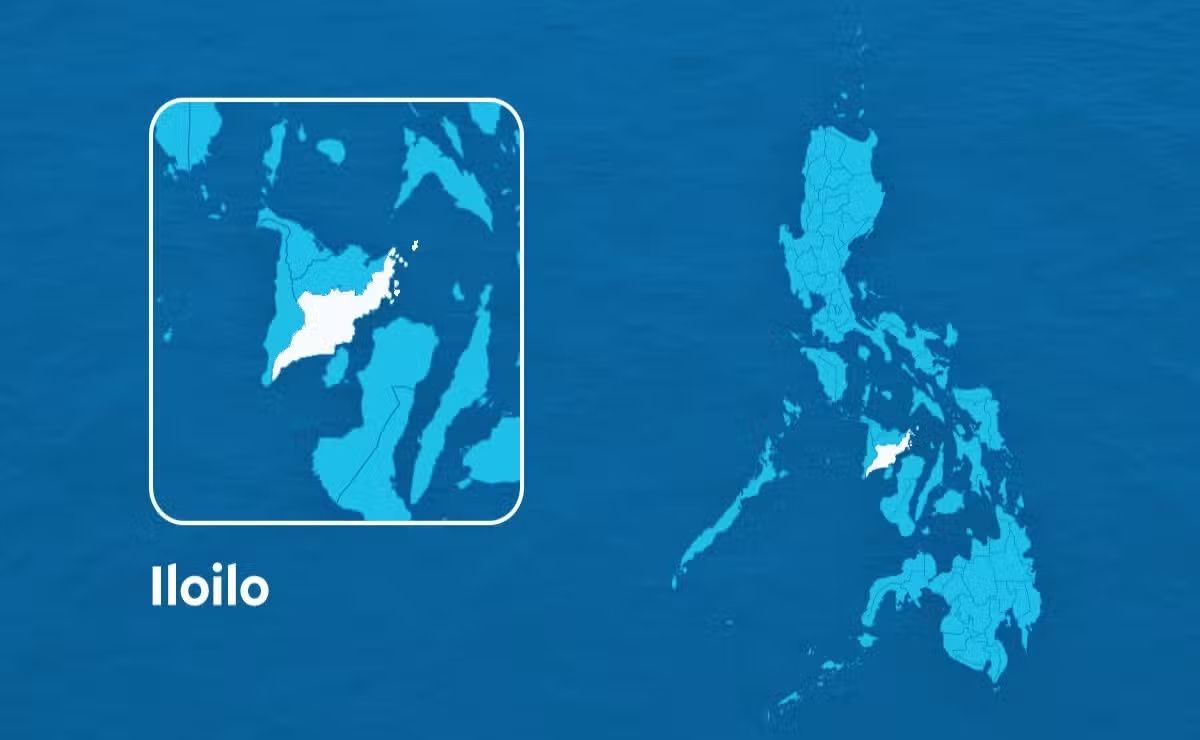
Rey Grabato II, a businessman from Iloilo in the Philippines, has been located in his home province following his recent placement on the FBI's Most Wanted Fraudsters list. The development was confirmed by his father, Mina Rey Grabato, who serves as mayor of Iloilo town, on Friday, August 14. The family's acknowledgment comes as law enforcement circles worldwide intensify scrutiny on the case, which carries serious implications for understanding transnational financial crime networks operating across Southeast Asia and beyond.
The FBI formally added Grabato II to its Most Wanted list on Thursday, August 13, Philippine time, citing charges related to conspiracy to commit securities fraud, securities fraud, conspiracy to commit wire fraud, wire fraud, and conspiracy to defraud the United States with respect to tax matters. These allegations suggest a complex scheme involving multiple layers of fraudulent activity spanning the securities markets and potentially affecting American taxpayers and investors. The breadth of charges indicates federal investigators have assembled evidence pointing to systematic rather than isolated misconduct.
While the elder Grabato confirmed his son's presence in Iloilo, he provided minimal detail about the circumstances or his son's cooperation with authorities. The reluctance to elaborate publicly is understandable given the sensitive nature of the allegations and their potential impact on the family's standing in their provincial community. However, such circumspection has fuelled speculation about whether Grabato II intends to contest the charges, seek a diplomatic resolution, or submit to extradition proceedings.
Critically, the family released a statement through Christopher Rey Grabato, Rey II's youngest brother, emphasizing that neither the accused businessman nor any authorized representatives have formally received official notice or summons from Philippine or American authorities. This assertion carries legal weight, as it suggests that while Grabato II faces serious federal charges, the formal machinery for his apprehension and prosecution has not yet fully engaged. The absence of formal notification is notable given his public identification and location.
The family has anchored much of its public defense on Rey II's severe medical condition. According to Christopher Rey's statement issued Friday evening, his older brother experienced a debilitating stroke that has left him partially paralyzed with significant limitations affecting mobility, communication, and cognitive functioning. The family characterizes his ongoing medical care, rehabilitation, and wellbeing as their immediate priority, implicitly suggesting that his current health status may complicate any legal proceedings or extradition efforts.
This medical dimension adds a substantial complication to what would otherwise be a straightforward white-collar criminal matter. International law and Philippine legal tradition both consider health conditions when addressing extradition requests or pursuing prosecutions. A defendant unable to effectively communicate or participate in their defense raises procedural and ethical questions that courts must weigh carefully. The timing and veracity of these health claims may ultimately become contested points in any formal legal proceedings.
The family has sought to contextualize Rey II's role within the National Realty Investment Advisors (NRIA), the organization at the center of the controversy. Christopher Rey cited characterizations from Barron's, the financial publication owned by Dow Jones & Company, and statements allegedly made by federal prosecutors describing Grabato's leadership position as "titular" rather than substantive. This distinction carries significance—if true, it could suggest that Rey II may have held an official title while decision-making authority and operational control rested elsewhere within the organization's hierarchy.
Crucially, the family has pointed to Thomas Nicholas Salzano as the actual driving force behind NRIA's governance and operations. According to the family's account, Salzano already faces apprehension by federal authorities, having been taken into custody previously. This framing attempts to diminish Rey II's culpability by suggesting he occupied a figurehead position within an organization controlled by someone who has already engaged the American justice system.
The positioning of Rey II as a lesser player in a larger fraud scheme mirrors a common defense strategy in complex financial crimes, where defendants attempt to distinguish between nominal authority and actual decision-making power. However, federal prosecutors typically construct charges against multiple defendants based on evidence of their specific participation, knowledge, and intent, suggesting that investigators have identified ways in which Rey II's actions directly facilitated the alleged frauds rather than merely executing instructions from superiors.
For Southeast Asian observers, this case illustrates the persistent vulnerability of the region's financial networks to organized fraud schemes with international reach. The involvement of American securities markets and tax implications suggests that perpetrators exploited cross-border financial flows and regulatory gaps. The fact that a major financial crime allegedly originated from or involved significant Philippine connections underscores ongoing concerns about financial sector oversight and the region's role in transnational economic crimes.
The family's measured but defensive posture indicates they are preparing for a protracted legal engagement. Their emphasis on Rey II's medical condition, their assertion that no formal notice has been received, and their attempt to minimize his organizational role all suggest preparation for a defense centered on either contesting the charges or negotiating their resolution. The plea for "public understanding" reflects awareness that high-profile financial crime allegations carry reputational consequences that extend well beyond courtroom outcomes.
As the situation develops, the Philippines faces potential pressure to cooperate with American authorities regarding Grabato II's location and status. Bilateral extradition arrangements between the two nations exist, though health considerations could complicate any formal requests. The coming weeks will likely see whether Philippine law enforcement moves to apprehend Grabato II, whether American authorities file formal extradition requests, and whether the family pursues medical grounds for delaying any proceedings. The resolution will have implications for understanding how Southeast Asian nations balance domestic concerns with international law enforcement cooperation on financial crimes.

