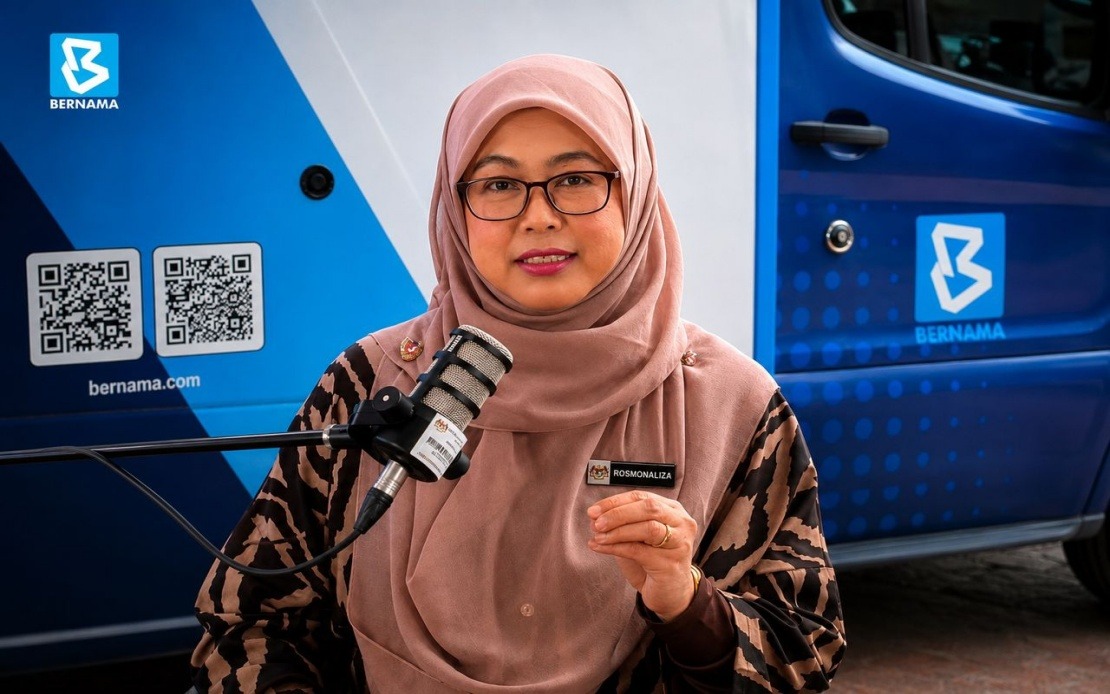
The traditional breadwinner model of fatherhood is becoming increasingly obsolete in modern Malaysia, according to the National Population and Family Development Board (LPPKN), which has called for a significant shift in how fathers engage with their families. Speaking on a recent podcast discussing family dynamics and well-being, Rosmonaliza Abdul Ghani, director of LPPKN's Family Well-being Division, highlighted the necessity for fathers to evolve alongside contemporary social and economic changes, taking on roles that extend well beyond merely providing financial sustenance to their households.
This broader conception of paternal involvement recognises that contemporary family structures and lifestyle patterns demand a more multifaceted approach to parenting. The shift reflects a global understanding that children's development—encompassing emotional health, psychological resilience, academic achievement, and social competence—depends significantly on active father engagement. Rosmonaliza emphasised that fathers now function as agents of change within their families, fundamentally shaping the character and stability of household institutions. This reconceptualisation positions fatherhood as central to fostering harmonious relationships and building families capable of weathering life's inevitable challenges.
Effective communication stands as a cornerstone of this evolved paternal role. Rather than maintaining emotional distance or delegating all childcare responsibilities to mothers, fathers must engage in meaningful dialogue with their children and spouses. This requires vulnerability and openness—qualities that traditional masculinity often discouraged but which contemporary family psychology recognises as essential. By actively listening to their children's concerns, sharing their own experiences, and creating space for honest conversation, fathers can help their families navigate the complexities of modern life and build trust across generational lines.
The emotional support dimension of fatherhood has gained particular prominence in recent years. Many Malaysian families face significant stressors—financial pressures, employment instability, housing costs, and the psychological toll of rapid social change. When fathers retreat into silence or self-isolation, attempting to shoulder these burdens alone, they deprive their families of crucial emotional resources and model unhealthy coping mechanisms. Rosmonaliza noted that increased numbers of men are now seeking professional counselling, both individually and within family settings, signalling a cultural shift toward recognising that seeking help represents strength rather than weakness.
LPPKN has positioned itself as a key institutional resource for families navigating these transitions. The board offers comprehensive support including counselling services, therapeutic interventions, and personality assessments specifically tailored to help fathers manage financial strain, mental health concerns, and other life stressors. By providing what Rosmonaliza described as a safe, non-judgmental space for fathers to articulate their struggles, LPPKN attempts to prevent the isolation that often precedes family breakdown. This proactive approach recognises that supporting fathers ultimately strengthens the entire family unit.
The connection between absent or disengaged father figures and broader social pathology emerged prominently in discussions drawing on frontline experience with vulnerable communities. Those working with urban poor populations and street children consistently observe that family fragmentation—often centred on the absence of an active paternal presence—correlates strongly with subsequent social problems including substance abuse, delinquency, and perpetuation of poverty cycles. When fathers are absent through choice or circumstance, children lose not only financial security but also crucial guidance, role modelling, and emotional anchoring during formative years.
Addressing paternal disengagement requires nuance and compassion rather than moral condemnation. Those working with struggling fathers observe that many carry substantial psychological burdens—bruised pride, shame over financial inadequacy, unresolved trauma, or untreated mental health conditions. Heavy-handed or punitive approaches typically entrench resistance and defensive posturing. Instead, interventions rooted in religious values, family principles, and genuine respect for dignity can help men recognise and reclaim their potential as responsible household leaders. This approach acknowledges that transformation occurs through understanding and support rather than judgment.
The reciprocal nature of family emotional labour deserves equal emphasis. While fathers must increase their involvement and emotional availability, spouses and children play vital roles in supporting fathers through their own difficulties. Children often underestimate or take for granted their fathers' sacrifices, deferring appreciation until it is too late for meaningful expression. Conversely, fathers sometimes prioritise material provision over time investment, failing to recognise that children value presence far more than possessions. Rosmonaliza advocated for families to cultivate mutual appreciation and ensure quality time together becomes a genuine priority rather than a residual activity after work obligations.
The educational dimension of paternal involvement extends beyond financial support for schooling fees and uniforms. Active father participation in children's learning—whether through homework assistance, discussing school experiences, attending parent-teacher meetings, or simply demonstrating the value of intellectual curiosity—significantly impacts academic outcomes and children's self-perception as learners. Fathers who engage substantively in education signal to their children that learning matters and that their intellectual development deserves paternal attention and investment.
For Malaysian families specifically, these recommendations arrive amid rapid social transformation. Urbanisation, economic pressures, changing gender roles, and exposure to diverse family models are reshaping traditional expectations around fatherhood. The advice from LPPKN suggests that maintaining rigid, outdated paternal roles—detached, authoritarian, financially focused—may actually undermine family cohesion and child welfare rather than protect them. Instead, an adaptive approach that incorporates emotional availability, engaged parenting, and active participation in children's holistic development offers a more robust foundation for family resilience.
The institutional support offered by LPPKN and similar organisations provides crucial scaffolding for this transition. Men accustomed to internalising problems and managing difficulties in isolation may require external encouragement and professional guidance to develop communication skills, emotional literacy, and healthier coping mechanisms. By normalising help-seeking and positioning counselling as a resource for ordinary men facing ordinary challenges, LPPKN works to destigmatise vulnerability and create pathways for transformation.
Ultimately, the case for expanded paternal involvement rests on straightforward recognition that children flourish when they experience consistent emotional connection with both parents. This principle transcends ideology or cultural tradition—it reflects developmental psychology and the lived experience of families across Malaysia and beyond. The challenge lies in translating this understanding into genuine behavioural change across society, requiring both individual fathers' commitment and systemic support through accessible counselling, family education programmes, and cultural messaging that celebrates emotionally engaged fatherhood as a contemporary ideal.

