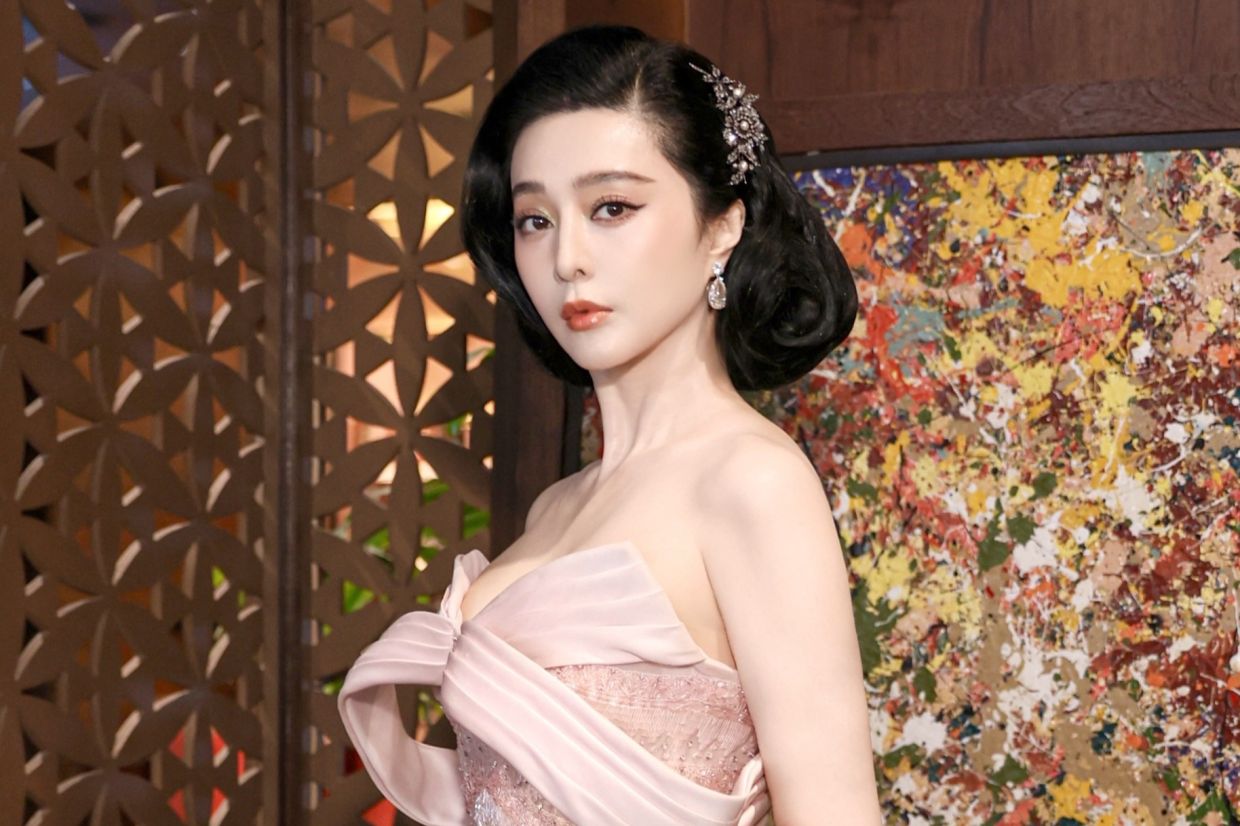
Chinese actress Fan Bingbing has captured public affection through a series of unscripted moments of empathy during a promotional engagement in Bangkok, where her attentiveness toward those around her—from event staff to members of the press—has generated considerable online momentum and established a more human dimension to her public persona.
The 44-year-old star's reputation for graciousness crystallized during an interview session when she observed her translator struggling visibly with anxiety after losing her place in the conversation. Rather than permitting the awkward silence to persist, Fan responded with an embrace and a reassuring touch to the head, coupled with words of encouragement that immediately diffused the tension. The interaction, captured on video and circulated across social media platforms, resonated with audiences who appreciated the unforced nature of her compassion and her willingness to prioritize the wellbeing of those supporting her appearance.
Another incident during the same engagement further reinforced her emerging image as genuinely considerate. When Fan observed a journalist visibly struggling with Bangkok's oppressive heat, she promptly handed over a tissue without fanfare or expectation of recognition. This gesture, seemingly minor in isolation, gained significance precisely because it appeared spontaneous and untethered to any promotional objective. Observers noted that such attentiveness is hardly universal among celebrities attending high-profile events, where attention typically remains fixed on the figure in the spotlight rather than extending to those facilitating the proceedings.
The accumulation of these moments has prompted Chinese netizens and international commentators to describe Fan as a "warm-hearted queen," terminology that reflects a broader appreciation for celebrity comportment that transcends professional obligation. In an era where much interaction between public figures and their audiences is carefully choreographed, these unguarded interactions carry disproportionate weight precisely because they appear genuine and unstaged. The contrast between the manufactured warmth typical of promotional tours and Fan's apparent authentic consideration has generated discussion about the nature of celebrity accessibility and the possibility of genuine human connection within the entertainment industry's structural constraints.
Fan's visit to Thailand serves a dual purpose beyond garnering positive publicity. The actress is spearheading her skincare brand's expansion into Southeast Asian markets, recognizing the region's growing consumer appetite for premium cosmetics and beauty products. Her physical presence at multiple Bangkok locations—signing autographs, engaging with crowds, and inaugurating a flagship retail space—represents a strategic business decision to establish personal connection with emerging consumer bases in territories where brand recognition may be less consolidated than in her home market.
The actress's appearance at the Bangkok flagship store opening generated additional attention for her sartorial choices, particularly her selection of a provocatively cut garment that emphasized her physique. While some observers critiqued the outfit as attention-seeking, others contextualized the choice within the framework of brand positioning, suggesting that visual memorability remains a component of promotional efficacy in the competitive beauty product marketplace, particularly in markets where Western and Asian aesthetic standards intersect and interact.
Beyond the immediate publicity generated by her visible kindness and striking appearance, Fan offered substantive reflection on her evolving relationship with her acting career during quieter moments of the Bangkok engagement. She articulated a conscious shift toward selectivity in professional commitments, acknowledging that the intensive production schedules that characterized her earlier career—which once demanded simultaneous work on nine feature films annually—no longer align with her current priorities or physical capacity. This recalibration reflects not only the natural aging process that all performers navigate but also a deliberate philosophical realignment toward quality over quantity in professional engagement.
Fan's comments regarding her decision to limit herself to a single film annually represent a significant statement about power dynamics within the entertainment industry, where actors—particularly female performers—often face relentless pressure to maintain visibility through constant productivity. Her assertion that she can be selective about scripts and choose projects aligned with her evolving artistic sensibilities demonstrates the autonomy that comes with established stardom and financial security. The willingness to cede market share and reduce visibility in service of meaningful artistic choice distinguishes her approach from performers who feel compelled to accept any available opportunity.
The actress's reflection on her personal life—remarking with humor that her fans would not permit retirement and joking that marriage remained similarly off-limits—revealed the complex negotiation between public expectation and private autonomy that accompanies sustained fame. Her framing of these limitations as subject for gentle self-mockery rather than resentment suggests a degree of acceptance regarding the ongoing relationship between celebrity and audience that extends into domains conventionally understood as entirely personal. The comment also illuminates how deeply invested her fanbase appears in her continued presence in entertainment, viewing her potential withdrawal from public life as a loss rather than respecting it as a legitimate personal choice.
What ultimately distinguished Fan's Bangkok visit from countless other celebrity promotional tours was not the professional accomplishment of brand expansion or the aesthetic spectacle of high-profile retail activation, but rather the accumulation of candid interactions that humanized her within the elaborate theatrical apparatus of contemporary celebrity marketing. In environments where performers are typically shielded from genuine spontaneity by layers of professional handlers and predetermined messaging, the appearance of unscripted kindness—however carefully it may have ultimately been managed—provides audiences with reassurance that personhood persists beneath the constructed public identity. This capacity to project authenticity, whether genuine or expertly performed, has become increasingly valuable as consumers and observers grow more skeptical of polished marketing and more hungry for evidence of human dimension beneath celebrity veneer.
For Southeast Asian audiences particularly, Fan's Bangkok appearance carries significance beyond individual gestures of kindness or skincare product promotion. The visit represents sustained engagement by major Chinese entertainment figures with regional markets that are increasingly viewed as important consumer territories and cultural centers in their own right, rather than peripheral markets requiring extraction of value without reciprocal investment. Fan's willingness to spend extended time in Bangkok, engage meaningfully with local media and crowds, and position Thailand as a significant market for her brand expansion signals shifting economic and cultural alignments within Asia that merit attention from observers tracking entertainment industry trends and regional power dynamics.

