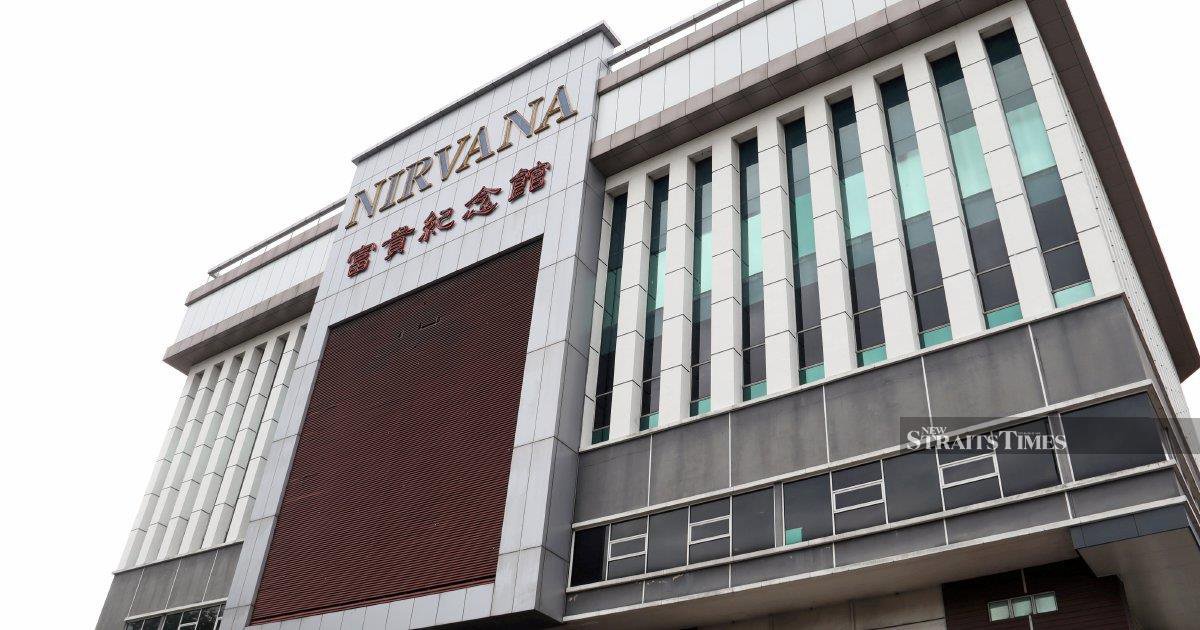
A grieving family in Shah Alam has initiated legal proceedings against Nirvana Memorial Park (Shah Alam) Sdn Bhd following the disappearance of two urns holding the cremated remains of their parents from the facility's columbarium. The family alleges that the memorial park's management failed in its duty of care, raising serious questions about security protocols and asset protection standards at such culturally significant facilities across Malaysia.
The incident, which occurred in January, represents more than a simple loss of property—it touches on deeply personal and spiritual matters central to Malaysian family traditions. The alleged theft of cremated remains from a secure facility strikes at the heart of concerns about whether families can trust established institutions with their most sacred responsibilities. For many Malaysian families, particularly those observing Buddhist, Taoist, and other practices involving cremation, a columbarium represents a permanent resting place where they can pay respects and maintain spiritual connections with deceased loved ones.
Memorial parks and cremation facilities operate under a specific duty of care toward their clientele. These establishments receive significant fees for their services and, in return, must maintain adequate security measures, trained staff, and systematic procedures to safeguard the remains entrusted to them. The circumstances surrounding the January theft at Nirvana Memorial Park's Shah Alam location suggest that existing security infrastructure at the facility may have been inadequate, whether through gaps in surveillance coverage, insufficient access controls, or deficiencies in staff accountability.
The lawsuit appears to hinge on negligence claims rather than direct contractual breach alone, suggesting the family's legal team is pursuing a broader argument about the park's fundamental failure to provide a safe environment for stored remains. This distinction matters significantly in Malaysian tort law, as negligence claims require proving that the facility owed a duty of care, breached that duty, and caused damage as a result. Given the commercial relationship between families and memorial parks, courts would likely find such a duty existed.
This case emerges amid broader concerns about security standards across Malaysia's funeral and memorial services industry. While regulations govern funeral homes and crematoriums, the specific oversight of columbarium facilities and security protocols appears less uniformly enforced. Families selecting memorial parks often have limited ways to verify security credentials or inspect facilities thoroughly before entrusting their loved ones' remains to institutional care. The incident at Nirvana Memorial Park could prompt other families to reassess their current arrangements and push industry bodies toward establishing clearer security benchmarks.
The emotional and spiritual dimensions of this loss extend beyond what monetary compensation could address. For Malaysian families, disruption of funeral rites and separation from the remains of deceased parents represents a profound breach of cultural and religious obligations. Many Malaysian Buddhist and Taoist families view regular visits to columbaria as essential to maintaining ancestral relationships and fulfilling filial duties. The alleged theft consequently affects not just the immediate family involved but potentially multiple generations' ability to conduct spiritual practices.
Nirvana Memorial Park operates multiple facilities across Malaysia and holds a significant position within the cremation and memorial services market. As an established operator, the company carries heightened responsibility for maintaining professional standards. Any security failures at a major facility could have ripple effects across the industry, prompting regulatory review and potentially triggering audits or inspections at other locations. Insurance and liability considerations will likely feature prominently in how the company responds to these allegations.
The timing of the theft in January and the subsequent filing of the lawsuit suggests the family engaged in attempts to resolve the matter before escalating to litigation. Such delays are common in cases involving institutional failures, as families often try to negotiate with management before committing to protracted legal proceedings. The decision to pursue formal legal action indicates that preliminary resolution efforts proved unsuccessful, suggesting either inadequate compensation offers from the memorial park or fundamental disagreements over responsibility and accountability.
Beyond the immediate legal dispute, this case raises systemic questions about how Malaysia regulates the deathcare industry. The Ministry of Health oversees crematoriums and funeral businesses through various licensing requirements, yet columbarium management and security standards are not uniformly standardized across the country. Unlike Singapore, which maintains detailed requirements for cremation facilities through its Ministry of Health, Malaysia's regulatory framework leaves substantial discretion to individual operators. This lawsuit may catalyze calls for more comprehensive national guidelines establishing minimum security, insurance, and record-keeping standards for memorial parks handling cremated remains.
The family's legal standing is strengthened by Malaysia's established jurisprudence recognizing the special status of human remains in law. Courts have previously acknowledged that even cremated remains warrant legal protection and that institutions holding such remains owe enforceable duties to families. The case may ultimately establish precedent regarding liability standards for columbarium facilities, potentially requiring industry-wide upgrades to security infrastructure and procedural accountability.
Resolution of this dispute could reshape how memorial parks market their services and structure customer relationships. Families may increasingly demand security certifications, insurance verification, and detailed inventory documentation before committing to long-term arrangements. For Nirvana Memorial Park, the lawsuit represents an immediate operational and reputational challenge, but the broader implications extend to the entire Malaysian funeral services sector, which serves diverse cultural and religious communities across the country.

