The family of Mohd Fakhrul Munir Mohd Isa, a 44-year-old member of the Malaysian Fire and Rescue Department's elite special forces unit, is clinging to hope following his disappearance in the wake of devastating flash floods and landslides that swept through Nepal's Rasuwa district. The experienced firefighter and accomplished climber, known professionally as Loe, remains uncontactable as rescue efforts continue in the mountainous terrain, leaving his loved ones in a state of anxious waiting while praying for his safe recovery.
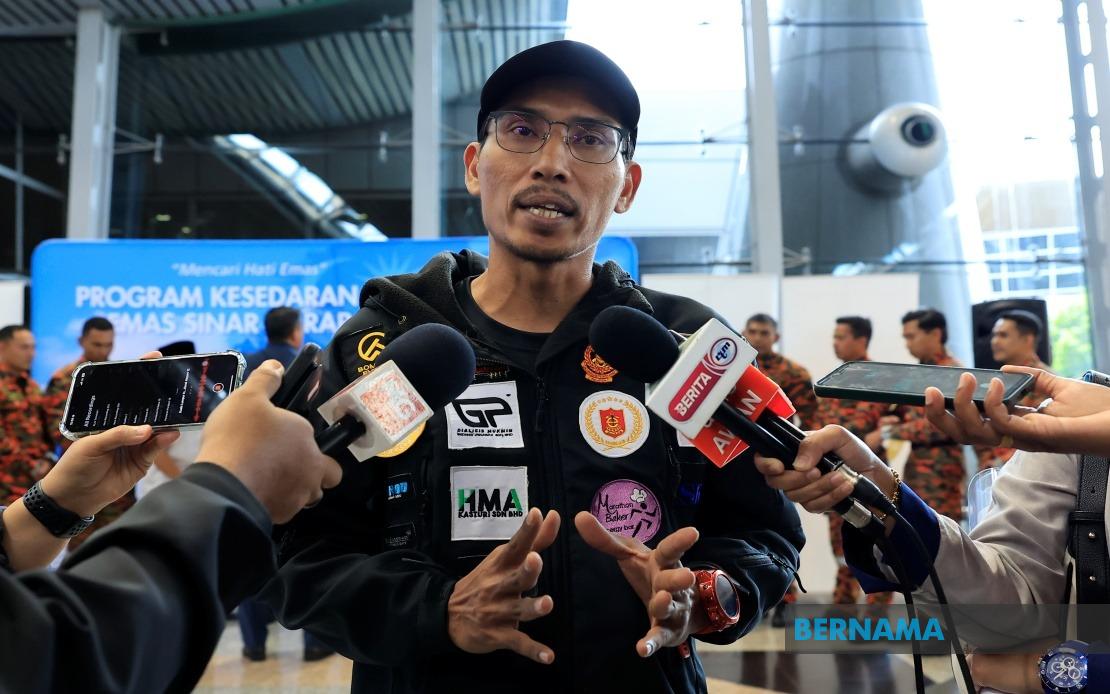
Mohd Saiful Munir Mohd Isa, Mohd Fakhrul Munir's 46-year-old brother and an operations officer at the Port Klang Fire and Rescue Station, addressed media in Sik with a message of cautious optimism tempered by realistic acceptance of the circumstances. The family has consciously adopted a positive outlook, attributing the communication blackout to the natural disaster that has isolated the entire region rather than assuming the worst. Yet Mohd Saiful Munir acknowledged the family's readiness to face whatever outcome may emerge, demonstrating the emotional preparedness necessary during such harrowing uncertainties.
The extended family has maintained an unwavering prayer vigil, fervently appealing for Loe and his fellow trekkers to be discovered unharmed as soon as possible. This spiritual approach provides the family with both comfort and a sense of agency during a period when practical intervention remains limited. The strength drawn from faith appears to be sustaining them through each passing day of uncertainty, transforming their anxiety into a collective hope that transcends the physical distance separating Malaysia from the disaster zone.
Mohd Saiful Munir characterised his brother's Nepal expedition as entirely consistent with his deeply rooted passion for mountaineering and high-altitude exploration. The professional climber has become intimately familiar with Nepal's dramatic landscape through repeated visits, having made between three and five journeys to the country annually. This regularity suggests Loe possessed extensive knowledge of the terrain and appropriate experience for mountain trekking, though such expertise provides limited protection against sudden natural disasters of the magnitude that struck Rasuwa.
Beyond mountaineering, Loe maintains an active lifestyle encompassing competitive cycling, reflecting a broader commitment to physical pursuits and outdoor adventure. This dedication to athletic endeavours has become central to his identity both within his family and professional circles. The brother's willingness to discuss these personal interests reveals how the family remembers Loe—not merely as a missing person, but as a dynamic individual whose adventurous spirit defines his character.
Mohd Saiful Munir recalled his last conversation with his brother occurring approximately one week prior to the Nepal expedition's departure. This relatively recent contact offered no indication of impending danger, representing the ordinary farewell between family members with one embarking on a planned adventure. The brother's memory of this interaction now carries heightened poignancy, as it may constitute their final exchange before the catastrophic events in Rasuwa unfolded.
Based on the planned trekking route documented before departure, Mohd Saiful Munir deduced that Loe's group occupied the valley area when the flash floods and landslides materialized. This geographical assessment frames the disaster not as mere bad fortune but as a situational entrapment—the party found themselves in a location where they became physically isolated and unable to transmit emergency communications. Interpreting the situation through this lens allows the family to contextualize the disappearance as a temporary separation rather than an immediate catastrophe, maintaining space for optimism regarding rescue possibilities.
The Malaysian Fire and Rescue Department has officially identified two of its personnel among the missing Malaysians: Mohd Sani Harul, who serves as deputy director of the Planning and Research Division, and Mohd Fakhrul Munir Mohd Isa. JBPM director-general Datuk Seri Nor Hisham Mohammad confirmed these identifications, acknowledging that both officers belong to a larger contingent of ten Malaysians who departed for Everest Base Camp. This official recognition elevated the incident from a private family concern to a matter of institutional importance for Malaysia's emergency services apparatus.
The scale of the missing Malaysian contingent—ten individuals in total, including two JBPM officials—underscores the popularity of Nepal as a trekking destination among Malaysian adventurers. The country's towering peaks and challenging mountain routes attract experienced climbers and outdoor enthusiasts seeking experiences unavailable domestically. However, this very appeal comes coupled with significant hazards, as the natural forces that create dramatic mountainous terrain also generate conditions for rapid-onset disasters such as flash flooding and slope failure.
Mohd Saiful Munir's determination to rely exclusively on official information from authorities reveals the family's recognition that speculation and informal reports could prove counterproductive during an active search and rescue operation. By maintaining this disciplined approach to information gathering, the family positions itself to make rational decisions based on verified facts rather than rumour. This measured response contrasts sharply with the emotional intensity of their personal situation.
The incident exemplifies the vulnerabilities that arise when natural disasters strike remote mountainous regions lacking infrastructure for rapid emergency response or communication. The Rasuwa area's geographic isolation, while offering pristine wilderness that attracts trekkers like Loe, simultaneously limits rescue capabilities and complicates coordination between international parties. For Malaysian families with loved ones in affected areas, this disconnect between distance and disaster creates particular anguish.
As rescue operations continue in Nepal, the family of Mohd Fakhrul Munir Mohd Isa awaits developments with patience fortified by faith and realistic resignation to circumstances beyond their control. Their experience mirrors that of numerous families worldwide who find themselves bound to absent loved ones caught between hope and contingency, sustained by memory of shared moments and belief in the possibility of reunion.

