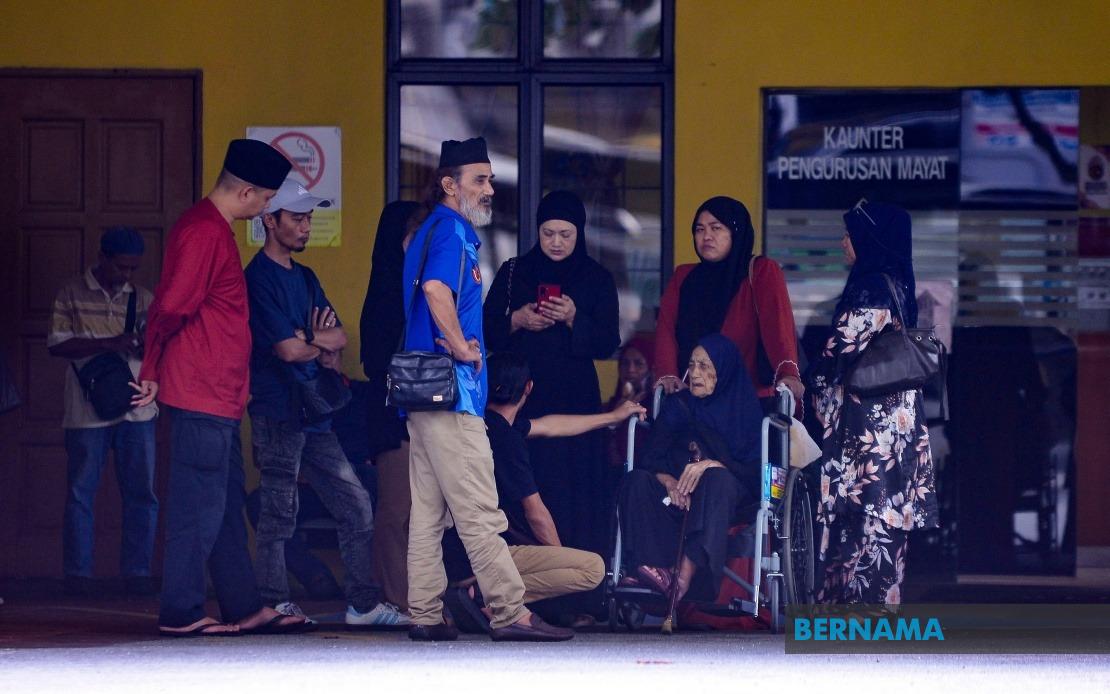
A grieving family member is pressing for a comprehensive and transparent investigation following a fatal collision involving a Malaysian Immigration Department lorry at Maju Junction, which claimed the lives of three people in the early hours of the incident. Mohd Nadzri Razali, aged 69 and brother-in-law to one of the deceased, is particularly concerned about allegations that the lorry may have breached traffic regulations at the intersection on Jalan Sultan Ismail.
The accident resulted in the deaths of Shaik Mohd Firdaus Shaikh Yahya, 53, and his two daughters, Siti Nor Sazlin, 25, and Siti Darwisyah Auni, 12. The family was struck by the vehicle while crossing the intersection, with the impact throwing the lorry out of control and into additional pedestrians and vehicles. Mohd Nadzri emphasised that his brother-in-law and nieces deserve justice, and that the circumstances surrounding the incident demand rigorous scrutiny to determine what went wrong.
Accounts from those familiar with the situation indicate that the Immigration Department lorry, an empty Isuzu Black Maria that was en route to Chow Kit for an operation targeting undocumented migrants, may have proceeded through the intersection while traffic signals indicated red for its lane of travel. The vehicle was reportedly equipped with beacon lights and a siren at the time. Simultaneously, a Proton Saga travelling in the opposite direction had a green light but proved unable to avoid the lorry, resulting in the collision that triggered the tragic chain of events.
Mohd Nadzri recounted visiting his sister's family approximately two weeks before the tragedy, when they had travelled to Teluk Bakong in Ayer Tawar to maintain family graves. The shock of losing three family members in a single incident has been compounded by earlier grief, as the family had experienced another loss on May 30 of this year. Speaking from his home in Taman Aman Fasa 2, Mambang Di Awam, Mohd Nadzri expressed the devastating impact of this tragedy on those left behind.
His sister, Norhayati Razali, aged 55, survived the crash but remains in the Intensive Care Unit at Kuala Lumpur Hospital, where medical staff are monitoring her recovery closely. Mohd Nadzri indicated that she has regained consciousness, which represents a positive development in her condition. The family is considering transferring her to either Hospital Ipoh or Teluk Intan once doctors determine her condition permits such a move, bringing her closer to relatives in Perak and allowing her continued recovery in a more familiar setting.
The three deceased family members will be laid to rest together in a single grave at the Muslim Cemetery in Kampung Air Hitam Labu, Kampar, reflecting the family's desire to keep them together even in death. This decision underscores the profound loss experienced by those mourning them, as three lives were extinguished in circumstances that Mohd Nadzri and other family members believe warrant thorough examination.
Investigators have opened a file under Section 41(1) of the Road Transport Act 1987, which addresses dangerous or reckless driving causing death or injury. This section provides the legal framework for examining whether the lorry driver's actions—particularly the alleged running of a red light while operating an emergency vehicle—constituted a breach of traffic laws or unsafe driving practices. The provisions of this statute allow authorities to pursue criminal charges if evidence supports such a conclusion.
The incident has raised broader questions about how emergency vehicles should operate at intersections and whether adequate precautions are taken to ensure public safety when these vehicles are in transit. While beacon lights and sirens are intended to alert other road users, the case underscores the tension between operational urgency and pedestrian safety. The allegation that the lorry proceeded through a red light, even with warning lights activated, suggests that the technical means of alerting other road users may not always be sufficient to prevent catastrophic collisions, particularly when pedestrians are crossing on a green light in what they reasonably believe is a safe condition.
For the family and broader public, the outcome of this investigation will carry significant weight. A transparent process that thoroughly examines all factors contributing to the crash—vehicle speed, driver attention, visibility conditions, and decision-making regarding traffic compliance—is essential not only for providing closure to the bereaved but also for informing how authorities manage emergency vehicle operations in high-traffic urban areas. Mohd Nadzri's call for justice reflects a determination that the deaths should prompt meaningful accountability and, potentially, procedural improvements to prevent similar tragedies in the future.

