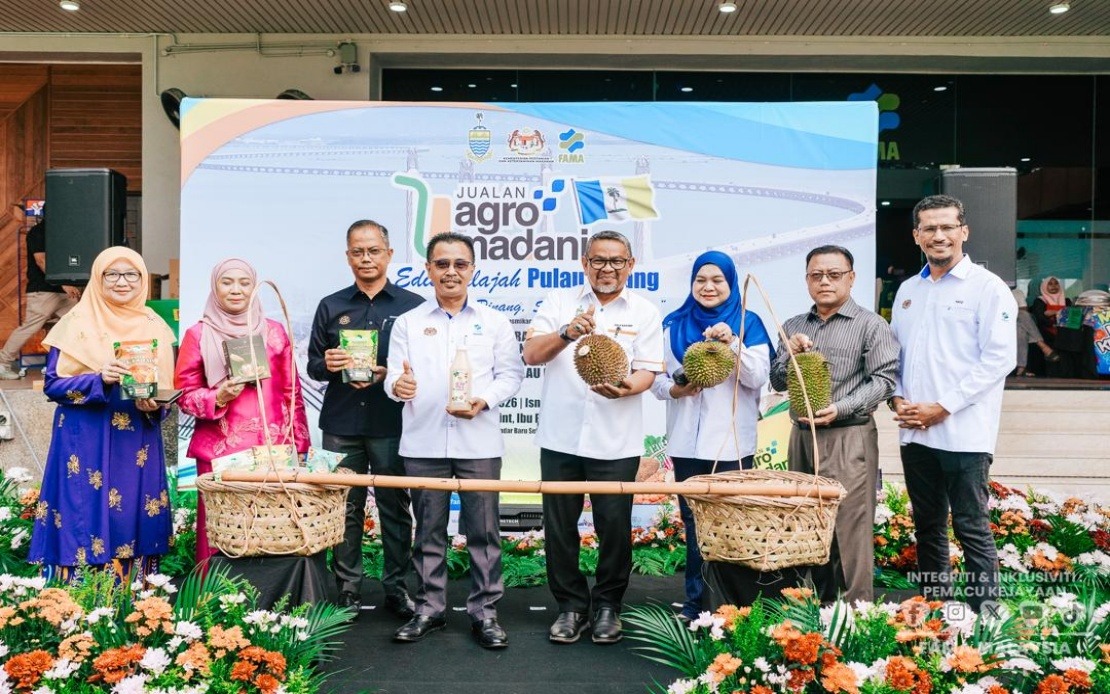
Malaysia's agricultural sector is gaining momentum through the Federal Agricultural Marketing Authority's (FAMA) Agro MADANI Sales (JAM) programme, which has generated RM46.72 million in revenue across 1,833 nationwide events during the opening five months of 2024. The initiative represents a significant step in bolstering the nation's farm-to-consumer ecosystem while creating meaningful income opportunities for rural entrepreneurs who form the backbone of Malaysia's agri-food industry.
The programme demonstrates FAMA's strategic approach to modernising agricultural marketing in Malaysia. By establishing direct channels between producers and consumers, the agency is dismantling traditional intermediaries that often inflate prices and reduce farmer profitability. This model resonates particularly well in Southeast Asia, where agricultural development remains crucial for rural livelihoods and food security. The scale of participation—nearly 1,800 events in just five months—underscores widespread acceptance among both vendors and shoppers seeking authentic, locally-sourced products at competitive prices.
The latest Penang edition of the JAM programme, held at FAMA headquarters in Selayang, exemplifies the initiative's regional expansion strategy. As the third such event organised in Selangor, this iteration involved 45 sales lots featuring 30 entrepreneurs from Penang, projecting 2,000 visitor footfalls and a sales target of RM100,000. The participation of regional government bodies, including the Penang State Economic Planning Division and the Penang Rural Development, Agrotechnology, Food Security and Cooperatives Committee, signals strong political backing for agricultural entrepreneurship at the state level.
Productivity and variety are hallmarks of these marketplace events. Consumers accessing the programme encounter diverse offerings spanning premium durian varieties—including Balik Pulau premium durians, Black Thorn, Red Prawn, and Hor Lor cultivars—alongside other specialised products like Cempedak King. This curated selection appeals to quality-conscious Malaysian shoppers while providing a meaningful sales platform for smallholder producers who might struggle to penetrate conventional retail networks. The inclusion of value-added agri-food items extends the programme beyond fresh produce into processed goods, creating higher-margin opportunities for participating entrepreneurs.
The cultural dimension of the initiative adds another layer of appeal, particularly for state-specific programming. The Penang event incorporated iconic local delicacies—nasi kandar, Penang laksa, char kuey teow, mee sotong, and air sarbat—transforming marketplace visits into experiential engagements that celebrate regional culinary heritage. This approach leverages food culture as an economic tool while strengthening consumer emotional connections to locally-made products, a strategy increasingly relevant as Malaysian consumers seek authenticity and traceability in their food choices.
Collaborative governance structures underpin the programme's effectiveness. Partnership between FAMA, state governments, and bumiputera development councils creates synergies that amplify entrepreneurial support beyond simple marketplace provision. The joint initiative with the Penang Bumiputera Development Council illustrates how government agencies can coordinate to strengthen local enterprise ecosystems. Such cooperation proves essential in Malaysia's federal framework, where agricultural policy spans multiple jurisdictions and stakeholder groups.
The affordability angle addresses a pressing consumer concern in Malaysia, where urbanisation and inflation have strained household budgets. By enabling direct purchase from growers and producers, the JAM programme eliminates middleman markups that traditionally inflate retail prices. This mechanism particularly benefits lower-income families and pensioners who constitute a significant portion of Malaysian consumers, while simultaneously improving farmer net revenues—a win-win dynamic that enhances social equity.
From a broader Southeast Asian perspective, FAMA's initiative offers a replicable model for agricultural marketing transformation. Countries across the region face similar challenges: farmer income vulnerability, inefficient supply chains, and consumer disconnect from agricultural origins. Malaysia's systematic approach—leveraging federal agricultural authority infrastructure, coordinating across government levels, and scaling through regular marketplace events—provides a template that regional counterparts might adapt to their contexts.
The programme's performance metrics warrant examination. With RM46.72 million generated across 1,833 events, the average event revenue approximates RM25,500, suggesting consistent commercial viability. This consistency matters for sustainability; programmes dependent on flagship events often falter during quieter periods, whereas broad-based recurring activities build predictable income streams for participating entrepreneurs. The sheer frequency of events also indicates FAMA's resource commitment and operational capacity.
Entrepreneur development represents an underappreciated dimension of the JAM programme. Beyond immediate sales transactions, participation cultivates business acumen among rural producers. Exposure to diverse consumer preferences, direct customer feedback, and peer networking among vendors collectively enhance entrepreneurial sophistication. For many smallholder farmers accustomed to wholesale transactions with minimal negotiating power, these direct engagement opportunities represent transformative learning experiences.
Government policy continuity and resource allocation will determine whether the programme sustains its growth trajectory. Agricultural marketing initiatives often struggle when political attention shifts or budgets contract. FAMA's institutional commitment, evidenced by director-general Abdul Rashid Bahri's personal participation in regional events, suggests serious leadership backing. However, long-term success requires stable funding, consistent regulatory support, and ongoing infrastructure investment.
For Malaysian consumers, the programme offers tangible benefits: authenticated quality, transparent pricing, and cultural enrichment through experiential engagement with agricultural heritage. As food safety concerns persist globally and consumers increasingly prioritise ethical sourcing, direct-purchase models like JAM address these values while supporting rural economies. The initiative thus positions agricultural entrepreneurship not merely as economic activity but as vehicle for broader social and cultural revitalisation within Malaysia's regional framework.

