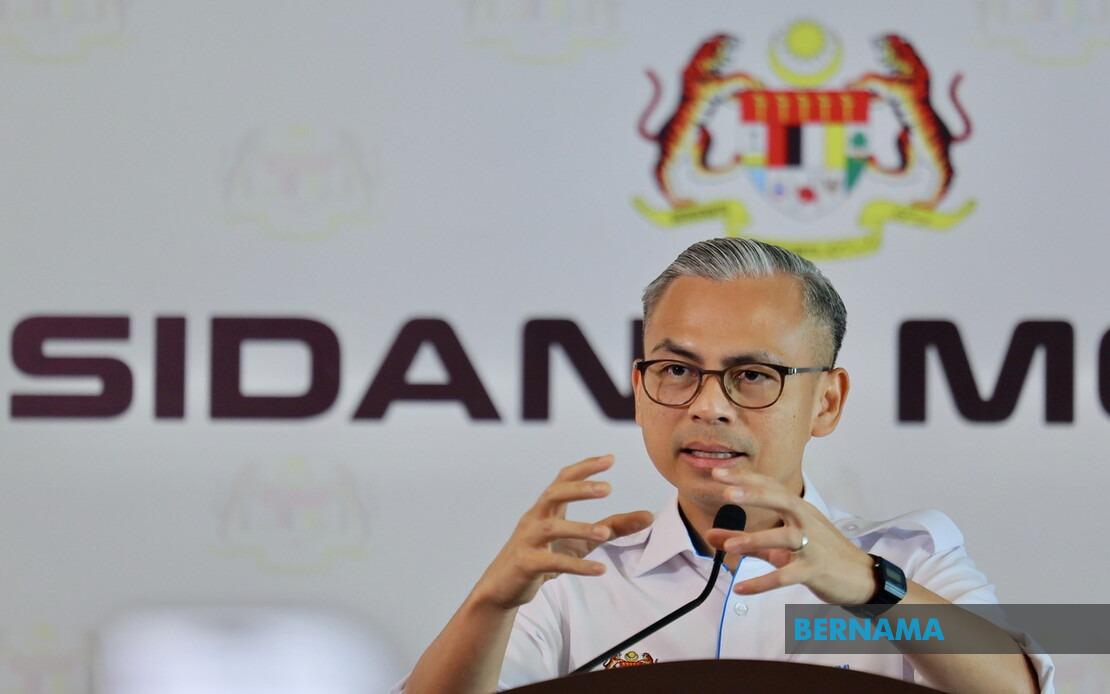
Communications Minister Datuk Seri Fahmi Fadzil has centred his message for this year's National Day and Malaysia Day celebrations on collective responsibility and national pride, emphasising that Malaysia's independence stands as testimony to the dedication and sacrifice of preceding generations whose contributions continue to shape the nation's trajectory.
In remarks distributed through official government channels, Fahmi underscored the necessity for all Malaysians to transcend divisions of ethnicity, faith, custom and social standing to reinforce the bonds of unity that historically have provided the foundation for the country's resilience and advancement. This appeal comes at a time when Malaysia continues navigating complex social and political dynamics that require sustained commitment to interethnic and interfaith dialogue.
The minister framed national development not merely as a governmental responsibility but as a collective endeavour requiring participation and buy-in from all segments of society. He stressed that fostering mutual understanding and maintaining the delicate equilibrium that characterises Malaysian plurality are essential prerequisites for continuing the nation's progress trajectory and establishing it as a respected player in global affairs.
Fahmi's message aligns with the government's overarching framework for 2026, encapsulated in the theme "Malaysia MADANI: Kesejahteraan Dinikmati," which translates to emphasising equitable prosperity accessible to the entire population. This thematic orientation reflects a deliberate pivot towards inclusive growth policies, signalling that economic advancement should not concentrate benefits among privileged segments but should reach citizens across geographical regions and socioeconomic strata.
The emphasis on shared responsibility carries particular resonance for Malaysian policymakers given ongoing discourse surrounding wealth distribution, regional development disparities, and the necessity to ensure that modernisation benefits urban and rural communities alike. By positioning development as a collective obligation rather than a top-down initiative, Fahmi's articulation suggests the government recognises that sustainable national progress requires buy-in from all demographic groups.
The Communications Minister's invocation of patriotism serves multiple functions within Malaysia's contemporary political landscape. Beyond symbolic rhetoric, it reinforces the constitutional and moral imperative binding citizens to the nation-state established through the 1957 independence accord. For Malaysian audiences, particularly younger generations, such messaging seeks to kindle connection with national foundations whilst simultaneously addressing concerns about social fragmentation and declining civic engagement.
Fahmi's appeal to "togetherness and shared responsibility" implicitly acknowledges persistent challenges confronting Malaysian society, including questions surrounding wealth inequality, regional imbalances in development, and tensions occasionally surfacing around resource allocation and opportunity distribution. By framing national celebration through this lens, the government signals recognition that ceremonial occasions provide platforms for affirming commitment to inclusive governance principles.
The message's timing, preceding dual celebrations of National Day and Malaysia Day, carries significance within Malaysia's constitutional framework and historical narrative. National Day commemorates independence from British colonial administration, whilst Malaysia Day marks the formation of the Malaysian federation through integration of Sabah, Sarawak and the territories of Malaya. Both occasions carry distinct regional resonances, particularly within East Malaysian states where Malaysia Day holds particular importance for affirming commitment to the broader Malaysian project.
For Southeast Asian observers, such messaging from senior Malaysian government figures reflects broader regional patterns wherein political leaders increasingly emphasise national unity and inclusive development as central policy objectives. Within ASEAN's context, Malaysia's approach to managing multicultural complexity offers instructive lessons for neighbouring nations grappling with comparable challenges surrounding ethnic diversity, religious pluralism and equitable development distribution.
The minister's expressed confidence that Malaysia would persist in advancing as a unified entity whilst commanding international respect underscores the government's assessment that national cohesion remains prerequisite for competitive positioning within the regional and global order. This perspective aligns with strategic analyses suggesting that sustainable economic growth and geopolitical influence increasingly depend upon societies' capacity to harness diversity as competitive advantage rather than managing it merely as potential liability.
Fahmi's invocation of patriotic sentiment ultimately functions as call for recommitment to foundational Malaysian principles established during independence negotiations—principles emphasising federation across difference and guarantee of rights protection for all inhabitants regardless of origin. Whether such appeals translate into tangible policy adjustments addressing substantive citizen concerns regarding opportunity, representation and resource distribution remains subject to ongoing evaluation and political discourse within Malaysia's diverse constituencies.

