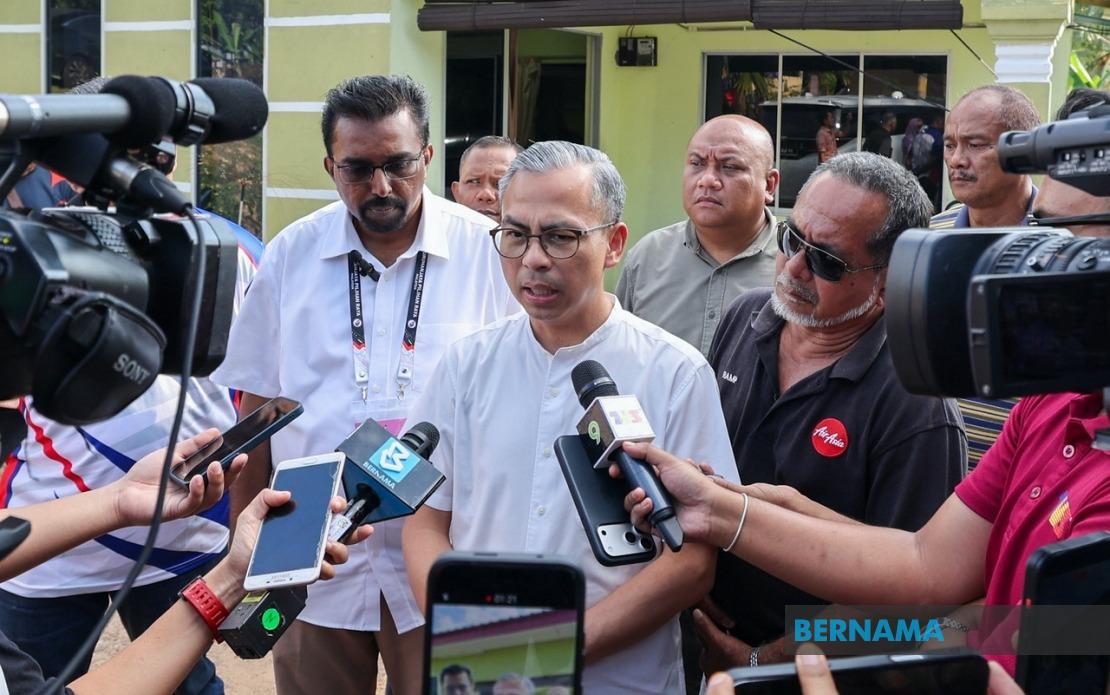
Communications Minister Datuk Seri Fahmi Fadzil has joined government voices urging swift publication of the Royal Commission of Inquiry's final report on Tabung Haji, contending that public disclosure represents an essential step toward rebuilding confidence in the Islamic pilgrimage savings agency. Speaking after attending the "Ziarah Kasih MADANI" programme at Felda Palong 1 in Jempol on July 23, Fahmi emphasised that releasing the document would empower depositors, contributors, and ordinary Malaysians to scrutinise the inquiry's conclusions regarding past management at the troubled institution.
The push for transparency reflects mounting pressure within the government to demonstrate accountability over Tabung Haji's troubled history. The Royal Commission was established to investigate damaging allegations surrounding the sale of the agency's strategic assets, transactions that sparked public concern about governance and fiduciary responsibility. By making the report accessible, officials argue that the government can demonstrate commitment to openness while simultaneously giving affected parties—including millions of Malaysians who have contributed savings for the Hajj pilgrimage—direct access to findings that directly concern their financial interests.
Fahmi grounded his case in principle rather than pragmatism, stressing that transparency and fairness constitute core values that should guide government conduct. He noted that the current management structure at Tabung Haji operates from a significantly strengthened position compared to the organisation's previous state, suggesting that disclosure poses no risk to operational stability. This framing attempts to address potential government concerns about releasing potentially unflattering findings—essentially arguing that a reformed institution can withstand public scrutiny of past failures without suffering reputational collapse.
Prime Minister Datuk Seri Anwar Ibrahim had already signalled receptiveness to the publication proposal, telling reporters that the government stands prepared to release the RCI report in due course. Rather than committing to immediate disclosure, Anwar indicated he would review the publication decision alongside Chief Secretary to the Government Tan Sri Shamsul Azri Abu Bakar, suggesting the process involves consultation with senior civil service leadership. The Prime Minister projected that the report would become public no later than the following Wednesday from his statement, offering a specific timeline that represented a concrete commitment to action within a defined window.
The timing of this announcement carries significance for Malaysian governance dynamics. Tabung Haji has functioned as a crucial financial institution for the Muslim-majority nation, managing savings from millions of contributors who view the organisation as steward of their sacred pilgrimage aspirations. When allegations of asset mismanagement surfaced, they struck at public trust in an institution embedded in religious observance and national identity. Releasing an independent inquiry report therefore serves not merely as administrative transparency but as a form of institutional redemption, offering evidence that wrongdoing has been examined and documented through formal processes.
The RCI's investigation centred on complex financial transactions involving property sales and investment decisions that some alleged benefited external parties at depositors' expense. The specifics of these allegations remained contentious, with various stakeholders offering competing interpretations of what constituted prudent asset management versus improper conduct. A public report would allow Malaysians to examine the inquiry's findings directly rather than relying on fragmentary media coverage or government summaries, potentially clarifying disputed facts and establishing an authoritative record.
For Malaysian civil society and opposition figures, the report's release represents a test of the government's transparency commitments. Since assuming office, the Anwar administration has positioned itself as reformist, emphasising accountability measures and anti-corruption initiatives as central to its political platform. Refusing to publish an RCI report would contradict these stated principles and invite accusations of selective transparency. Conversely, full disclosure demonstrates willingness to submit government-linked institutions to public accountability, reinforcing the administration's reform credentials.
The Tabung Haji situation also resonates internationally within Southeast Asia's development context. Religious savings institutions exist across the Muslim-majority region, and governance failures in one jurisdiction potentially undermine confidence in similar organisations elsewhere. Malaysia's handling of the Tabung Haji inquiry and the publication decision therefore carries implications for regional financial stability and institutional trust in Islamic financial products, areas increasingly important to regional economies.
For depositors and contributors, report publication offers practical clarity about whether management misconduct occurred and what corrective measures have been implemented. This knowledge enables individuals to make informed decisions about whether to maintain savings with the institution or seek alternatives. Transparency thus functions as both accountability mechanism and market information, allowing rational actors to respond to disclosed risks and changes in institutional practice.
The government's apparent movement toward publication also suggests confidence that current management reforms address the conditions that generated initial allegations. If leadership believed that disclosure would reveal ongoing systematic problems, political pressure for release would likely encounter stronger resistance. The willingness to commit to publication thus implicitly endorses the narrative that Tabung Haji has been substantially rehabilitated, though the actual report will ultimately determine whether public opinion aligns with this assessment.
The unfolding process reflects broader Malaysian conversations about balancing government confidentiality with democratic accountability. While security, privacy, and operational sensitivity occasionally justify withholding documents, public institutions managing citizen assets occupy different categories. Tabung Haji's quasi-governmental status as a statutory body entrusted with religious savings creates presumption favoring disclosure, particularly regarding findings from formal inquiries into alleged mismanagement.

