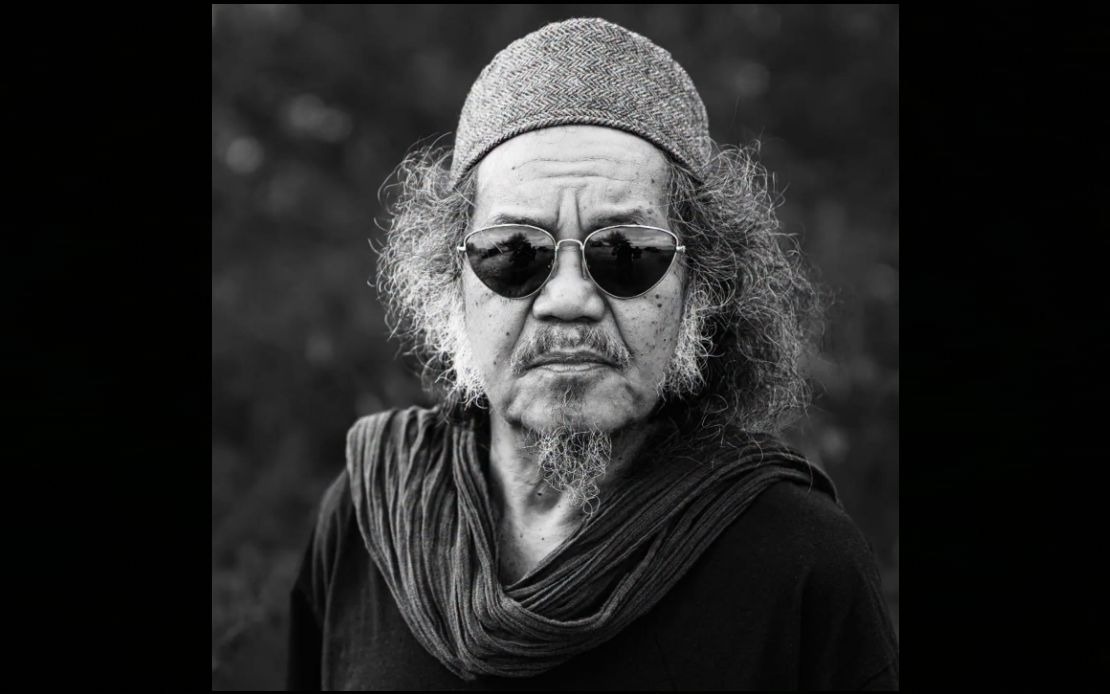
Communications Minister Datuk Seri Fahmi Fadzil has mourned the loss of veteran Malaysian actor Kamarool Yusoff, known to cinema lovers as Cik Man, who passed away on the evening of August 5. In remarks shared on social media, Fahmi reflected on the profound legacy left by the celebrated performer, whose contributions to the nation's entertainment industry spanned decades and left an indelible mark on generations of viewers.
The minister highlighted the particular resonance Kamarool's work held for audiences who came of age during the 1980s, when Malaysian cinema was experiencing a vibrant period of creative output. For this cohort of filmgoers, the actor's name remains inseparable from memorable cinematic moments that defined an entire era of popular entertainment. Fahmi's public tribute underscored how deeply embedded Kamarool's performances had become in the collective memory of Malaysian audiences across multiple generations.
Kamarool achieved his most celebrated role as Farouk, the commanding leader of the "Gagak Hitam" gang, in the 1986 Malaysian classic that remains iconic in the annals of local cinema. This portrayal became the defining character of his career, one that audiences continue to associate with his name decades later. The film itself stands as a cultural touchstone, representing a particularly creative moment in Malaysian film history when such productions could capture public imagination and critical respect simultaneously.
In his statement, Fahmi characterised Kamarool as far more than an entertainer. The minister described him as a figure of substantial respect within the broader artistic community, someone whose influence extended well beyond the confines of the acting profession. Kamarool's standing reflected the esteem in which he was held by fellow artists, cultural commentators, and those dedicated to preserving Malaysia's artistic heritage. This broader recognition speaks to the quality and depth of work he contributed throughout his career.
The Communications Minister framed Kamarool's passing as a loss not merely to the entertainment sector but to Malaysia's cultural landscape more broadly. By positioning the actor as someone who had materially enriched the nation's arts scene, Fahmi's remarks acknowledged the role individual artists play in shaping collective cultural identity. The tribute suggested that creative contributions to cinema and performance constitute a form of national service, one deserving of formal recognition and public acknowledgement.
Fahmi emphasised the enduring nature of Kamarool's artistic legacy, noting that his body of work would continue to resonate with audiences and remain part of Malaysia's cultural conversation indefinitely. This observation reflects an important principle: that significant creative achievements transcend their historical moment and acquire timeless value. The 1986 film and Kamarool's performance within it have not faded into obscurity but rather have achieved a kind of classic status that ensures they will be revisited by new audiences and studied by those interested in Malaysian cinema's development.
The minister also paid respects according to Islamic tradition, invoking blessings upon the deceased's soul and praying for divine forgiveness and mercy. This dimension of Fahmi's tribute reflected the predominantly Muslim character of Malaysian society and the cultural importance of such observances within the broader framework of honouring the deceased. The inclusion of such prayers alongside secular acknowledgement of artistic achievement demonstrated how these different registers of meaning coexist within Malaysian public discourse.
Kamarool's death marks the passing of a figure whose career bridged different phases of Malaysian popular culture. He represented a generation of performers who worked during a period when locally-produced cinema held substantial cultural authority and audience interest. The loss of such figures represents a gradual diminishment of direct connection to that earlier era, as those who lived through those periods of creative ferment become increasingly scarce.
The public nature of Fahmi's tribute, delivered through official channels, signalled official recognition of the entertainment sector's contribution to national life. When government ministers take time to acknowledge the passing of performers and artists, they implicitly validate the cultural work these individuals undertook. This public mourning also provided space for broader society to collectively acknowledge appreciation for figures who may not always receive consistent recognition despite their substantial cultural impact.
Kamarool's legacy exists primarily through his filmography and through the memories of those who watched his performances. In an era of rapidly evolving entertainment technologies and changing audience preferences, figures like Kamarool represent continuity with earlier modes of cultural production. The continued interest in revisiting his work, and the ready recognition of his name among those familiar with Malaysian cinema, testify to the durability of his artistic contributions.
The passing of veteran performers often prompts reflection on broader questions about cultural preservation and memory. As Malaysia continues developing its contemporary entertainment industry, maintaining awareness of foundational figures like Kamarool becomes increasingly important. His work serves as historical record of how Malaysian filmmakers and actors approached storytelling and character development during a formative period for local cinema.

