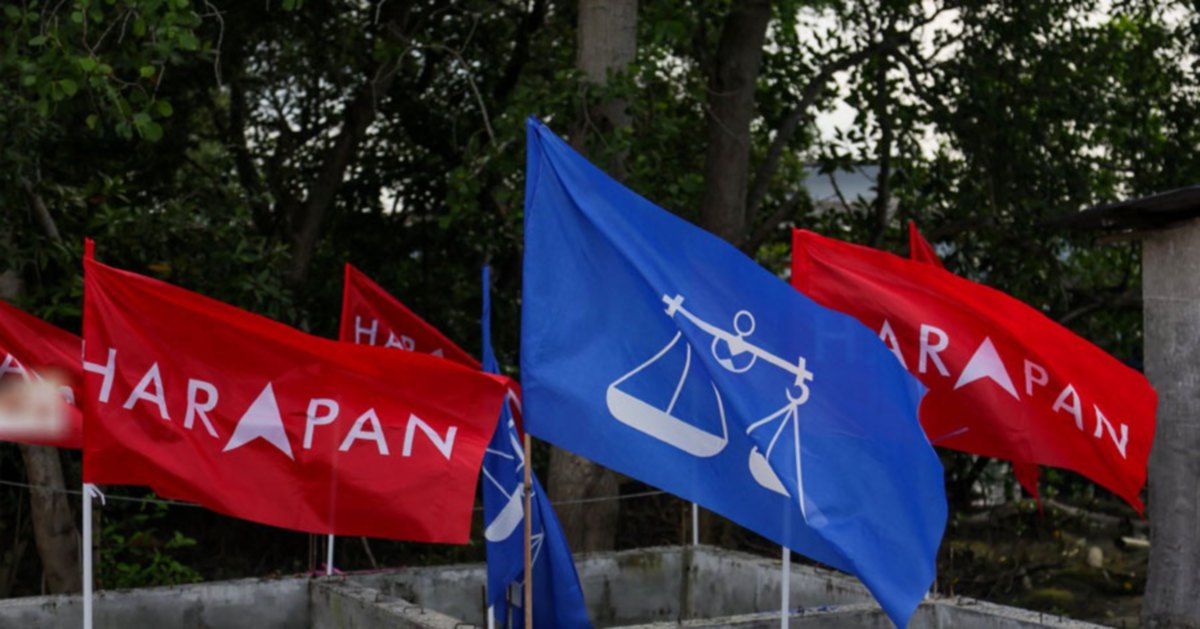
The leadership of Pakatan Harapan appears to be in intensive deliberations as the coalition manages its ongoing negotiations over electoral seat distribution with Barisan Nasional. Datuk Seri Fahmi Fadzil, the communications director of PH, publicly acknowledged that Datuk Seri Amirudin Shari, who oversees election strategy for the opposition coalition, convened with Datuk Seri Anwar Ibrahim, the coalition chairman, during the previous day. The confirmation comes at a critical juncture for PH as the bloc seeks to optimise its electoral positioning while maintaining cohesion with its strategic partner.
The meeting between Amirudin and Anwar reflects the intricate machinery of coalition politics in Malaysia, where seat allocation remains one of the most contentious issues among partner parties. Election strategy and seat negotiations form the backbone of coalition dynamics, as each constituent party seeks to maximise its representation in parliament. The involvement of both the election director and the coalition chairman underscores the significance attached to these discussions at the highest levels of PH leadership. Such top-tier engagement typically indicates that the matters under discussion carry substantial weight for the coalition's electoral prospects and internal stability.
Fahmi's willingness to confirm the meeting publicly suggests a degree of transparency that PH may be attempting to project regarding its negotiating processes. Rather than allowing speculation to mount, the communications director's acknowledgement serves to frame the discussions within a structured, professional context. This approach may be designed to reassure party members and supporters that coalition negotiations are being handled with appropriate rigour and that key decisions are being made by recognised senior figures with the requisite authority.
The PH-BN seat talks represent a delicate balancing act for the opposition coalition. While Pakatan Harapan has sought to establish itself as a credible alternative administration, partnership with Barisan Nasional introduces complications regarding messaging and positioning, particularly given their historical antagonism. For Malaysian voters and party members, clarity about how these negotiations are progressing becomes a matter of legitimate concern, as seat distribution directly influences which politicians will represent their constituencies and the ideological composition of parliament.
Amirudin Shari's role as election director places him at the epicentre of PH's strategic calculations for forthcoming electoral contests. His discussions with Anwar would logically encompass seat allocation targets, negotiation parameters with BN, and the projected electoral mathematics that might result from various arrangement scenarios. These conversations shape not merely the immediate coalition strategy but also the foundation for PH's campaign messaging and candidate positioning across constituencies nationwide.
The timing of Fahmi's confirmation warrants consideration within the broader context of Malaysian political developments. Coalition arrangements in Malaysia are rarely static; they evolve in response to electoral cycles, internal party dynamics, and shifts in voter sentiment. By confirming these high-level meetings, PH may be signalling to both internal and external audiences that the coalition is actively engaged in forward planning rather than operating reactively.
For observers of Malaysian politics, the distinction between confirmation of a meeting and disclosure of its contents carries significance. Fahmi's acknowledgement establishes that discussions occurred without necessarily revealing negotiating positions, demands, or proposals that remain subject to ongoing deliberation. This selective transparency represents standard practice in coalition politics, where maintaining negotiating flexibility while demonstrating good-faith engagement requires careful communication management.
The PH-BN configuration itself represents a notable aspect of contemporary Malaysian electoral politics. These two historically opposed blocs have found common cause under certain circumstances, reflecting the fragmented nature of Malaysian party politics and the necessity for flexible coalition-building. However, voters and analysts remain attentive to how such partnerships function operationally, particularly when seat negotiations unfold largely beyond public view.
Regional implications of these negotiations extend beyond Malaysia's borders, as Southeast Asian observers monitor how major opposition coalitions manage internal dynamics and electoral positioning. Coalition stability and transparent governance structures are increasingly important metrics for assessing political maturity within the region. The manner in which PH conducts its negotiations with BN may influence perceptions of the bloc's institutional capacity to govern effectively should it secure electoral victory.
Looking forward, the convergence of Amirudin and Anwar's discussions likely produces operational directives that will cascade through PH's party structures. Campaign teams, candidate selection committees, and parliamentary secretariats may soon receive clearer guidance regarding seat arrangements and electoral strategy refinements. The confirmation of these meetings thus represents more than mere acknowledgement of administrative fact; it signals that consequential decisions are being formulated at coalition headquarters.
As Malaysian politics continues its trajectory toward forthcoming electoral contests, the character and transparency of coalition operations will remain subject to scrutiny. Whether PH and BN ultimately achieve a harmonious seat arrangement or whether negotiations prove contentious may significantly influence their combined electoral appeal and the confidence that voters place in coalition governance. Fahmi's confirmation that senior figures are actively engaged in these discussions provides some assurance that key decisions are not being delegated to lower-ranking officials or left to chance.

