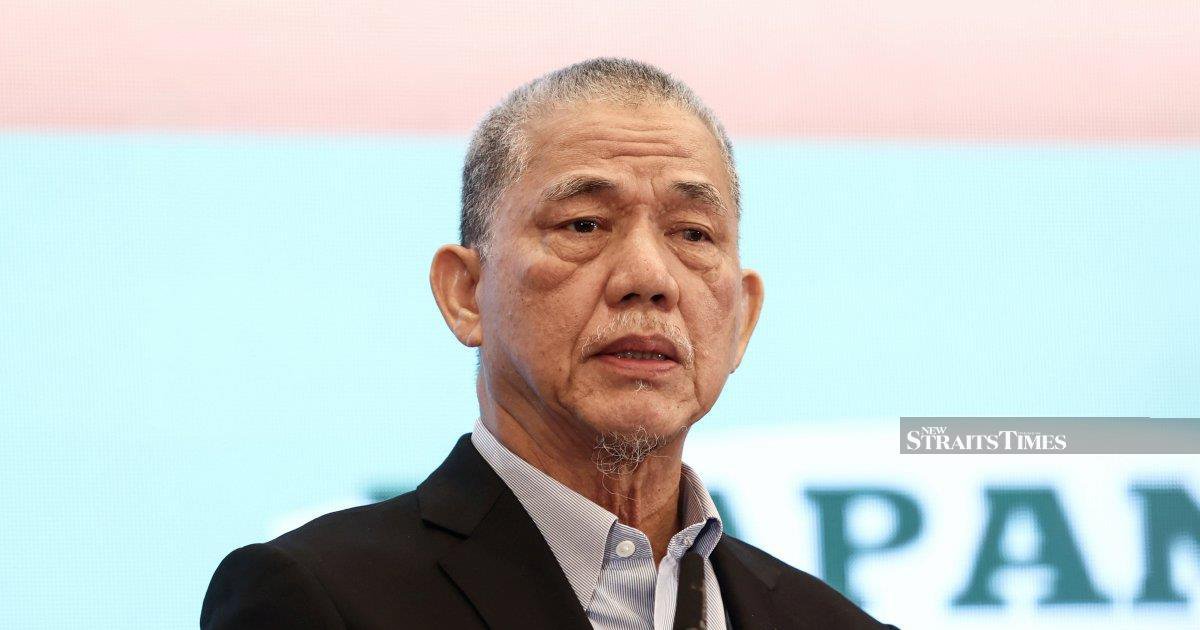
Deputy Prime Minister Datuk Seri Fadillah Yusof is making satisfactory progress in his post-operative recovery following coronary artery bypass grafting surgery carried out at the National Heart Institute in Kuala Lumpur on August 12. Medical staff at the facility have confirmed that the complex cardiac procedure, which is among the most significant interventions in modern cardiology, proceeded without complications.
The bypass grafting technique represents a standard intervention for patients with severely blocked coronary arteries that restrict blood flow to the heart muscle. The procedure involves surgeons harvesting blood vessels from elsewhere in the patient's body—typically the leg, arm, or chest wall—and using them to create new pathways around the blocked sections of the coronary arteries. This allows oxygen-rich blood to reach the heart tissue more effectively, reducing the risk of heart attack and improving overall cardiac function. The surgery typically requires opening the chest and, in many cases, the use of a heart-lung machine to maintain circulation during the operation.
Fadillah's decision to undergo elective surgery demonstrates the commitment of Malaysia's senior leadership to maintaining health standards befitting their demanding roles. The Deputy Prime Minister carries significant responsibilities in government, overseeing multiple policy portfolios and engaging in high-level decision-making that demands sustained physical and mental resilience. His proactive approach to addressing the underlying cardiac condition, rather than delaying intervention, reflects modern preventive cardiology practices increasingly adopted by public figures across Southeast Asia.
The National Heart Institute, where Fadillah underwent treatment, stands as one of Malaysia's premier cardiac care facilities and among the region's leading heart centres. The institution has developed considerable expertise in performing complex procedures including bypass grafting, and its selection for the Deputy Prime Minister's care underscores confidence in domestic medical capabilities. Malaysia's healthcare infrastructure, particularly in specialized cardiac services, has attracted medical tourists from across the region and demonstrates the nation's standing in regional healthcare delivery.
Recovery from coronary artery bypass grafting typically unfolds in distinct phases spanning several weeks. The immediate post-operative period requires careful monitoring of heart rhythm, blood pressure, and oxygen levels. Subsequent phases involve graduated physical rehabilitation, dietary modifications, and pharmaceutical management designed to optimize cardiovascular function and reduce future cardiac events. Patients generally return to light activities within weeks, with full recovery often requiring three to six months depending on the complexity of the procedure and individual health factors.
The public disclosure of Fadillah's surgery and recovery status reflects contemporary transparency expectations regarding senior government leaders' health. This openness serves multiple purposes: it maintains public confidence in government continuity, it demonstrates that Malaysia's medical system operates effectively even for its highest officials, and it normalizes discussion of cardiovascular health—a significant public health concern across the region. Cardiovascular disease remains a leading cause of mortality in Malaysia and throughout Southeast Asia, making high-profile cases valuable in raising awareness.
Fadillah's surgical intervention highlights broader health challenges affecting middle-aged and older populations across Malaysia. Risk factors including sedentary lifestyles, dietary patterns high in processed foods, smoking prevalence, and stress contribute to the rising incidence of coronary artery disease. The Deputy Prime Minister's case exemplifies how even individuals in positions of high authority and presumably with access to superior healthcare are not immune to cardiovascular conditions, underscoring that preventive health measures benefit all Malaysians regardless of status.
The timing of Fadillah's surgery during the middle of the Malaysian parliamentary calendar raises questions about government operations during the recovery period. However, Malaysia's governmental structure, with its distribution of responsibilities among multiple cabinet ministers and the administrative apparatus supporting each portfolio, typically ensures continuity of essential functions during periods when senior officials require medical attention. The Deputy Prime Minister's gradual return to full duties will likely follow medical guidance on activity progression.
Cardiovascular surgery outcomes in Malaysia have improved markedly over recent decades, reflecting advances in surgical technique, anaesthetic management, and post-operative care protocols. Survival rates for coronary artery bypass grafting now exceed 98 percent in major centres, with the majority of patients experiencing significant improvement in symptoms and quality of life following recovery. Long-term success depends substantially on patient adherence to lifestyle modifications, medication regimens, and ongoing cardiac monitoring—factors that typically receive particular emphasis in high-profile cases where public awareness amplifies the medical team's messaging.

