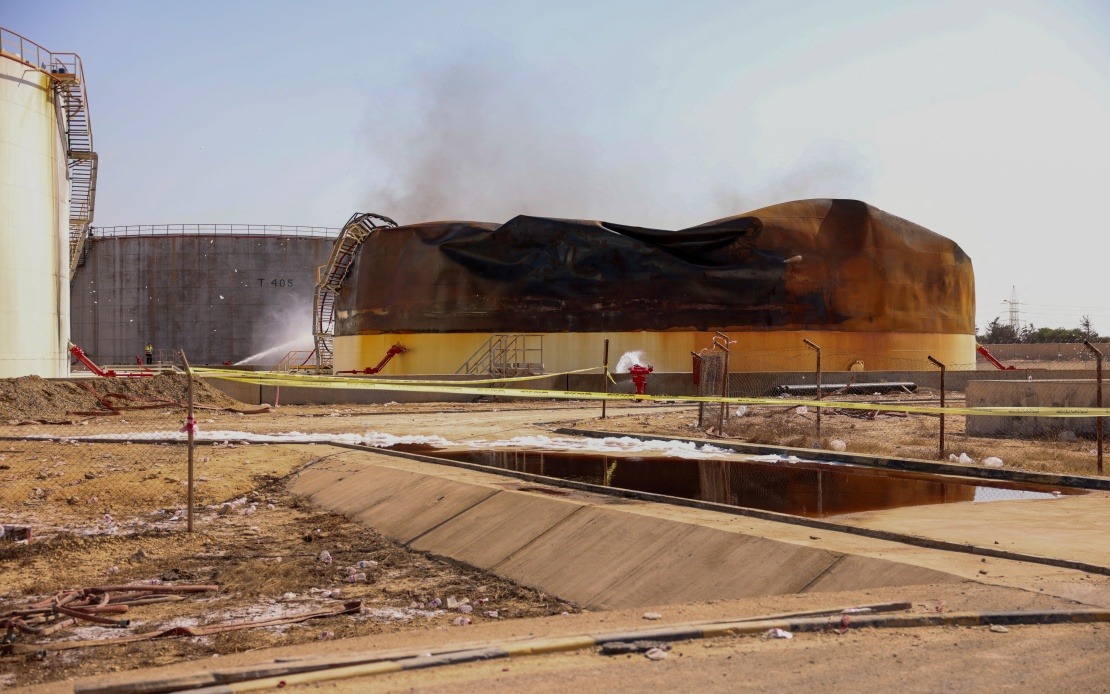
Western Libya's already fragile electricity infrastructure suffered another severe setback when an explosion near the Zawiya power plant knocked multiple generation units offline on Saturday, compounding the nation's persistent energy crisis. State-owned General Electricity Company of Libya (GECOL) confirmed the incident, though details about the explosion's origin and the exact number of affected units remained unclear in initial reports. The timing of the blast raises concerns about whether the facility, which serves a strategically important coastal region, faces ongoing threats to its operational viability.
GECOL teams immediately mobilised to investigate the circumstances surrounding the explosion and assess damage to the power-generating infrastructure. The company acknowledged that several units ceased operation as a direct result of the blast, though restoration efforts began promptly. Preliminary investigations focused on determining the technical causes and the precise sequence of events that led to the incident, with officials noting that comprehensive examinations would take time to complete. The need for such detailed forensic analysis suggests that initial damage assessments raised questions about whether the explosion resulted from mechanical failure, structural stress, or external factors.
The General Electricity Company stressed its commitment to restoring service gradually across the affected regions, with officials expressing confidence that normal power supply would resume within a reasonable timeframe. Technicians worked to stabilise the electricity grid and prevent cascading failures that could impact broader supply networks throughout western Libya. The company issued a formal apology to residents and businesses experiencing blackouts, acknowledging the hardship caused by disrupted power supplies and pledging to maintain restoration efforts until full system stability returned.
This latest disruption arrives in the context of escalating security threats to Libya's vital infrastructure. Just one week before the power plant explosion, Zawiya experienced a series of coordinated drone attacks that struck multiple strategic facilities in rapid succession. The unidentified aerial strikes targeted oil storage installations, desalination plants crucial for water provision, and power infrastructure, suggesting a deliberate campaign to destabilise the city's economic and social systems. The convergence of these incidents within such a short period raises troubling questions about security vulnerabilities at critical installations and the potential for systematic targeting of essential services.
The identity of those responsible for the earlier drone operations remains unknown, with no group or state claiming responsibility for the attacks. Libyan authorities launched investigations into the origin of the unmanned aircraft and the network behind their deployment, though progress in identifying perpetrators has not been publicly disclosed. The mystery surrounding the drone strikes adds to regional anxiety, as various armed groups and external actors maintain interests in Libya's internal dynamics and resource wealth. Intelligence agencies across the region have likely intensified efforts to determine whether the attacks represent localised militant activity, positioning by rival political factions, or involvement by external powers seeking to influence Libyan affairs.
The recurring attacks on Zawiya's infrastructure underscore the city's strategic significance and vulnerability. Located on the Mediterranean coast with access to important oil and gas facilities, Zawiya represents a prize for various competing forces within Libya's fragmented political landscape. The concentration of critical infrastructure in and around the city creates a situation where targeted strikes can rapidly degrade essential services that hundreds of thousands of residents depend upon daily. Each successful attack demonstrates that defenders have been unable to prevent access to high-value targets, eroding confidence in security arrangements and potentially encouraging further strikes.
For Malaysia and Southeast Asian observers, Libya's deteriorating infrastructure security serves as a cautionary example of how civil conflicts and state fragmentation can rapidly destroy national capacity. The inability of state institutions like GECOL to guarantee secure operations reflects broader challenges facing post-conflict societies attempting to rebuild functionality. The persistence of attacks despite international recognition of Libya's government indicates that military or diplomatic solutions alone cannot restore stability without addressing underlying political divisions and grievances that motivate various armed groups to target national assets.
The explosion's impact extends beyond immediate power disruptions to encompass broader economic and social consequences. Unreliable electricity undermines business operations, disrupts healthcare delivery, and degrades quality of life for ordinary citizens. Manufacturing and commercial enterprises in Zawiya face production losses and cannot plan operations reliably when power supplies remain unpredictable. The cascade of infrastructure failures—affecting power, water, and oil production simultaneously—creates a self-reinforcing spiral of decline that compounds Libya's development challenges and increases emigration pressure as residents seek stability elsewhere.
Looking forward, Libya faces a critical decision about whether to invest substantially in infrastructure hardening and security enhancement or accept continued vulnerability to attacks. Reinforcing facilities against drone strikes and explosive devices requires significant capital investment at a time when the national treasury is strained by conflict-related expenditures and reduced oil revenues. International partners, including regional powers and global actors with interests in Libyan stability, must balance competing priorities between security assistance, economic support, and political pressure for national reconciliation that could reduce violence against critical infrastructure.
The repeated disruptions to Zawiya's power supply underscore that Libya's post-conflict reconstruction cannot succeed without addressing security fundamentals. Until authorities establish reliable territorial control, prevent external weapons transfers, and resolve underlying political disputes, critical infrastructure will remain exposed to intentional sabotage and accidental failures alike. The international community's approach to supporting Libya's recovery must therefore incorporate substantial commitments to security sector reform and conflict resolution alongside traditional reconstruction assistance, recognising that restoring electricity generation means little if facilities cannot operate safely for sustained periods.

