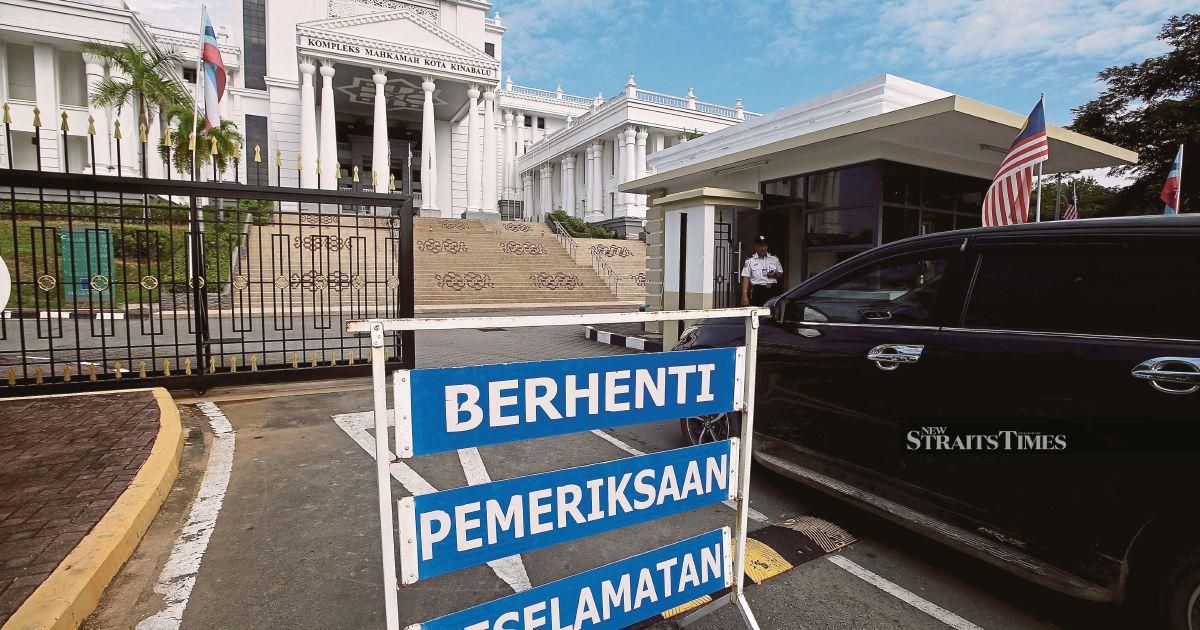
A consultant psychiatrist has cast doubt on evidence suggesting that a young student possessed as many as 34 vaping devices, offering expert testimony during coroner's proceedings into the death of Zara Qairina Mahathir in Kota Kinabalu. The scepticism emerged from Dr Wong Haw Huo, who presented professional observations to the court about what would constitute typical or plausible behaviour for someone of school age, particularly regarding the accumulation of such items.
The appearance of 34 vape devices as evidence in the inquest raises substantial questions about circumstances surrounding the case. Such a large collection would represent an unusual inventory for a student to acquire and maintain, according to the psychiatrist's assessment. His intervention underscores how expert psychological and behavioural analysis plays a crucial role in coroner's inquiries, where determining facts about a deceased person's circumstances requires careful examination of what appears consistent with established patterns of teenage conduct.
The inquest into Zara Qairina Mahathir's death represents a significant case in Sabah's legal proceedings. Coroner's courts throughout Malaysia must weigh substantial amounts of physical evidence, witness testimony, and expert analysis to establish the full circumstances that led to a young person's passing. The presence of such a substantial number of vaping devices in this particular case has naturally become a focal point for investigation, prompting authorities to examine whether the quantity aligns with the deceased's known habits and social patterns.
Vaping has emerged as an increasingly prevalent concern among Malaysian youth, with public health officials expressing growing alarm about nicotine addiction among school-age populations across the country. The availability of vaping products through various channels, some illicit, has complicated efforts to combat youth usage. However, even within this broader context of teenage vaping behaviour, the accumulation of three dozen devices by a single student appears to exceed ordinary usage or collecting patterns, according to psychiatric assessment standards.
Dr Wong's testimony highlights how coroner's courts rely on interdisciplinary expertise to construct accurate pictures of deceased individuals' lives. Psychiatrists, behavioural experts, and other specialists provide essential context that helps judicial officers distinguish between plausible and implausible scenarios. In matters involving young people, understanding typical adolescent behaviour becomes particularly important for establishing credible accounts of how someone spent their final days and what circumstances may have contributed to their death.
The questioning of the vape device quantity potentially opens broader investigative avenues regarding the evidence collection, chain of custody, and circumstances under which these items were recovered. Courts must ensure that exhibits presented genuinely belonged to the deceased and reflect accurate accounts of their possessions. When expert witnesses express doubts about the coherence of physical evidence with established behavioural patterns, investigators may need to revisit how items were catalogued, stored, and presented to judicial proceedings.
Cases involving young people's deaths always attract considerable attention in Malaysia, particularly when the circumstances appear unusual or when evidence seems inconsistent with typical teenage behaviour. The families of deceased youth, community members, and broader society have legitimate interests in ensuring that coroner's inquiries are thorough, impartial, and grounded in reliable evidence and expert analysis. Dr Wong's professional scepticism serves this investigative objective by challenging assumptions that might otherwise pass unexamined through proceedings.
The inquest into Zara Qairina Mahathir's death continues to unfold through evidence gathering and witness examination in Kota Kinabalu. Each element introduced—whether physical objects like vaping devices or expert testimony about behavioural plausibility—contributes incrementally toward the coroner's eventual determination regarding the full circumstances of her passing. The courts must synthesize medical findings, physical evidence, witness accounts, and expert analysis into a coherent narrative that accurately reflects what occurred.
Vaping-related matters have increasingly intersected with Malaysian health and legal systems as evidence accumulates regarding nicotine's addictive properties and potential health consequences for young users. However, addressing teenage vaping requires distinguishing between understanding its prevalence and making accurate factual determinations in specific cases. The question of whether 34 vape devices genuinely formed part of one student's possession remains significant not merely as an evidentiary detail, but as a reflection of proper investigative procedures and judicial rigor in cases affecting young Malaysians.

