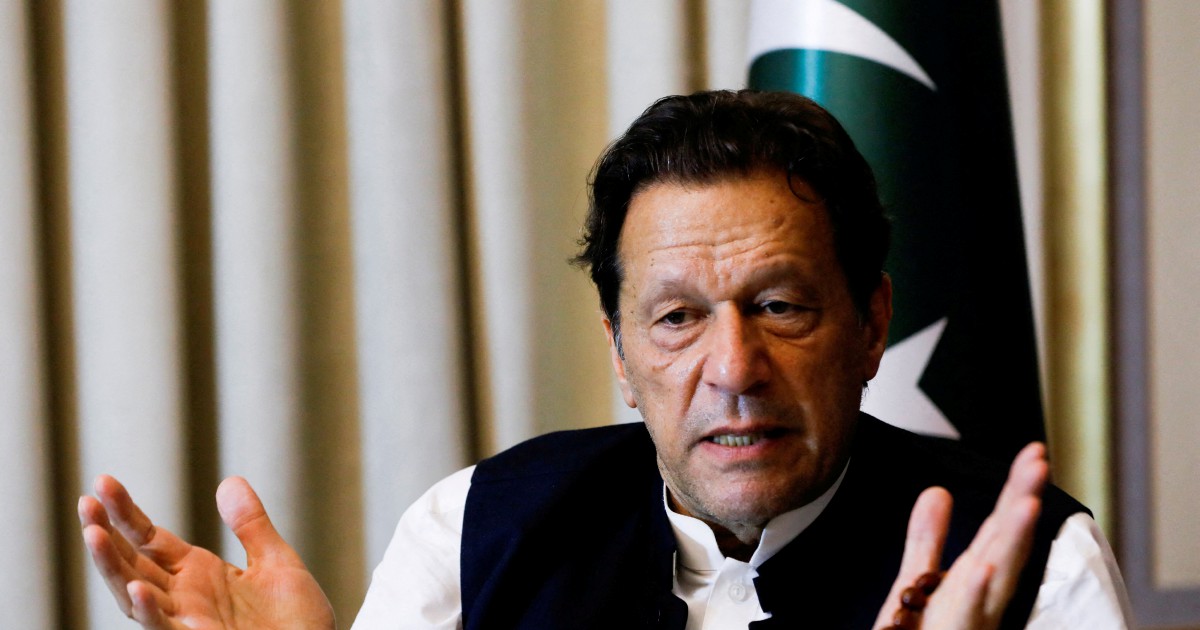
Former Pakistani Prime Minister Imran Khan was remanded to custody on Friday after completing a medical assessment at a healthcare facility in Islamabad, responding to judicial directives issued by the courts, officials familiar with the proceedings confirmed to international news agencies. The cricketer-turned-politician's return to incarceration follows a series of legal battles that have defined his political trajectory since his ouster from office.
The medical evaluation appeared routine yet significant in the context of Khan's ongoing detention and multiple legal cases pending against him. Court-mandated health checks are customary in the Pakistani judicial system to document the physical condition of high-profile detainees, creating an official record of their wellbeing while in custody. This procedure underscores growing international scrutiny of Khan's legal situation, particularly regarding conditions and due process.
Imran Khan's detention has sparked considerable controversy across Pakistan and drawn criticism from international observers monitoring democratic practices in South Asia. Since his dramatic fall from power in April 2022, the former cricket star has faced numerous legal challenges, including allegations relating to terrorism financing, violation of security laws, and various other charges that his supporters characterise as politically motivated. His trajectory from sporting icon to political leader to incarcerated opposition figure represents one of Pakistan's most dramatic political arcs in recent memory.
The continued detention reflects deeper tensions within Pakistan's political establishment, where power struggles between civilian leadership, military institutions, and judicial authorities frequently intersect. Khan's Pakistan Tehreek-e-Insaf (PTI) party has organised multiple protest campaigns demanding his release, framing his legal persecution as an assault on democratic freedoms and independent opposition politics. These demonstrations have occasionally turned confrontational, highlighting the polarisation surrounding his case.
For regional observers including Malaysia and other Southeast Asian democracies, Khan's situation raises important questions about institutional independence and the protection of political rights. Pakistan's judicial system operates within a complex constitutional framework where military influence historically remains significant, and cases involving prominent political figures often attract scrutiny regarding fairness and impartiality. The international community, including human rights organisations, has called for transparency regarding the charges and evidence against Khan.
The medical examination itself, though procedurally routine, may acquire symbolic importance given Khan's sustained complaints about prison conditions and allegations of mistreatment. His legal team has previously raised concerns about his health while detained, though verifying such claims remains challenging within Pakistan's opaque detention system. The court-ordered evaluation potentially addresses these concerns whilst simultaneously serving bureaucratic documentation purposes.
Khan's detention occurs amid broader economic and political turbulence in Pakistan. The nation confronts severe financial pressures requiring International Monetary Fund assistance, whilst simultaneously managing complex civil-military relations and navigating regional geopolitical tensions. Against this backdrop, Khan's high-profile legal battles attract media attention that might otherwise focus on economic governance or foreign policy challenges.
For Malaysian readers familiar with constitutional governance and opposition politics, Khan's case illustrates how political systems can weaponise legal mechanisms against rivals. Pakistan's experience contrasts with Malaysia's own constitutional traditions, particularly regarding protections for political opposition and judicial independence. The Khan case demonstrates how democracies globally must navigate tensions between executive power, legislative authority, and judicial oversight—challenges relevant to understanding comparative political development across Asia.
The timing and nature of various proceedings against Khan have prompted speculation that his prosecution pursues political rather than purely legal objectives. Multiple international bodies and governments have expressed concern, diplomatically or publicly, about the apparent selectivity of prosecutions and the treatment accorded to opposition leadership. These international responses reflect broader concerns about democratic backsliding in the region and the protection of fundamental political freedoms.
Khan's lawyers continue pursuing legal strategies through Pakistan's appellate system, seeking bail relief and challenging the substantive charges. Their efforts highlight the significance of independent legal representation and functioning appellate mechanisms in protecting individual rights, even within contested political contexts. The trajectory of his cases through successive court levels will partially determine whether Pakistan's judiciary functions as a genuine check on executive power or becomes instrumentalised for political purposes.
Looking forward, Khan's situation remains fluid, with his legal status dependent on court decisions that may reflect both genuine legal assessments and political considerations. International attention to his case, combined with domestic political mobilisation by his supporters, creates pressure on Pakistani authorities regarding due process and treatment standards. The medical examination represents merely one procedural checkpoint within a longer detention that continues shaping Pakistan's political landscape and international reputation regarding democratic governance.

