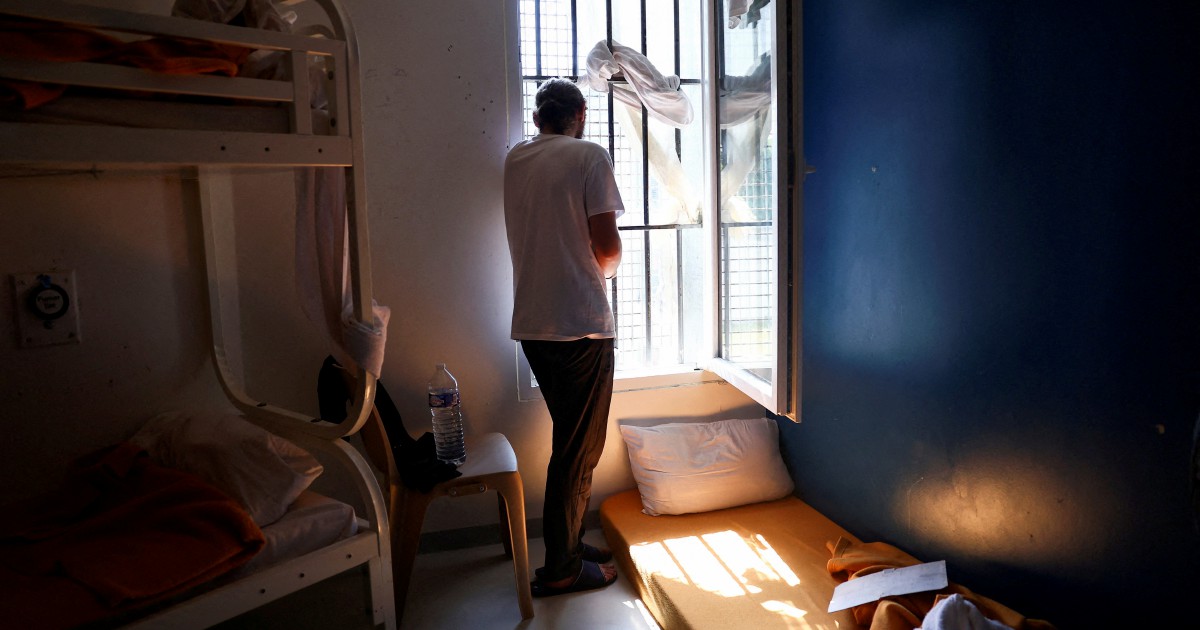
When temperatures in France exceeded 37 degrees Celsius during recent heatwaves, one prisoner resorted to draping wet towels around his cell window bars—a desperate attempt to manage conditions that would be considered unbearable in any other context. His improvised cooling method became a stark illustration of the broader crisis unfolding across Europe's penal system, where the combination of aging infrastructure, chronic overcrowding, and climate-driven temperature extremes has created a perfect storm of humanitarian concern.
The crisis is not limited to isolated incidents or a single jurisdiction. Across the European continent, prison authorities are grappling with facilities designed for different eras and different population levels. Many of Europe's prison systems were constructed decades ago, before contemporary climate patterns emerged and before inmate populations swelled to unsustainable levels. The architectural decisions made in those earlier periods now compound the misery experienced by thousands of incarcerated individuals during Europe's increasingly intense summer heat.
The physical toll of these conditions extends beyond discomfort. Medical experts have warned that prolonged exposure to extreme heat in poorly ventilated, densely packed environments poses genuine health risks. Vulnerable populations within prisons—elderly inmates, those with pre-existing medical conditions, and individuals with mental health challenges—face particular danger during heat emergencies. The absence of adequate cooling systems, combined with limited access to fresh water and medical intervention, transforms these facilities into potentially lethal environments.
French prisons have become emblematic of the broader European problem. The country's penal system has been operating well beyond designed capacity for years, a situation that has drawn criticism from human rights organizations and international bodies. When heatwaves strike, the overcrowding issue transforms from a chronic management problem into an acute crisis. Inmates crowd into cells designed for fewer people, each contributing body heat and consuming oxygen in spaces with minimal air circulation. The visitor who witnessed the wet towel cooling attempt observed firsthand conditions that many policymakers have only encountered in reports and statistics.
This crisis carries significant implications for Southeast Asian observers monitoring European governance challenges. As Malaysia and regional neighbours face their own environmental pressures and rising incarceration rates, the European experience offers cautionary lessons about the long-term consequences of inadequate prison infrastructure investment. The region's humid tropical climate means that detention facilities here already face challenges comparable to European heatwave conditions on a year-round basis, making lessons from Europe's current crisis directly applicable to regional policy discussions.
The intersection of climate change and prison administration represents an emerging policy challenge that many governments have yet to adequately address. Climate scientists project that European summers will continue warming, making heatwaves more frequent and intense. Without significant infrastructure upgrades and population management reforms, prison conditions will likely deteriorate further. This creates a political dilemma: substantial investment in prison systems often lacks public support, yet allowing conditions to worsen carries serious human rights and public health implications.
Beyond the immediate humanitarian concerns lies a broader question about justice system sustainability. When prisons become inhumane, even for those convicted of serious crimes, it raises fundamental questions about state responsibility and the purpose of incarceration itself. Rehabilitation becomes impossible in such conditions. Instead, overcrowded, overheated facilities become warehouses that likely increase recidivism and social dysfunction. The prisoner struggling with wet towels in a 37-degree cell is not being reformed; he is being punished in ways that extend beyond his legal sentence.
Prison authorities across Europe have attempted various short-term measures—distributing additional water, extending yard time in cooler morning hours, relocating vulnerable inmates to slightly better conditions. Yet these palliative approaches address symptoms rather than underlying structural problems. Meaningful solutions require admitting that prison populations have exceeded capacity and that facilities require modernization. Both conclusions demand political will and financial commitment that many European governments have hesitated to provide.
The visibility of current heatwaves has forced the issue into public consciousness in ways that routine reports have not. When a politician visits a cell and witnesses an inmate's improvised cooling system, the abstract problem of overcrowding becomes concrete. Media coverage generates pressure that statistics alone cannot. This moment of heightened awareness may create an opportunity for reform, though European governments have historically proven slow to act on prison crises.
The connection between environmental conditions and human dignity is not new, but climate change is rendering it increasingly urgent. European policymakers must confront whether their penal systems can serve constitutional and international legal obligations in an era of ecological stress. For Malaysia and the region, observing how Europe navigates this challenge—whether through serious infrastructure reform or through continued inadequate responses—offers valuable insights into the consequences of delayed action on institutional environmental resilience.

