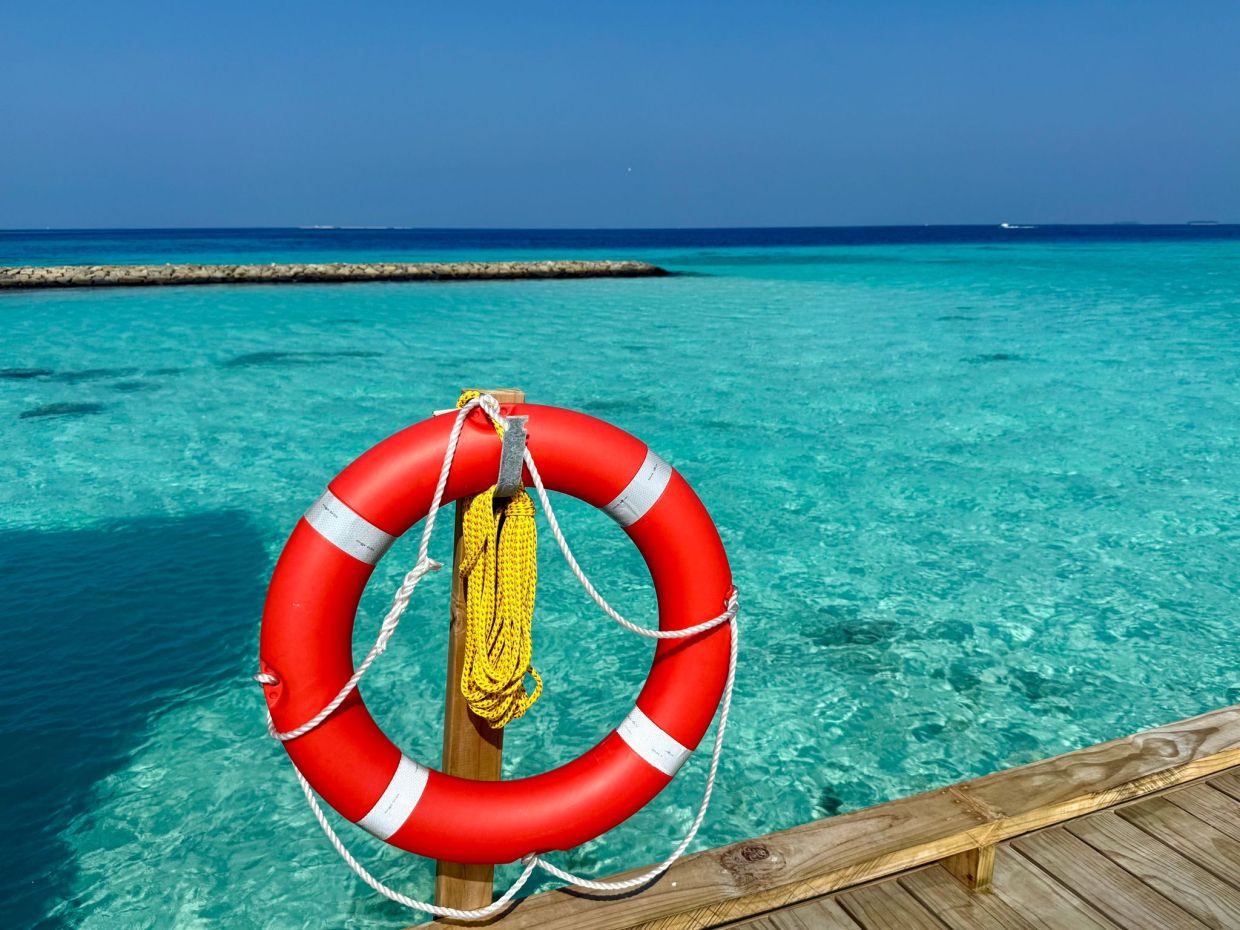
Open-water swimming offers a refreshing escape during Malaysia's warm climate, whether in pristine coastal areas or inland waterways. Yet this seemingly simple recreational activity carries substantial risks that many swimmers underestimate, particularly visitors unfamiliar with local water conditions. The difference between a safe, enjoyable experience and a dangerous situation often hinges on preparation and awareness—factors many people overlook when drawn to the water's inviting coolness.
A critical misconception that leads to accidents is the tendency for swimmers to misjudge their own competence while simultaneously dismissing potential dangers. Peter Dawes, general manager of lifeguard operations at the Royal National Lifeboat Institution, emphasises that people frequently overestimate their swimming abilities and underestimate hazards. Even on scorching days when air temperature feels stifling, water can remain surprisingly cold. This disconnect between perceived and actual conditions catches many swimmers off guard, particularly those accustomed to tropical temperatures who underestimate the physiological shock of entering cooler water.
Before venturing into any open-water environment, thorough reconnaissance is fundamental. Visitors planning to swim at unfamiliar beaches or waterways should gather information about expected weather conditions, wind patterns, and water temperatures beforehand. For coastal locations, understanding tide times is equally essential, as tidal movements can dramatically alter water dynamics and current patterns throughout the day. When lifeguarded facilities are available, speaking directly with personnel provides invaluable local knowledge. Lifeguards possess detailed awareness of specific hazards unique to their area—submerged obstacles, dangerous currents, seasonal variations—and can provide tailored advice for safe swimming times and locations.
Identifying potential hazards requires deliberate, systematic thinking rather than assumptions. Rip currents represent one of the most significant dangers at many beaches, capable of pulling swimmers away from shore with surprising force. Inland waters present different but equally serious threats, including submerged roots, fallen branches, discarded rubbish, and sudden depth changes. Water temperature fluctuations and unpredictable weather developments pose additional risks that swimmers must monitor continuously. Building awareness of these diverse hazards into your pre-swim routine transforms vague caution into practical protection.
Group swimming provides mutual safety benefits that solitary swimmers cannot achieve. Staying with companions means potential witnesses who can alert authorities if problems develop and provides psychological reassurance. At lifeguarded beaches, swimming between the red and yellow flag markers offers statistically higher safety margins. Lifeguards deliberately position these flags to demarcate the safest swimming zone, often placing them on more stable features like sandbars while avoiding nearby areas where dangerous currents or treacherous underwater conditions might exist. Lifeguards cannot monitor the entire beach simultaneously, so concentrating supervision efforts on the flagged area inevitably means swimmers outside this zone lack formal oversight.
Protecting young children demands constant physical proximity and heightened vigilance. Caregivers should maintain arm's-length distance from small children at all times, enabling immediate intervention if problems emerge. Dressing children in distinctly bright, high-visibility clothing significantly improves spotting capabilities in open water, where visual identification becomes challenging amid waves and reflections. These precautions demand patience and commitment but substantially reduce drowning risk for vulnerable swimmers who lack experience and judgment.
Entering open water correctly requires restraint and measured progression rather than enthusiasm and speed. Rather than diving or jumping in, swimmers should wade gradually, allowing their bodies to acclimate to temperature differences and permitting gradual adjustment to water conditions. Many incidents involving cold-water shock—sudden gasping, involuntary breathing patterns, and potential panic—can be prevented through slow, deliberate entry protocols. Wetsuits provide valuable insulation, extending comfortable swimming duration while reducing cold-water risks. Equally important as entry strategy is pre-planned exit awareness; swimmers should mentally identify safe exit points before entering water, avoiding situations where confusion or disorientation about exit routes creates additional emergency hazards.
Water clarity limitations present particular challenges in Malaysian inland waterways and certain coastal areas. Unlike swimming pools where underwater conditions remain visible throughout, natural waters often obscure submerged hazards beneath murky surfaces. Slow entry techniques consequently serve double duty—they minimise injury risk from invisible underwater obstacles while allowing swimmers to detect dangerous features before committing their full body weight. Sudden immersion or rapid entry frequently triggers injuries from submerged objects that careful, gradual entry would permit swimmers to avoid.
Despite precautions, swimmers occasionally find themselves in genuine distress. The physiologically effective survival response involves floating on your back rather than expending energy through panicked struggling. Backfloating positions airway above water level, preserving breathing capacity while allowing body systems to stabilise. This technique demands prior practice in controlled environments like swimming pools, allowing swimmers to develop confidence and familiarity before encountering actual emergency situations. Practised backfloating enables swimmers to conserve energy reserves while awaiting rescue, significantly improving survival outcomes for those experiencing exhaustion or unexpected difficulties.
When witnessing others in apparent distress, immediate emergency notification offers the most effective assistance that untrained bystanders can provide. Attempting rescue without proper training frequently results in additional casualties rather than successful interventions. Coastal emergencies warrant coastguard notification, while inland incidents require fire and rescue service response. These organisations possess specialised training, equipment, and knowledge of local waterways that maximise rescue effectiveness. Prompt, accurate emergency calls—specifying location details and describing the situation clearly—enable responders to mobilise appropriate resources and reach swimmers in genuine danger more rapidly than delayed notifications.
For Malaysian swimmers and visitors, these principles apply across diverse aquatic environments from Peninsular beaches to East Malaysian rivers and lakes. Tropical climate conditions do not eliminate hazards but rather introduce region-specific challenges including powerful currents, unexpectedly strong winds, underwater features unique to local geography, and sometimes limited lifeguard coverage in remote areas. Building systematic safety practices into water recreation habits protects yourself, your family, and companions by ensuring that enjoyment never comes at the expense of basic safety awareness and preparation.

