Electronics and automotive parts manufacturer EPMB has delivered a standout quarterly performance, with net profit leaping nearly 19-fold and revenue climbing to its strongest level in over a decade, driven by the rapid commercialisation of its collaboration partnerships with major Chinese vehicle makers. The results underline how Malaysian manufacturers are increasingly positioned at the heart of Asia's automotive transformation, particularly in the electric vehicle segment where Chinese brands are reshaping regional supply chains.
The company's second-quarter revenue surged 66.6 percent to RM212.7 million, a mark not reached since at least 2016, up from RM127.7 million in the corresponding quarter the previous year. More impressively, earnings per share jumped to 1.80 sen from just 0.10 sen, signalling a dramatic improvement in profitability and shareholder returns. The exceptional growth trajectory reflects the maturation of EPMB's automotive manufacturing platform, which has evolved from a component supplier into a significant production partner for multiple international carmakers seeking to establish regional manufacturing footprints.
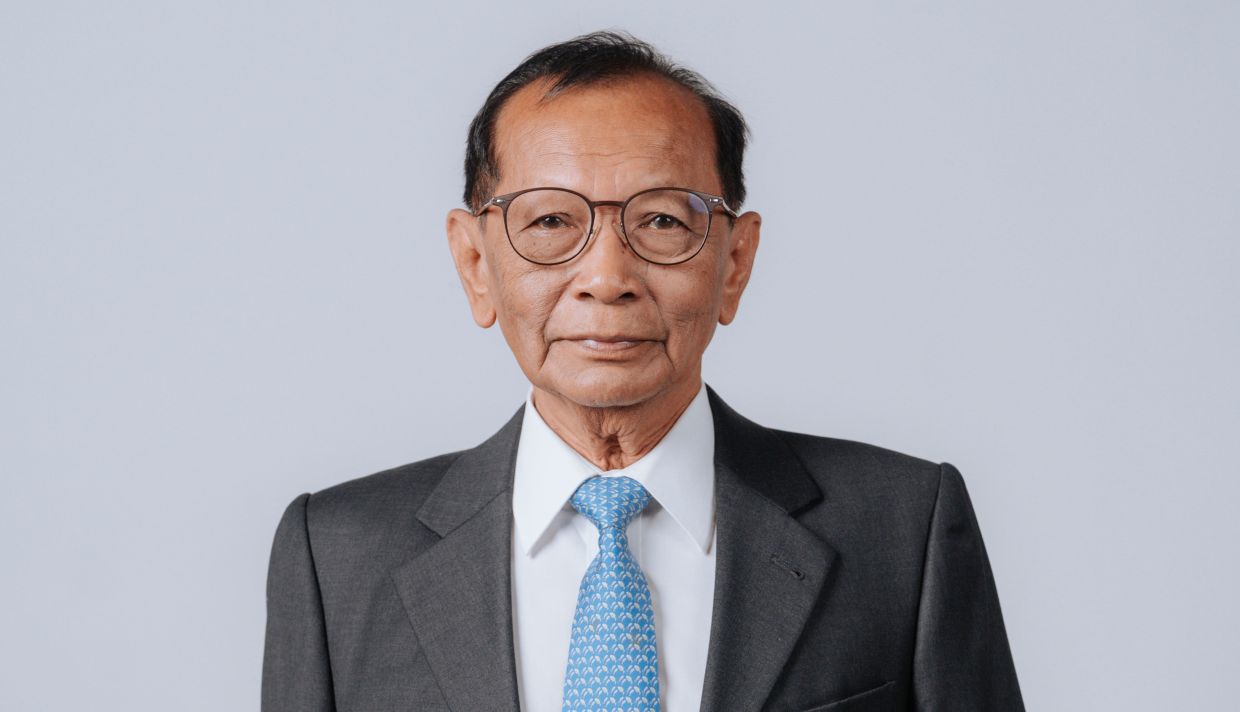
Central to this turnaround is EPMB's strategic pivot toward collaborations with leading Chinese automotive manufacturers. The company now partners with Great Wall Motor (GWM), SAIC-MG, and XPENG, collectively representing some of China's most ambitious automakers venturing into Southeast Asian markets. In the second quarter alone, combined production volumes across these three partnerships exceeded 1,000 vehicles monthly, a milestone that signals the transition from pilot programmes to sustained commercial operations. Executive chairman Hamidon Abdullah framed this achievement as validation of the company's operational capabilities and strategic foresight in positioning Malaysia as a manufacturing base for Chinese brands targeting regional expansion.
The momentum extends beyond quarterly snapshots. During the first half of 2026, EPMB's net profit expanded to RM6.7 million from RM1.05 million in the comparable period previously, while revenue climbed 47.2 percent to RM372.9 million from RM253.2 million. This consistency across consecutive quarters suggests the growth is structural rather than cyclical, reinforcing investor confidence in the company's medium-term trajectory. The company's ability to convert partnership announcements into measurable production volumes places it ahead of many competitors still in early-stage discussions with international automotive groups.
Investment in physical infrastructure underpins EPMB's ambitions for sustained expansion. The company commenced construction in June of a dedicated vehicle painting facility in Pegoh, Melaka, a facility designed to deepen vertical integration within its manufacturing operations. Rather than relying solely on contract manufacturing arrangements, EPMB is progressively acquiring capability across the automotive value chain, from component supply through to assembly and finishing processes. This strategic buildout reduces dependencies on external partners and strengthens the company's margin profile while improving delivery reliability for clients. The Melaka facility specifically addresses a critical production bottleneck that typically constrains EV assembly operations across the region.
Parallel to its Chinese EV partnerships, EPMB is deepening relationships with Malaysia's domestic automotive champions. The company has secured new component supply contracts for forthcoming Proton and Perodua models, ensuring revenue diversification beyond the Chinese partnership focus. Combined with its established seat manufacturing operations, these domestic arrangements provide counterbalance to international partnerships while leveraging existing relationships with national brands. The strategy reflects recognition that Malaysia's automotive future likely encompasses both Chinese EV players and homegrown manufacturers navigating the transition to electrification. By maintaining presence across both segments, EPMB avoids over-concentration on a single market narrative while positioning itself as a broadly capable manufacturing platform.
For Malaysia's broader industrial policy, EPMB's trajectory illuminates the opportunities and complexities of the country's pivot toward higher-value manufacturing. The company exemplifies how Malaysian facilities can attract advanced manufacturing activity from leading international players when capabilities, operational discipline, and strategic location align. Yet the concentration of growth within Chinese partnership arrangements also raises questions about long-term dependency and local value capture. As EPMB expands its painting facility and deepens integration, the distribution of profits, technology transfer, and skills development will increasingly influence whether this manufacturing renaissance translates into sustained domestic prosperity or remains primarily a conduit for external capital flows.
Looking ahead, EPMB's management has articulated an explicit vision of transforming the company into a one-stop automotive manufacturing hub serving global brands while supporting Malaysia's positioning as a regional production and export powerhouse. This aspiration aligns with government industrial policy emphasising high-technology manufacturing and export-oriented growth, particularly in automotive and electric vehicle sectors where Southeast Asia lacks established dominance. If realised, this vision would position EPMB not merely as a supplier but as an infrastructure platform comparable to contract manufacturers that have emerged as essential intermediaries within global supply chains. Success hinges on maintaining operational discipline, securing further partnership commitments, and executing capital programmes on schedule. The next phase of EPMB's evolution will test whether the company can sustain quarterly growth momentum while navigating the competitive pressures intensifying as more regional players pursue similar manufacturing hub positioning.

