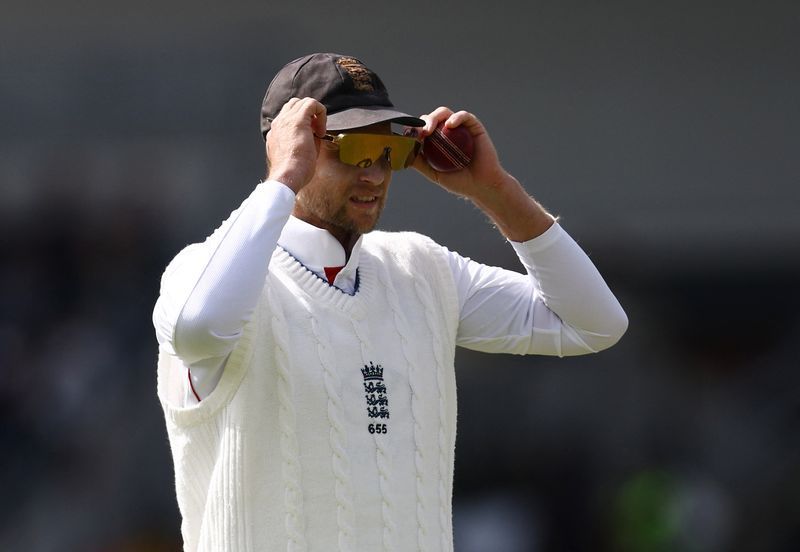
England captain Joe Root has made clear his exasperation with the mounting off-field controversies engulfing his team, declaring himself thoroughly disappointed after fast bowler Brydon Carse's involvement in yet another nightclub incident. Speaking to reporters on Tuesday, Root pulled no punches in describing his irritation at what he characterises as a persistent pattern of lapses in judgment that undermines the squad's broader mission on the cricket field.
Carse's removal from the England squad for the second test against Pakistan—which commences Thursday at Lord's—follows the emergence of social media footage appearing to show the 31-year-old in police custody during an interaction with law enforcement officers. The England Cricket Board moved swiftly to drop the pace bowler as a precautionary measure, despite Carse being briefly detained and subsequently released without formal charges being pursued. The incident represents the latest chapter in a troubling sequence of nightclub-related controversies involving national team players.
The pattern has become increasingly difficult for team leadership to ignore. Within a relatively compact timeframe, the England squad has contended with similar incidents involving several high-profile figures: batter Harry Brook, fellow batter Ben Duckett, Gus Atkinson, and former captain Ben Stokes have all found themselves at the centre of nightclub-related episodes. The frequency of these occurrences has prompted observers and commentators to question whether a permissive drinking culture has taken root within the England setup, potentially eroding the professional standards expected of international athletes.
Root's language revealed the depth of his frustration with the recurring nature of these missteps. "If I'm being brutally honest, I'm really hacked off. I'm really disappointed," he stated, emphasising that his concern extended beyond any single isolated incident. Rather, he framed the challenge as systemic—a series of repeated poor decisions made away from the playing arena that cumulatively damage the team's standing and distract from their competitive endeavours.
Since assuming the captaincy following Ben Stokes's retirement from international cricket, Root has inherited significant responsibility for establishing the cultural framework within which the squad operates. His remarks suggest a captain acutely aware that building a winning team requires not merely tactical acumen or individual technical excellence, but the establishment of behavioural standards that command respect and reflect positively on English cricket globally. The incidents represent obstacles to that ambitious vision.
Root acknowledged that the players have engaged seriously with the issues raised by these incidents and appear to comprehend the gravity of the situation. He highlighted conversations held within the squad regarding expectations and what representing England at international level demands of its professionals. "Clearly we're not portraying ourselves how we want to. I think we've got an opportunity to build a culture that's very strong, something we can be proud of," Root said, articulating both a present shortcoming and a forward-looking aspirational goal.
Crucially, Root tempered his criticism with compassion when discussing Carse's personal circumstances. The captain revealed that he has spoken directly with the bowler since the incident became public and confirmed that Carse is experiencing genuine remorse. "When I first found out, my first concern was him as a person," Root explained, suggesting that beneath the frustration lies concern for the individual player navigating what is clearly a difficult period. Root's assessment that Carse is "very upset, very apologetic and understands his actions" implies a level of self-awareness on the player's part.
Sonny Baker has been drafted into the squad to replace Carse for the second test encounter, allowing England to proceed with its Pakistan series without further disruption. The independent Cricket Regulator has initiated a formal investigation into whether Carse's conduct breached the ECB's code of conduct, representing a further institutional process that will unfold in parallel to the team's immediate competitive schedule.
For Malaysian and Southeast Asian readers, the England situation offers instructive perspective on the governance challenges facing elite sporting organisations regardless of geography or sport. The tension between fostering a competitive culture and maintaining disciplinary standards is universal, as is the inherent difficulty of managing the off-field behaviour of highly compensated professional athletes. The incidents underscore how reputational damage accumulates incrementally through repeated lapses, each one arguably reinforcing rather than challenging problematic behaviour.
England's broader performance context adds another layer to these developments. The national side secured victory in the opening test against Pakistan by an innings and 103 runs, demonstrating that competitive success remains achievable notwithstanding the off-field turbulence. The remaining fixtures—the second test at Lord's and a third test in Birmingham scheduled for later in August—will test whether Root's squad can maintain focus and deliver results whilst simultaneously addressing what Root characterises as a cultural deficit requiring urgent remediation.
Root's public statements function simultaneously as a rebuke to undisciplined behaviour and as an appeal to his players to elevate their collective standards. Whether such leadership exhortations prove sufficient to address ingrained patterns remains uncertain, yet his willingness to confront the issue directly rather than minimise it suggests an captain determined to reset expectations within the England camp as he seeks to establish a stronger foundation for future success.

