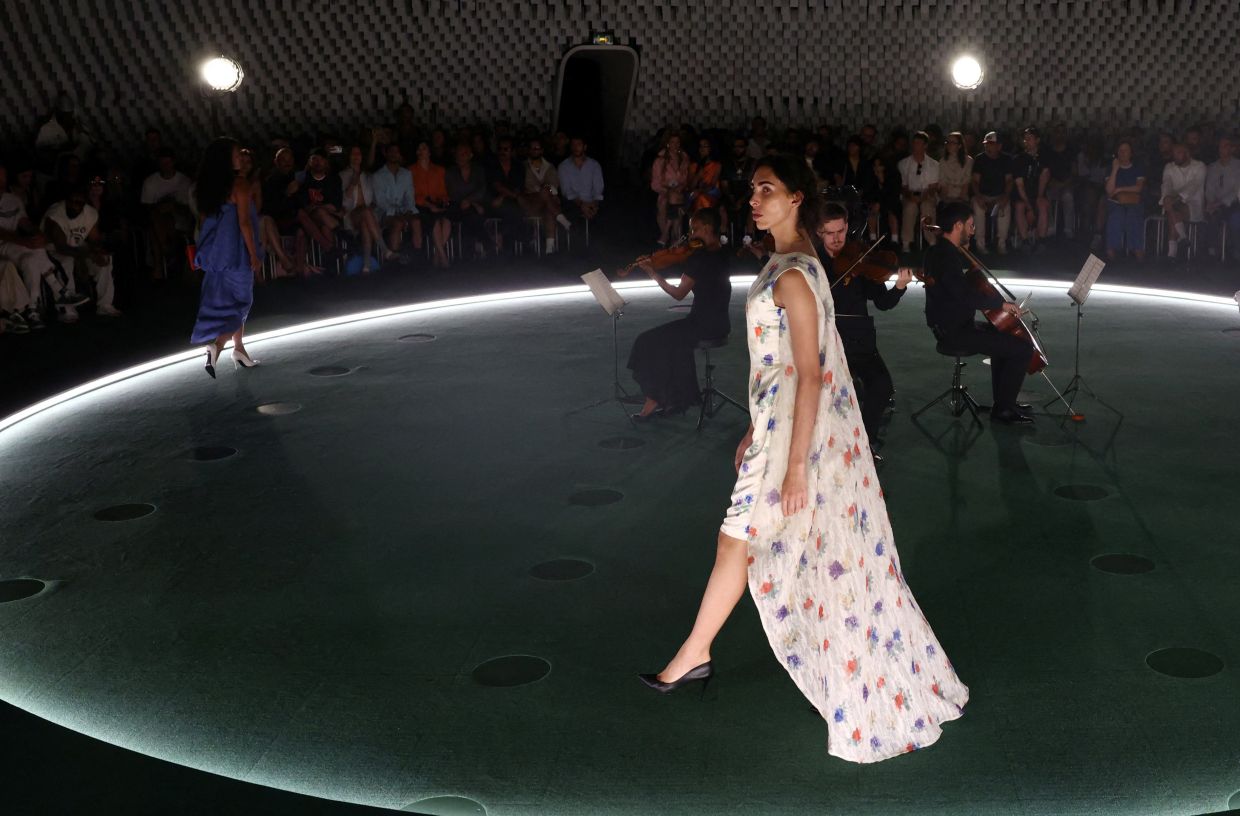
The fashion industry is experiencing a dramatic surge in sleeveless garments, driven by environmental concerns, shifting gender norms, and the rise of fitness culture. This trend shows no signs of slowing, with major fashion houses and celebrity influencers increasingly embracing the bare-armed aesthetic. For Malaysian readers, this global shift carries particular relevance as tropical climates make practical dressing a year-round consideration, yet professional and cultural expectations around modesty remain deeply entrenched in workplaces and formal settings across Southeast Asia.
The scale of this market expansion is staggering. Cognitive Market Research projects the global sleeveless clothing sector will nearly double from US$24.36 billion in 2021 to exceed US$51.39 billion by 2033, equivalent to approximately RM99.38 billion growing to RM209.65 billion. These figures underscore how thoroughly sleeveless silhouettes have penetrated mainstream fashion consciousness, transforming from niche trend to mainstream staple. Fashion search engine Tagwalk documented a 133% increase in sleeveless looks within Spring 2026 collections compared to Spring 2025, evidence of designers' overwhelming commitment to the trend.
Designer Willy Chavarria's recent Paris Fashion Week presentation exemplified this momentum, with sleeveless offerings substantially outperforming traditional sleeved pieces across recent seasons. The visibility extends beyond runways into everyday media consumption—turn on any news broadcast and you'll observe female anchors routinely presenting in sleeveless dresses, normalising arm exposure across professional environments previously governed by conservative dress codes. This visibility matters particularly in Malaysia and the region, where international media influence shapes local workplace standards while traditional expectations about feminine modesty persist.
Environmental pragmatism underpins much of this shift. As global temperatures climb and summers grow increasingly oppressive, consumers naturally gravitate toward fabrics that offer cooling relief and minimal coverage. For tropical nations like Malaysia, the appeal is obvious, yet cultural reservations about arm exposure remain stubbornly persistent. The tension between climatic necessity and social conditioning creates a uniquely Southeast Asian dilemma: practical dressing conflicts with ingrained propriety norms, leaving many professional women caught between physical comfort and perceived appropriateness.
Yet the psychology underlying women's reluctance to embrace sleevelessness runs deeper than mere weather considerations. Arms function as biological markers of age in ways that even facial cosmetic procedures cannot entirely mitigate. The triceps area, underarm accumulation, ligament visibility, and overall skin texture betray chronological time with merciless accuracy. Many women report that exposing arms feels tantamount to publicly announcing their age, a vulnerability made more acute in youth-obsessed cultures where professional advancement sometimes correlates with youthful appearance. This dynamic affects women across socioeconomic strata, but particularly impacts those navigating career progression in competitive fields.
The historical dimension complicates matters further. Women's arms have long occupied contested territory in professional and public discourse. For decades, particularly sculpted female biceps drew dismissal as unfeminine, while women were consistently counselled to obscure their arms in workplace settings. The racialized controversy surrounding Michelle Obama's sleeveless white House portrait demonstrated how arm exposure remains freighted with cultural meaning far beyond fashion choice. Her decision to wear a sleeveless sheath dress sparked heated national debate about appropriateness and empowerment, revealing how deeply embedded discomfort with female arm exposure remains in institutional cultures. The United States House of Representatives only changed its sleevelessness dress code in 2017, with the Senate following two years later, illustrating how recent this shift toward acceptance truly is.
For professional women in Malaysia and Southeast Asia, these international debates hold particular resonance. Many multinational corporations headquartered in more conservative regions maintain dress codes reflecting older standards, creating friction between global fashion trends and local implementation. Female executives and professionals often navigate unwritten expectations about propriety that differ markedly from what colleagues in Western headquarters observe. The sleeveless debate thus becomes not merely aesthetic but fundamentally political—choices about arm exposure implicitly signal alignment with either traditional femininity or modern progressive values.
Designer Antonin Tron of Balmain articulates a transformative perspective: aging bodies possess inherent beauty, and female sexuality need not diminish with chronological progression. This philosophy invites reconsideration of how women internalise ageist messaging about their bodies. Arms, after all, represent functionality and strength—they've lifted children, typed manuscripts, delivered presentations, moved furniture, and embraced loved ones. Reconceptualising arms as repositories of lived experience rather than aesthetic liabilities opens psychological space for acceptance.
For those hesitant about full embrace of sleevelessness, practical strategies exist. Alexandra Van Houtte and fashion professionals recommend beginning with simple sleeveless pieces paired with attention-drawing accessories—striking necklaces or bangles that redirect visual focus toward facial area and jewellery rather than arms themselves. This graduated approach allows testing comfort levels without full commitment. Cold-shoulder styles and open-arm designs provide compromise aesthetics, occupying middle ground between traditional sleeves and complete exposure. Sheer or transparent layering over sleeveless garments creates visual scrim while maintaining the silhouette's essential character.
Cap sleeves offer another palliative option, providing minimal coverage while maintaining arm visibility. Equally important is armhole construction—pieces cut high under the arm but not constrictingly tight prevent gaping and unflattering gaps. Proper fit alleviates much of the self-consciousness that accompanies arm exposure, as tension and bulk magnify insecurity. These technical considerations demonstrate that fashion's supposed binary—sleeves or sleevelessness—permits numerous nuanced positions, allowing women to navigate personal comfort while engaging with contemporary trends.
For Malaysian and Southeast Asian readers, the sleeveless debate represents broader tensions around modernisation, cultural identity, and professional advancement. Adopting sleeveless fashion needn't constitute rejection of traditional values or professional standards. Rather, thoughtful engagement with the trend—selecting pieces that align with personal comfort, workplace context, and individual aesthetics—permits participation in global fashion conversation without compromising authenticity or appropriateness. The growing market dominance of sleeveless pieces ensures women increasingly encounter these garments in retail environments, making informed decision-making essential rather than optional.

