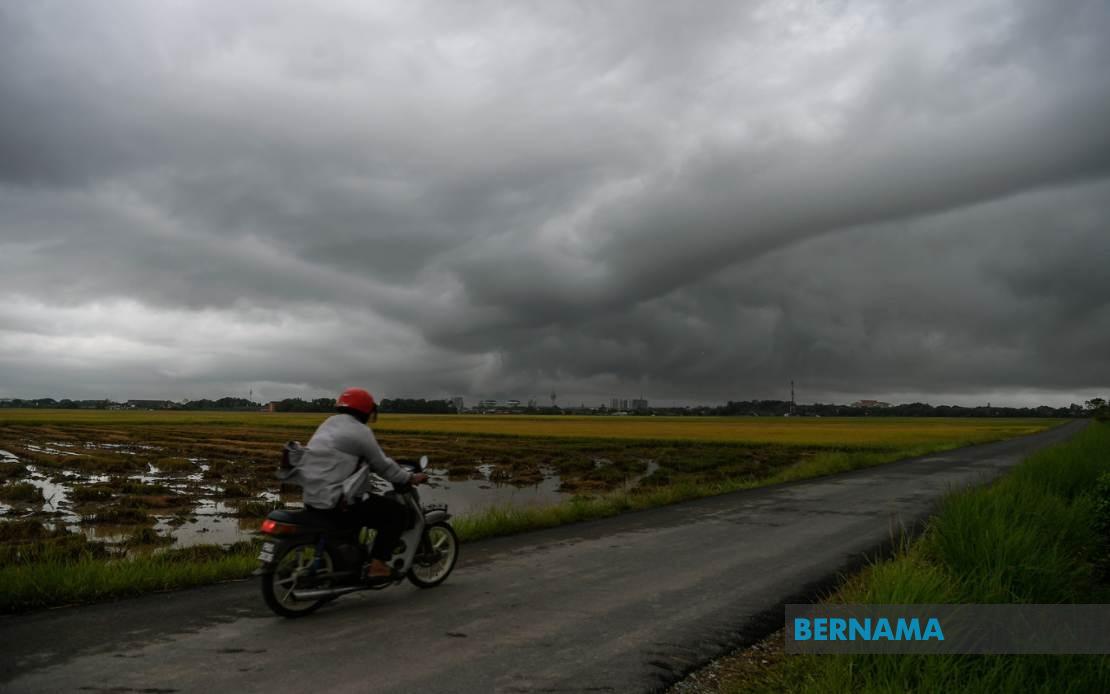
The Malaysian Meteorological Department has issued a severe weather alert affecting multiple districts across the peninsula and East Malaysia, cautioning residents and travellers to prepare for dangerous atmospheric conditions. The warning, active until 6 pm today, encompasses thunderstorms, intense rainfall, and gusty winds that could disrupt daily activities and pose safety risks to those outdoors.
The alert covers a geographically scattered collection of districts, beginning with five areas in Kedah—Kota Setar, Yan, Pendang, Kuala Muda, and Sik—where residents should expect particularly unstable weather patterns typical of the season. In Perak, the warning applies to Manjung and Perak Tengah, two regions historically vulnerable to flash flooding and landslides during heavy downpours. Terengganu's Kemaman district also falls within the alert zone, reflecting the department's assessment that atmospheric conditions are primed for severe convective activity across multiple states simultaneously.
The warning extends across the central peninsula as well. Kuantan in Pahang has been identified as facing heightened risk, a significant designation given the district's topography and drainage challenges. Hulu Langat in Selangor, a densely populated area surrounding Kuala Lumpur, is also included in the alert, underscoring the potential for disruptions affecting the capital region and its suburbs. In Negeri Sembilan, both Jelebu and Seremban have been flagged, suggesting the low-pressure system has sufficient geographic reach to impact the state's key population centres.
East Malaysia figures prominently in today's warning, reflecting the monsoon patterns that regularly affect Sabah and Sarawak during this period. In Sarawak, coastal areas including Sarikei—which encompasses Sibu—and Mukah, which spans Tanjung Manis and Daro, are under alert. These districts, while accustomed to seasonal rains, remain vulnerable to the sudden intensification that characterises thunderstorm activity. The warning for Sabah covers three distinct regions: the Interior Division encompassing Keningau and Tambunan, areas prone to landslides; the West Coast Division including Papar and Penampang, where drainage systems can become overwhelmed; and Sandakan's Kinabatangan division, which experiences frequent weather-related disruptions.
The breadth of the warning across such disparate regions suggests a widespread atmospheric system rather than isolated storm cells. MetMalaysia's decision to alert eight states simultaneously indicates confidence that conditions meeting warning thresholds—likely including rainfall intensity projections and wind speed forecasts—will materialise across all identified areas. The specificity of district-level warnings reflects the department's enhanced forecasting capabilities and commitment to providing actionable information to local authorities and the public.
For Malaysian residents and businesses, such alerts carry immediate practical implications. Transportation networks, particularly in hilly or flood-prone districts, may experience disruptions during the warning window. Outdoor events and construction activities typically halt during such periods to protect worker safety. Farmers and agricultural stakeholders, particularly in affected areas of Kedah and Perak, monitor such warnings closely as crop damage from wind and waterlogging remains a persistent concern. Schools and government offices may adjust operating hours or activities based on local conditions.
The timing of this warning—issued for a single afternoon—reflects the short-term, high-intensity nature of thunderstorm systems. Unlike monsoon-scale weather patterns that persist for weeks, convective storms can develop and dissipate relatively quickly, which is why MetMalaysia's alerts are typically confined to specific hours rather than extended periods. The 6 pm expiration suggests the department expects the most unstable atmospheric conditions to subside by early evening, though residents should remain cautious as individual thunderstorms can occur sporadically beyond official warning periods.
Climate and weather patterns across Southeast Asia have become increasingly unpredictable in recent years, making accurate forecasting and timely public alerts crucial for disaster preparedness. Malaysia's meteorological infrastructure represents a regional strength, enabling the nation to provide residents with relatively precise warnings that support effective emergency planning. Citizens are generally advised to check official MetMalaysia updates, secure loose outdoor items, avoid flood-prone areas, and refrain from unnecessary travel during severe weather windows.
The geographic distribution of today's alert—spanning from Kedah in the north through the peninsula's centre to Sabah and Sarawak—demonstrates that adverse weather systems can affect vast territories simultaneously. Coordination between the Malaysian Meteorological Department and state disaster management agencies ensures that warnings translate into concrete preparation measures at local level. For those in affected areas, remaining alert to updates and heeding safety guidance remains essential until conditions stabilise.

