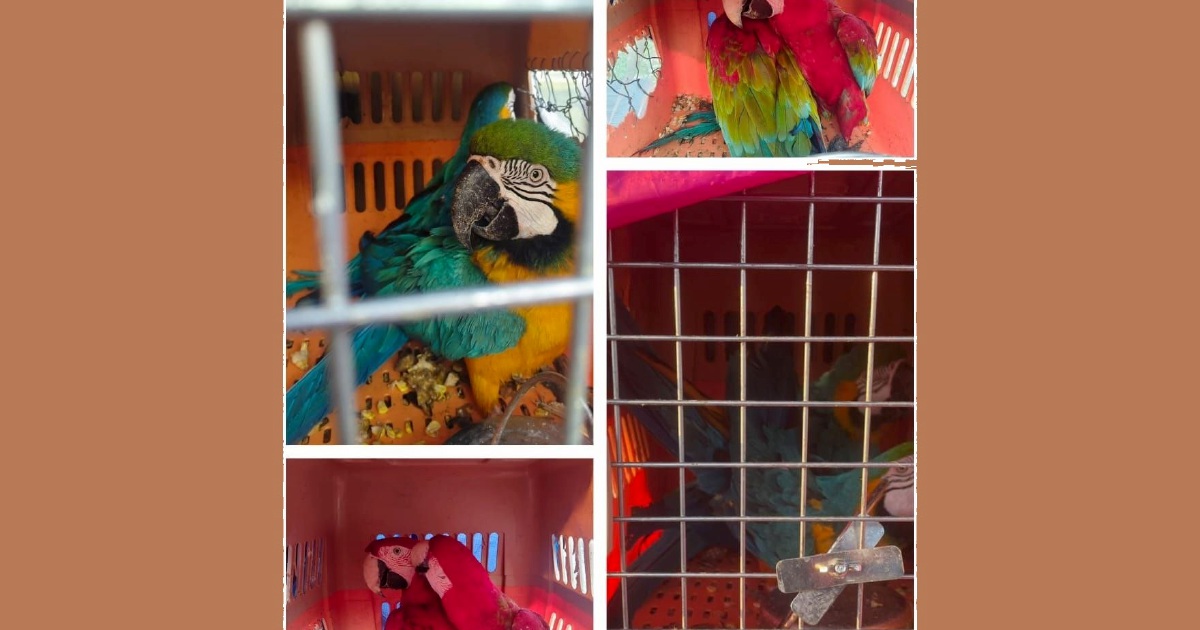
A significant wildlife trafficking operation was dismantled in Kelantan when authorities apprehended two men transporting eight protected macaws valued at approximately RM400,000 during an enforcement drive along Jalan Bandar Tumpat. The seizure underscores the persistent challenge of illegal wildlife smuggling affecting Malaysia's biodiversity conservation efforts, particularly in states along established smuggling corridors that service international black markets for exotic birds.
The two suspects, described as close associates, were intercepted during the operation that focused on monitoring trafficking activities in the region. The macaws recovered represent a substantial confiscation of protected avian species, as these colourful and highly prized birds command significant prices among smuggling networks and private collectors in Asia and beyond. The value attributed to the shipment reflects the lucrative nature of the illegal wildlife trade, which continues to incentivise criminal networks despite increasing enforcement and regulatory measures.
Macaws are among the world's most trafficked bird species, coveted for their striking appearance, intelligence, and relative rarity in their native South American habitats. In Asia, demand from wealthy collectors and the exotic pet market drives substantial smuggling operations. Malaysia's geographical position as a major transhipment hub for contraband goods, coupled with its ports and porous land borders, makes it an attractive conduit for wildlife trafficking networks seeking to move protected species between source countries and destination markets. The availability of substantial profit margins—the RM400,000 valuation indicates markups well into the hundreds of percent—perpetuates these illicit operations despite regulatory frameworks.
The interception reflects efforts by Malaysian wildlife authorities to tighten enforcement against trafficking. However, the scale and frequency of seizures suggest that enforcement capacity remains strained across the country. Kelantan, situated on Malaysia's east coast with proximity to Thailand and established smuggling networks, represents a particularly vulnerable area for wildlife trafficking. The state's maritime and terrestrial entry points require constant vigilance to prevent illegal shipments from entering or transiting Malaysian territory.
Protected species like macaws face escalating extinction pressures in their native ecosystems, where habitat destruction and poaching already threaten wild populations. International agreements including the Convention on International Trade in Endangered Species (CITES) classify most macaw species as requiring export permits and trade restrictions. The continued smuggling of these birds undermines global conservation initiatives and the collaborative efforts of nations working to preserve endangered avian populations. Each illegal removal of breeding individuals from wild or captive breeding populations diminishes genetic diversity and population viability.
The detention of the two suspects initiates legal proceedings that will determine penalties under Malaysia's wildlife protection legislation. Convictions for smuggling protected species typically result in substantial fines and imprisonment, reflecting the serious nature of these offences. Repeat enforcement actions demonstrate that existing penalties, while theoretically stringent, may not sufficiently deter well-organised smuggling syndicates capable of absorbing occasional losses as operational costs within their broader criminal enterprises.
The case illustrates the complexity of combating wildlife trafficking, which requires not only field enforcement but also intelligence gathering, port security measures, and international cooperation. Smuggling networks operate across borders and often coordinate movements with customs brokers, corrupt officials, and transportation intermediaries, creating multiple chokepoints where detection remains possible but challenging. The successful interception in Tumpat likely resulted from intelligence work or routine checks, emphasising the importance of sustained surveillance and intelligence sharing among enforcement agencies.
Malaysia's role in addressing wildlife trafficking extends beyond domestic enforcement to regional cooperation. The Association of Southeast Asian Nations (ASEAN) has recognised wildlife trafficking as a critical transnational crime requiring coordinated action. Cross-border smuggling of protected species, particularly between Thailand, Malaysia, and Singapore, remains commonplace. Enhanced information sharing, joint operations, and harmonised legal frameworks across Southeast Asia could strengthen interdiction efforts and make trafficking routes less predictable and profitable.
The Kelantan seizure also highlights the demand-side challenges driving trafficking. Wealthy collectors in Asia continue purchasing illegal exotic birds, often through channels disguised as legal imports or domestic captive-bred specimens. Consumer awareness campaigns and enforcement against end-buyers remain underdeveloped compared to supply-side interventions focused on smugglers and wildlife poachers. Until the profitability of acquiring protected species diminishes through reduced demand or increased buyer risks, trafficking networks will continue attempting shipments despite enforcement risks.

