Federal prosecutors in the United States have charged eight individuals with plotting to attack a mixed martial arts event at the White House, marking a significant domestic security concern that underscores ongoing threats to high-profile government gatherings. The Department of Justice announced the charges on Thursday against men accused of conspiracy to provide material support to terrorists, conspiracy to commit murder on federal property, and conspiracy to murder a federal official. These are among the most serious charges available under American law, carrying potential life sentences for those convicted.
The alleged operation represented a multi-phase attack strategy of considerable sophistication. According to authorities, the conspirators planned to deploy drone-mounted explosives around the venue to trigger an evacuation of attendees, after which they intended to position snipers to eliminate what prosecutors described as "high-value targets" fleeing the location. This layered approach suggests advance planning and coordination among the accused, combining technological systems with traditional weaponry to maximise casualties and chaos.
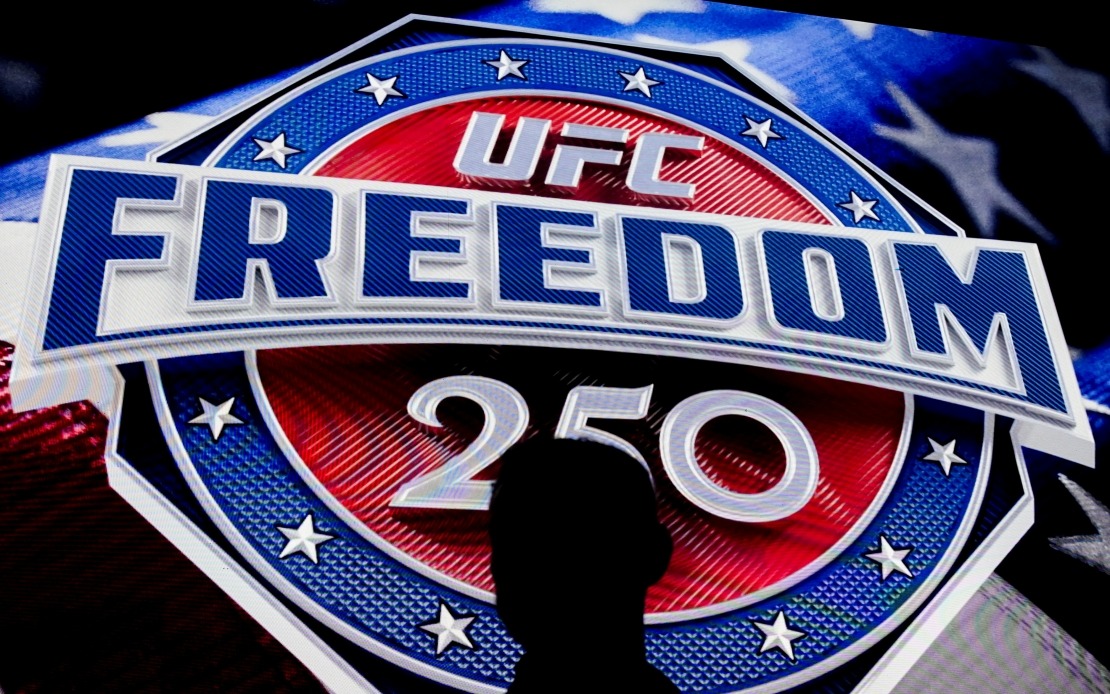
The event in question was UFC Freedom 250, hosted by the Ultimate Fighting Championship and held on June 14 at a specially constructed arena on the grounds of the White House. The gathering drew significant attendance from the nation's political elite, including President Donald Trump himself, members of his immediate family, and several cabinet-level officials. While the event coincided with Trump's 80th birthday celebration, organisers officially designated it as part of the broader commemoration of America's 250th anniversary of independence, despite the Independence Day holiday falling on July 4.
The investigation and prosecutions reveal the evolving nature of security challenges facing the United States government. Seven of the eight accused men were arrested following earlier law enforcement operations, but authorities apprehended an eighth suspect, a 21-year-old identified as the intended sniper operative, only this week in West Virginia. The staggered arrest pattern suggests an ongoing investigation with continued developments, as federal agents worked systematically to dismantle the alleged conspiracy network.
For Malaysian observers, this incident highlights the sophisticated nature of modern security threats targeting government institutions and public figures, particularly at events drawing concentrated attendance of senior officials. The use of drone technology in a proposed attack reflects how traditional terrorism tactics have evolved to incorporate commercially available devices that pose novel detection and interception challenges. Security agencies across Southeast Asia, including Malaysia, must grapple with similar technological asymmetries when protecting high-level events.
The scale and seriousness of the charges reflect American prosecutorial confidence in the evidence gathered. Conspiracy charges allow the government to prosecute individuals for planning and agreement to commit crimes, even if the attacks were prevented before execution. The specification of federal property and federal officials as targets indicates that prosecutors viewed this as a direct assault on the machinery of government itself, elevating the perceived severity beyond a general act of violence.
The White House as a venue presents exceptional security complexity. The residence and workplace of the sitting president necessarily attracts intensive protective measures, yet hosting public events there creates inherent vulnerabilities. The decision to hold a major sporting entertainment event with thousands of attendees at such a location requires balancing security imperatives with the symbolic importance of demonstrating governmental accessibility and the ability to conduct normal activities despite security threats.
The timing of this alleged plot—targeting an event celebrating American independence alongside the president's personal milestone—suggests the conspirators may have attached symbolic significance to their intended action. Such motivation patterns sometimes indicate ideological extremism, whether rooted in anti-government sentiment, foreign allegiance, or other forms of radicalization. American law enforcement has increasingly focused on identifying and disrupting such plots during the investigation phase rather than waiting for overt acts of violence.
For regional security analysts, the case demonstrates how law enforcement agencies share intelligence across jurisdictional lines when federal interests are at stake. The involvement of a grand jury in Columbus, Ohio, combined with an arrest in West Virginia, illustrates the multi-state coordination required for comprehensive investigations into complex conspiracies. This model parallels international cooperation frameworks increasingly employed in Southeast Asia to combat terrorism and organised crime.
The charges announced by the Department of Justice also reflect broader American governmental concern about domestic security threats in an era when political polarisation and online radicalization pathways have expanded recruitment possibilities for extremist movements. The specificity of the alleged plot—including technical details about drone deployment and sniper positioning—suggests intelligence gathering had progressed considerably, indicating either informant penetration or electronic surveillance of planning discussions.
Looking forward, this case will likely influence security protocols for major government events across the United States. The proven threat from drone-based attacks, combined with traditional small-arms deployments, will necessitate enhanced detection systems and counter-drone capabilities at future high-profile gatherings. Malaysian government agencies monitoring international security trends can expect refinements to American protective protocols that may subsequently inform regional security practice.
The prosecution of these eight individuals represents an important validation of preventive security approaches, where law enforcement disrupts alleged plots during planning rather than responding to completed attacks. While such measures raise civil liberties questions in democratic societies, the severity of the alleged conspiracy and the potential for mass casualties at a government venue suggest American authorities deemed intervention justified. This balance between security and civil liberties remains actively debated in democratic nations, including Malaysia, as governments strengthen capabilities to detect and prevent violent extremism.

