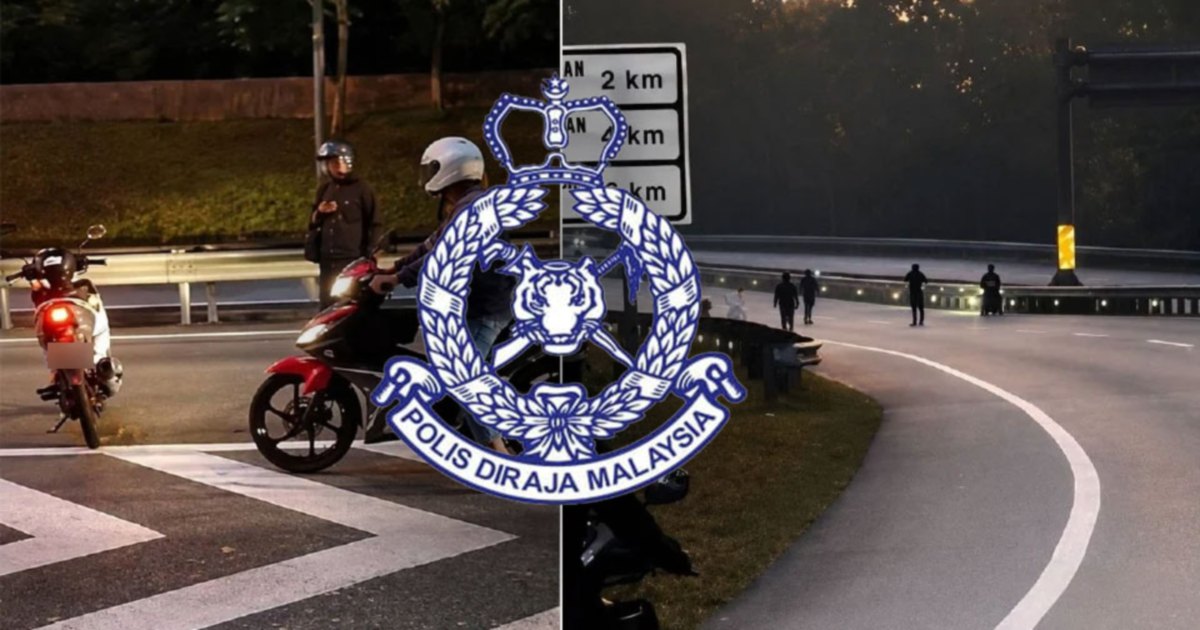
Police in Kulai have made eight arrests following the circulation of a viral video documenting an elaborate scheme to block a section of the Malaysia-Singapore Second Link, locally known as Linkedua, for the purpose of staging an unsanctioned motorcycle race. The incident, which drew widespread attention on social media, has prompted authorities to intensify their crackdown on reckless driving behaviour and unauthorised road closures that endanger public safety and disrupt critical transport infrastructure.
The viral footage depicting the closure captured images of motorcyclists engaging in high-speed racing on what appears to be a controlled section of the expressway, with other individuals seemingly orchestrating the blockade. This brazen act on one of the country's most important transport corridors—a vital link connecting Malaysia to Singapore handling substantial daily traffic volumes—has sparked significant concern among law enforcement and road safety advocates alike.
The Linkedua, officially the Second Crossing between Malaysia and Singapore, serves as a critical economic and logistical artery for both nations. Daily traffic congestion on this route reflects its importance to regional commerce, with thousands of vehicles, including heavy commercial trucks and passenger vehicles, traversing the bridge hourly. Any deliberate obstruction of this crossing represents not merely a traffic violation but a potential threat to bilateral trade, supply chain continuity, and public safety across a major international thoroughfare.
The staging of illegal street races on public roads remains a persistent problem in Malaysia, particularly among younger enthusiasts who document their activities for social media engagement. These events typically involve minimal traffic management, no emergency medical personnel on standby, and complete disregard for other road users. The Linkedua incident exemplifies how such activities have escalated in audacity, moving from back roads and industrial areas to high-visibility international bridges.
Authorities have intensified monitoring of social media platforms where such events are frequently advertised and documented, recognising that viral videos serve as both evidence for prosecution and promotional material for future gatherings. The arrest of eight individuals involved in this particular incident represents a coordinated law enforcement response aimed at dismantling the organisational structure behind such events rather than merely apprehending individual participants.
The consequences of illegal racing extend beyond criminal liability. Participants and organisers face potential charges under multiple legislative frameworks, including the Road Transport Act, which carries penalties including substantial fines and imprisonment. Insurance coverage is typically void in cases involving illegal racing, leaving victims of accidents with limited recourse for compensation. Additionally, convictions can result in licence suspension or cancellation, effectively ending perpetrators' ability to drive legally in Malaysia and across ASEAN nations recognising such convictions.
Malaysian authorities have been escalating enforcement measures against such activities in recent years, recognising the correlation between illegal racing and fatal traffic accidents. The dramatic nature of the Linkedua incident—the coordination required to close an international bridge, even temporarily—suggests the involvement of organised groups with technical knowledge of traffic patterns and sufficient numbers to effect a coordinated closure. This level of organisation indicates that casual enforcement responses are insufficient; sustained investigation and intelligence gathering become necessary to dismantle such networks.
For Malaysian drivers and businesses reliant on the Linkedua for daily operations, such incidents represent more than spectacle; they symbolise the vulnerability of critical infrastructure to deliberate disruption. Commuters, logistics companies, and cross-border traders depend on predictable access to this route. Each incident that forces temporary closures or triggers police investigations creates ripple effects throughout regional supply chains and adds cost to already time-sensitive operations.
The international dimension of this incident deserves particular attention. As one of Malaysia's primary links to Singapore, the Linkedua remains subject to protocols and agreements between both governments regarding security, traffic management, and emergency response. Unauthorized activities on this crossing have diplomatic implications, potentially prompting discussions between authorities about enhanced security measures or revised traffic protocols that could affect thousands of daily commuters.
Looking forward, the investigation into these eight suspects will likely extend beyond simple illegal racing charges. Authorities typically pursue questions regarding funding for such events, the extent of social media promotion and ticket sales, and the identities of other participants or organisers who may remain at large. The level of coordination demonstrated suggests a hierarchical structure with organisers, traffic controllers, lookouts, and participants operating in distinct roles.
This incident serves as a sobering reminder of how quickly public roads—especially critical infrastructure like the Linkedua—can be compromised by groups motivated by thrill-seeking and social media recognition. The involvement of eight arrested individuals in a single event underscores the necessity for sustained public education campaigns highlighting the legal, financial, and personal safety consequences of illegal racing. As authorities continue their investigation, Malaysian drivers should remain vigilant about unexpected roadblocks or unusual activity on expressways, and report suspicious behaviour to police immediately.

