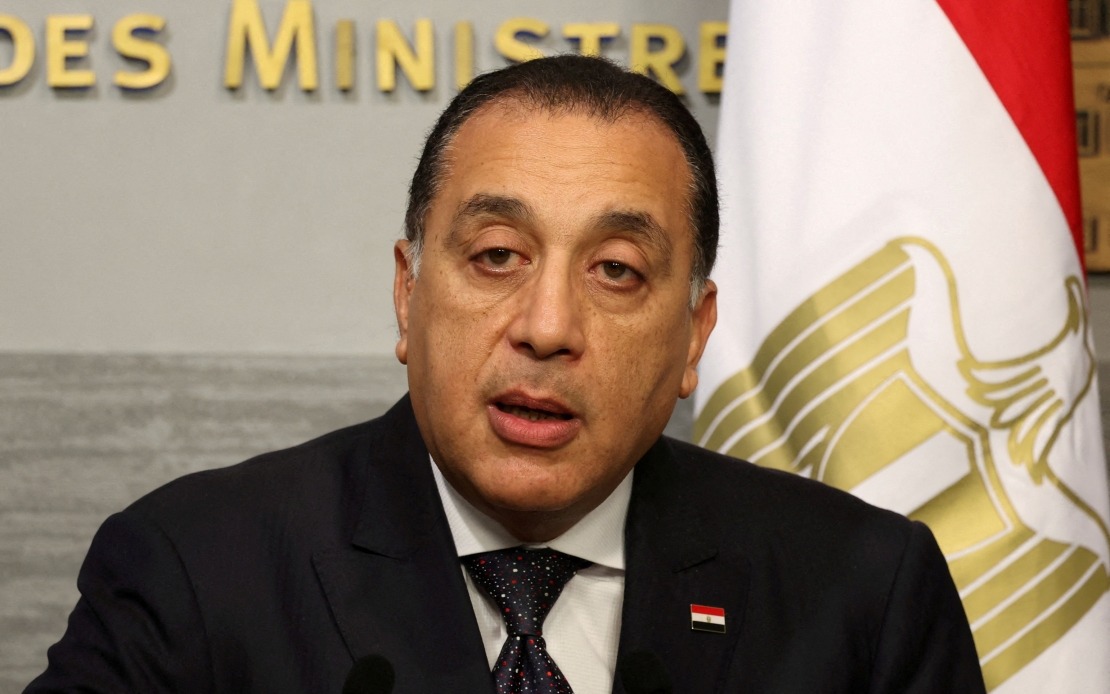
Egypt has reaffirmed its commitment to completing the El Dabaa Nuclear Power Plant on schedule, with Prime Minister Mostafa Madbouly announcing during a high-level meeting in Cairo that the facility's inaugural reactor is expected to feed electricity into the national grid by 2028. The declaration came as construction milestones continued to materialise, with the installation of the reactor pressure vessel for the plant's second unit marking another tangible step forward in the ambitious infrastructure project. The assurance reflects the government's determination to bring this long-delayed venture to fruition, a development that carries significant implications for Egypt's energy security and the broader Middle East regional dynamics.
The El Dabaa facility represents a cornerstone of Egypt's energy strategy, designed to address mounting pressure on the country's electricity systems as demand continues to accelerate across both residential and industrial sectors. By introducing nuclear generation into its energy portfolio, Egypt aims to reduce its dependency on natural gas and fossil fuels while simultaneously addressing climate commitments and long-term sustainability objectives. The project thus sits at the intersection of pressing domestic energy needs and international environmental expectations, a positioning that underscores its strategic importance to Cairo's future development trajectory.
Russia's Rosatom corporation, the state-owned enterprise managing the project on the Russian side, continues to play a central role in the undertaking. Director General Alexey Likhachev participated in ceremonies marking construction progress and reaffirmed Moscow's commitment to the venture during discussions with Egyptian officials. The continued engagement of Rosatom's leadership at such high levels demonstrates the project's prominence within bilateral relations between the two nations, a partnership that extends beyond the nuclear sector into broader economic and diplomatic spheres.
The El Dabaa site, positioned approximately 300 kilometres northwest of Cairo in Matrouh Province along the Mediterranean coastline, will ultimately house four nuclear reactor units, each capable of generating 1,200 megawatts of electricity. This configuration will eventually contribute roughly 4,800 megawatts to the national energy supply once all units reach full operational capacity, representing a substantial addition to Egypt's generation infrastructure. The distributed phasing of reactor completion, with the first coming online in 2028 and the remaining three expected by 2030, allows for staged integration of the technology into existing grid management systems and provides time for operator training and regulatory oversight implementation.
The contractual framework underpinning this cooperation dates to December 2017, when Egypt and Russia formalised the legal instruments governing the project's implementation. The seven-year gestation period between contract finalisation and projected initial grid connection reflects the complexities inherent in establishing nuclear infrastructure in a region where such technology represents a relatively nascent undertaking. This extended timeline also underscores the significant technical, regulatory, and financial challenges that emerge when constructing a first-of-its-kind facility within a national context.
For Southeast Asian observers and policymakers, Egypt's nuclear ambitions carry instructive dimensions. Several regional nations, including Malaysia, face comparable energy demands and wrestle with similar questions about balancing economic growth against environmental responsibilities. Egypt's experience navigating the regulatory, financing, and technical hurdles associated with nuclear development offers lessons—both cautionary and constructive—for countries contemplating similar pathways. The project demonstrates both the feasibility and the extended timeframes required to operationalise nuclear generation, factors that should inform policy discussions across Asia.
The energy diversification rationale underpinning the El Dabaa project resonates particularly strongly given global trends toward decarbonisation. Egypt's explicit framing of nuclear power as a component of its clean energy strategy positions the technology as instrumental to meeting electricity demand without expanding the carbon footprint associated with conventional thermal generation. This alignment with international climate frameworks enhances the project's appeal to international financing institutions and development partners who increasingly condition support on environmental credentials.
The phased deployment schedule carries practical benefits for Egypt's grid operators and energy planners. Rather than simultaneously bringing multiple massive generating units online, the staggered approach permits gradual integration, system testing, and operational refinement. This measured cadence reduces the risk of destabilising the broader electricity network and allows technicians and administrators to accumulate operational experience with each successive reactor before managing additional complexity. Such considerations prove particularly important for developing energy systems still expanding and optimising their technical capabilities.
The security and stability of electricity supply represents an ongoing challenge for Egypt, which has experienced periodic shortages and demand-supply imbalances in recent years. The nuclear facility addresses this vulnerability by adding a reliable baseload generation source unaffected by weather variability or fuel supply disruptions. The capacity to generate electricity around the clock, independent of climatic conditions, positions nuclear power as a strategic counter to intermittency concerns that sometimes accompany renewable energy integration, creating a complementary rather than competitive relationship with Egypt's concurrent solar and wind development initiatives.
International financing and technology transfer arrangements underpinning the project extend beyond the bilateral Egypt-Russia framework. The El Dabaa venture has attracted interest from multilateral development institutions and private sector investors seeking opportunities in emerging nuclear markets. These broader partnerships reflect confidence in the project's viability and Egypt's commitment to seeing it through to operational status, while simultaneously distributing risk across multiple stakeholders with varying appetites for long-term infrastructure investment.
The geopolitical dimensions of Egypt's nuclear partnership with Russia merit consideration within the broader context of Middle Eastern great power competition and alignment patterns. The choice of Russia as the primary technical and financial partner reflects historical relationships, strategic calculations, and the relative positioning of major powers in the region. As Egypt progresses with this infrastructure undertaking, the project serves as a visible manifestation of Egyptian strategic partnerships and demonstrates Cairo's capacity to execute complex multinational initiatives despite the considerable technical and organisational demands involved.
Looking forward, the successful completion of El Dabaa would position Egypt as the Arab world's pioneering nation in operational civilian nuclear power generation, a distinction carrying both technical and political significance. Achievement of the 2028 timeline for initial grid connection would vindicate years of planning, regulatory development, and international cooperation, while simultaneously providing a template and encouragement for other developing nations contemplating nuclear energy pathways. The project thus transcends Egypt's borders, carrying implications for nuclear technology diffusion patterns and the expansion of clean energy options across the Global South.

