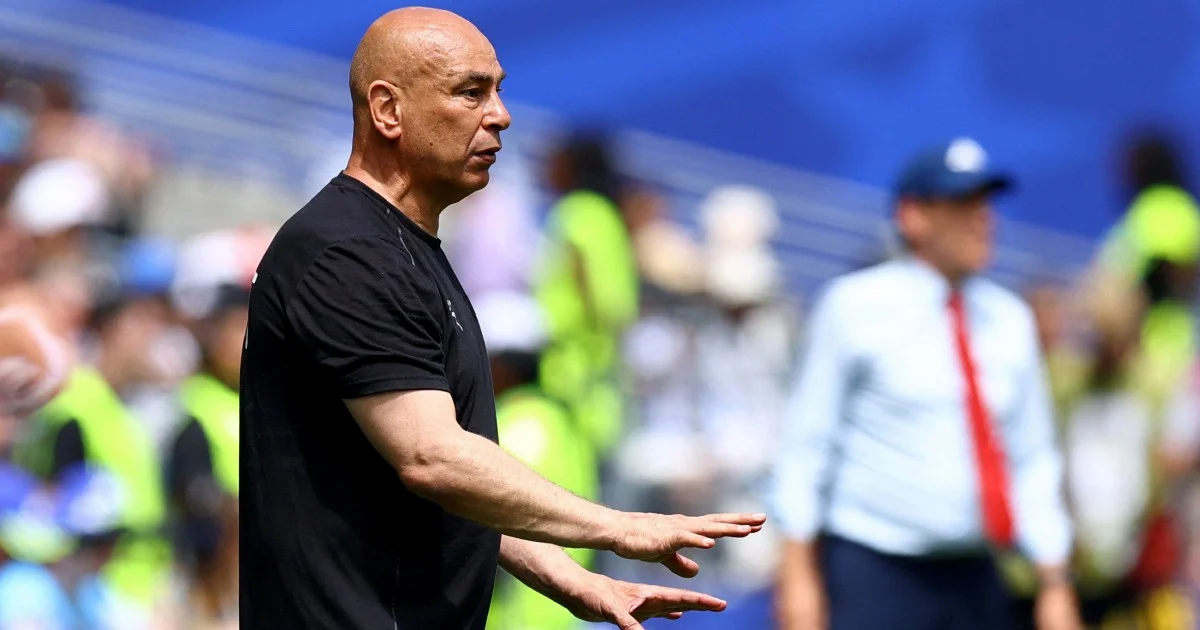
Egypt's hopes of achieving a historic World Cup breakthrough rest partly on maintaining squad cohesion, with coach Hossam Hassan moving swiftly to extinguish speculation about tensions surrounding Mohamed Salah ahead of Sunday's critical Group G encounter against New Zealand at BC Place in Vancouver. The emphatic denial underscores the significance of this fixture in determining whether the Pharaohs can progress from a historically challenging pool.
The Egyptian football establishment has long struggled to translate the country's rich playing tradition and fervent domestic support into sustained World Cup success. Hassan's public rebuttal of squad discord reflects an understanding that psychological momentum matters enormously at tournaments, where morale problems can derail even talented teams. By confronting rumours directly rather than allowing them to fester, the coach is attempting to maintain the focused environment necessary for competition at the highest level.
Salah's presence within the squad carries particular weight. The Liverpool forward commands not only technical excellence but also symbolic importance as arguably the most recognisable contemporary Egyptian footballer globally. Any perception of his disengagement or conflict with management would inevitably ripple through team morale and invite unwanted media scrutiny. Hassan's forceful dismissal of such talk serves partly as reassurance to supporters watching from across the Arab world that their team remains unified in pursuit of a deep tournament run.
Group G presents genuine obstacles. The pairing against New Zealand, while potentially favourable on paper, demands tactical discipline and clinical execution. Egypt cannot afford complacency or the distraction of internal politics. Every training session and every interaction between players carries magnified importance when margins for error narrow significantly. Hassan understands that the narrative surrounding his squad—whether featuring discord or harmony—influences how players approach the technical and psychological demands ahead.
The coach's categorical rejection of unrest claims also reflects standard management practice at major tournaments. Acknowledging any substantive disagreements, even minor ones, invites further questions from media, rival teams, and opposing coaches seeking psychological advantage. By projecting absolute unity, Hassan reinforces a front that, whether completely accurate or not, discourages outsiders from believing they can exploit internal fractures.
Salah's recent performances and fitness levels have naturally drawn attention. As Egypt's primary creative and attacking threat, his form directly influences the team's realistic scoring capacity. Any suggestion that off-field issues might affect his commitment or output consequently becomes more than idle gossip—it touches upon team functionality. Hassan's intervention demonstrates recognition that narrative matters in sport, particularly for a squad competing against more established World Cup nations and operating under considerable national expectation.
The broader context of Egyptian football shows a nation desperate for sustained international success. Domestic support remains passionate, and the World Cup represents an opportunity to capture the world's attention whilst celebrating Arab football heritage. Hassan inherits this pressure and responds by presenting an image of unshakeable internal confidence. Whether this reflects complete reality or strategic presentation, it serves the immediate objective of keeping focus where it should be—on football performance rather than speculation.
The New Zealand fixture arrives at a juncture where Egypt cannot afford setbacks. Group composition suggests that multiple results favour their progression, but only if they translate that advantage into actual points. Hassan's emphatic unity statement functions as both reassurance to supporters and a reinforcement message to his players that external noise should not penetrate team concentration. Psychological readiness often separates competitors at similar technical levels.
Looking forward, Egypt's tournament trajectory depends substantially on translating Hassan's confidence into match performance. The coach has clearly communicated that whatever internal dynamics exist—and all teams contain competing interests and viewpoints—the squad operates under singular purpose. Whether this messaging fully suppresses legitimate questions about Salah's engagement or represents straightforward reality, it establishes the framework within which Egypt approaches Sunday's encounter and subsequent Group G fixtures that will determine their World Cup future.