The Education Ministry should create a dedicated agency to oversee student safety and welfare while reducing the administrative burden on teachers managing school discipline, according to advocates working in education policy. The proposal, raised in Semporna on July 9, reflects growing concerns about lapses in school security protocols and the rising prevalence of bullying, violence, and dangerous weapons in educational institutions across the country.
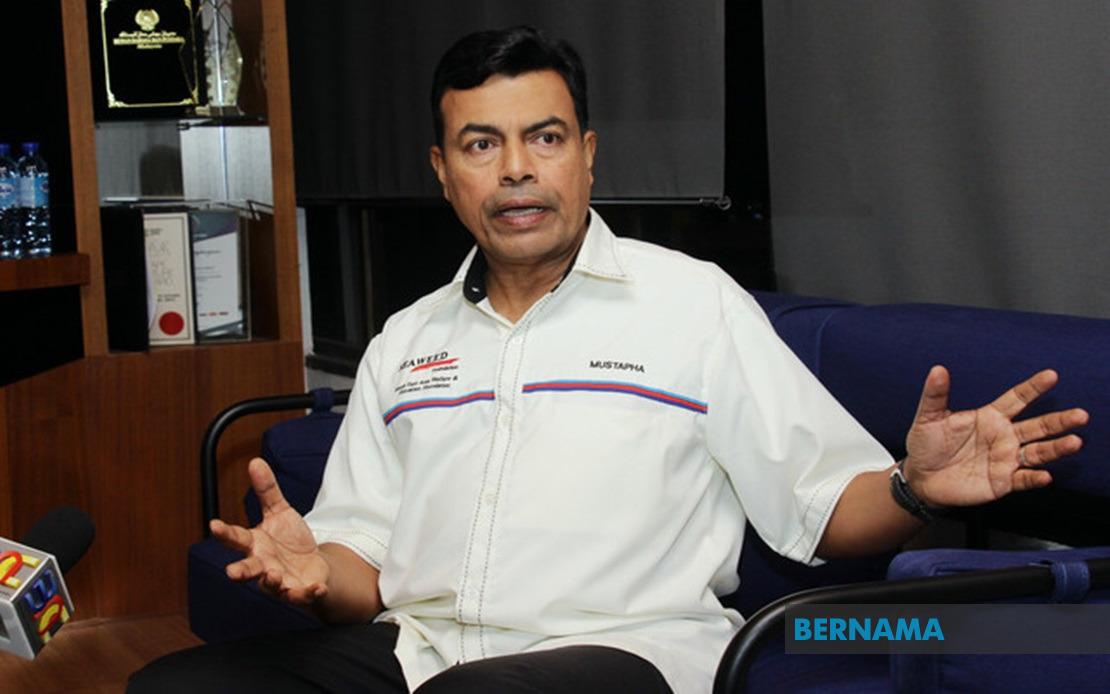
Datuk Dr Mustapha Ahmad Marican, chairman of the South East Asia Welfare and Education Foundation (SEAWEED), outlined a framework whereby the ministry could either house such an agency within its own structure or permit it to operate as an independent entity with distinct powers and accountability measures. The distinction matters significantly, as an autonomous body would have greater freedom to investigate incidents, implement corrective measures, and maintain oversight without navigating ministry bureaucracy. Independence would also help insulate the agency from political pressures that might otherwise compromise impartial assessment of school safety failures.
The proposal builds on established international models rather than introducing untested concepts. Both the United Kingdom and Australia maintain dedicated legal frameworks and institutional bodies specifically tasked with monitoring and enforcing student safety standards across schools. These systems typically involve third-party oversight, regular inspections, incident investigation capacity, and powers to recommend systemic reforms. Such mechanisms have proven effective in identifying institutional vulnerabilities and holding schools accountable for preventive measures. Malaysia's adoption of comparable structures could address persistent gaps in how the country currently handles safety breaches, often leaving responses to individual school administrators with varying levels of commitment and expertise.
Currently, teachers and school administrators shoulder the primary responsibility for disciplinary matters and student safety, a dual burden that diverts attention from their pedagogical roles. Creating a specialized agency would redistribute these duties to professionals trained specifically in behavioral intervention, conflict resolution, and threat assessment. This reorganization would allow educators to focus on classroom instruction while safety specialists handle the complex investigative and remedial work that modern school environments increasingly demand. The separation of functions also creates clearer accountability—teachers and administrators would no longer serve as both judge and enforcer, a role that can create resentment among students and parents.
Bullying and violence within schools have become persistent challenges in Malaysia, frequently generating headlines when incidents result in serious injury or death. Mustapha highlighted that cases causing physical harm demand immediate, decisive intervention supported by systemic investigation rather than ad hoc responses. Many bullying incidents go unreported or underreported because students and parents distrust the current system's ability to handle complaints confidentially and effectively. An independent body could operate with greater transparency while protecting complainants, potentially uncovering patterns of abuse that individual schools might downplay or ignore.
The Foundation also advocates for comprehensive research into the root causes of school bullying, with particular emphasis on students' mental health dimensions. Bullying frequently reflects underlying psychological distress among perpetrators—social isolation, family dysfunction, untreated trauma, or mental health conditions. A safety agency with research capacity could commission studies identifying risk factors and designing evidence-based prevention programs tailored to Malaysian school contexts. Understanding bullying as a mental health issue rather than purely a disciplinary problem could shift intervention strategies toward therapeutic approaches that address causation rather than merely punishing behavior.
Physical security measures represent another component of the proposed framework. Mustapha advocated for systematic bag inspections to prevent weapons—particularly knives and similar implements—from entering school premises. While such measures are occasionally implemented in response to specific threats, standardized protocols remain absent across most schools. An oversight body could establish consistent inspection procedures, determine appropriate frequency and methods, and monitor compliance. These inspections require careful design to avoid traumatizing students or creating an atmosphere of mistrust; international examples could inform Malaysian protocols that balance safety with dignity and respect for student privacy.
The proposal emerges at a juncture when Malaysian society increasingly recognizes that education extends beyond academic achievement to encompass student physical security and psychological wellbeing. Parents enrolling children in schools legitimately expect institutional commitment to protecting them from violence, intimidation, and exposure to weapons. Teachers similarly deserve working environments where they can focus on instruction rather than managing behavioral crises. An independent safety agency would signal this institutional commitment while creating mechanisms to fulfill it systematically.
Implementing such a structure would require legislative foundation, budgetary allocation, and careful institutional design. The ministry would need to determine the agency's relationship to existing bodies—the school inspection unit, the police liaison office, and student counseling services—to prevent duplication while ensuring comprehensive coverage. Mechanisms for receiving complaints, investigating allegations, implementing recommendations, and measuring outcomes would need specification. The agency would require sufficient autonomy to challenge school practices when necessary, while maintaining collaborative relationships that encourage school participation rather than defensive resistance.
For Malaysian policymakers, the proposal offers a framework addressing legitimate public concerns about school safety through institutional innovation rather than reactive measures. International experience demonstrates that systematic oversight, combined with targeted interventions addressing root causes, reduces bullying, violence, and weapons incidents more effectively than school-by-school approaches. Establishing an independent student safety authority would represent a significant structural reform acknowledging that protecting educational environments requires specialized expertise and dedicated institutional capacity.

