A 16-year-old female student has died at a school in Negeri Sembilan, prompting Education Minister Fadhlina Sidek to call for public restraint and sensitivity towards the bereaved family during what the authorities have described as a difficult period. The death, which occurred on June 19, has triggered a police investigation, with the Ministry of Education pledging full cooperation with the ongoing probe.
Fadhlina, responding to the tragedy through a Facebook post, extended condolences to the student's family and emphasised the importance of allowing them space to grieve without public intrusion. Her statement reflected the ministry's awareness that such incidents generate significant public and media attention, often placing additional strain on already traumatised relatives. The minister's plea for restraint underscores an ongoing tension in Malaysia between the public's right to information and families' need for privacy during personal crises.
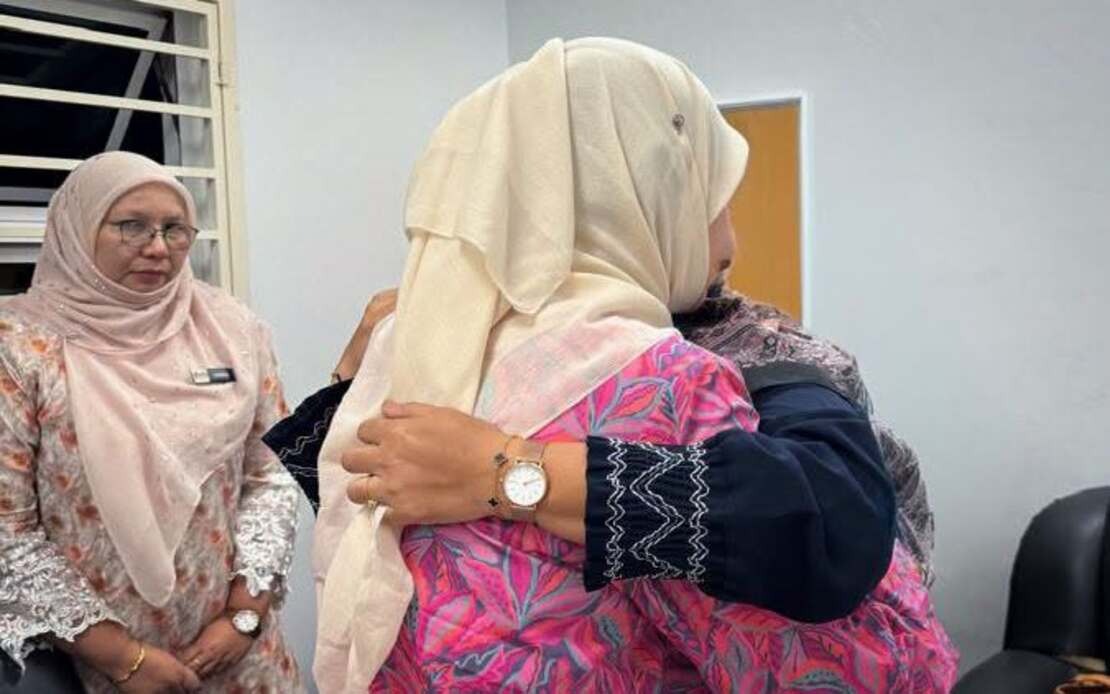
In a show of institutional support, Fadhlina and Education director-general Datuk Dr Mohd Azam Ahmad visited the student's family at Rembau Hospital to offer direct assistance and emotional support. This high-level engagement signals the government's recognition of the incident's gravity and its commitment to supporting those directly affected. The hospital visit also served to provide the family with information about available aid and counselling services that the ministry can facilitate.
The circumstances surrounding the student's death remain unclear pending the police investigation. Such incidents at educational institutions typically prompt broader conversations about student welfare, mental health support systems, and the pressures facing Malaysian teenagers. Schools have become focal points for examining whether sufficient psychological and emotional support mechanisms exist for young people navigating academic expectations and personal challenges.
Malaysia's education sector has increasingly confronted questions about student wellbeing in recent years, with various cases highlighting potential gaps in pastoral care and mental health services. While the ministry has rolled out initiatives aimed at addressing student stress and emotional health, questions persist about whether these programmes reach all students effectively or whether resource constraints limit their implementation in some schools. The tragedy in Negeri Sembilan will likely reignite these discussions among educators, parents, and policymakers.
The ministry's stated priority of ensuring comprehensive support extends beyond the immediate family to encompass affected school staff and fellow students who may require counselling. Schools often serve as close-knit communities, and a student's death resonates deeply throughout the entire institution. Establishing proper psychological support channels for peers and teachers becomes crucial in preventing secondary trauma and helping the school community process the loss constructively.
Police involvement in the investigation indicates that authorities are treating the matter with appropriate seriousness. While details remain limited at this stage, the investigative process will determine relevant factors and circumstances. The cooperation between law enforcement and the education ministry demonstrates inter-agency coordination in handling sensitive matters involving young people.
Fadhlina's emphasis on respecting family privacy reflects growing recognition in Malaysia that media and public speculation can compound grief and interfere with the investigative process. The balance between transparency and sensitivity remains delicate, particularly when minors are involved. Her appeal essentially asks the public to refrain from speculation, rumour, and intrusive inquiries that might compromise the family's ability to cope and potentially prejudice the investigation.
For Malaysian parents and educators, this incident serves as a sobering reminder of the unpredictability of tragedy and the importance of robust support systems within schools. While individual incidents are often site-specific, they prompt systemic reflection about whether current protocols for identifying struggling students and intervening early are adequate. Schools nationwide may find themselves examining their pastoral care frameworks and mental health referral pathways in response to this case.
The incident also highlights the need for clear communication protocols when tragedies occur at educational institutions. How schools and authorities communicate with families, students, and the public during crises significantly shapes community trust and recovery. Fadhlina's intervention in calling for measured public response reflects an understanding that how society responds to tragedy can either help or hinder the healing process for all involved.
Moving forward, the education ministry will likely face pressure to review and potentially strengthen support mechanisms for student welfare. This may include evaluating the adequacy of school counsellors, the effectiveness of mental health screening programmes, and training for teachers in recognising and responding to students in distress. Whether this specific incident catalyses broader systemic changes across Malaysian schools remains to be seen.