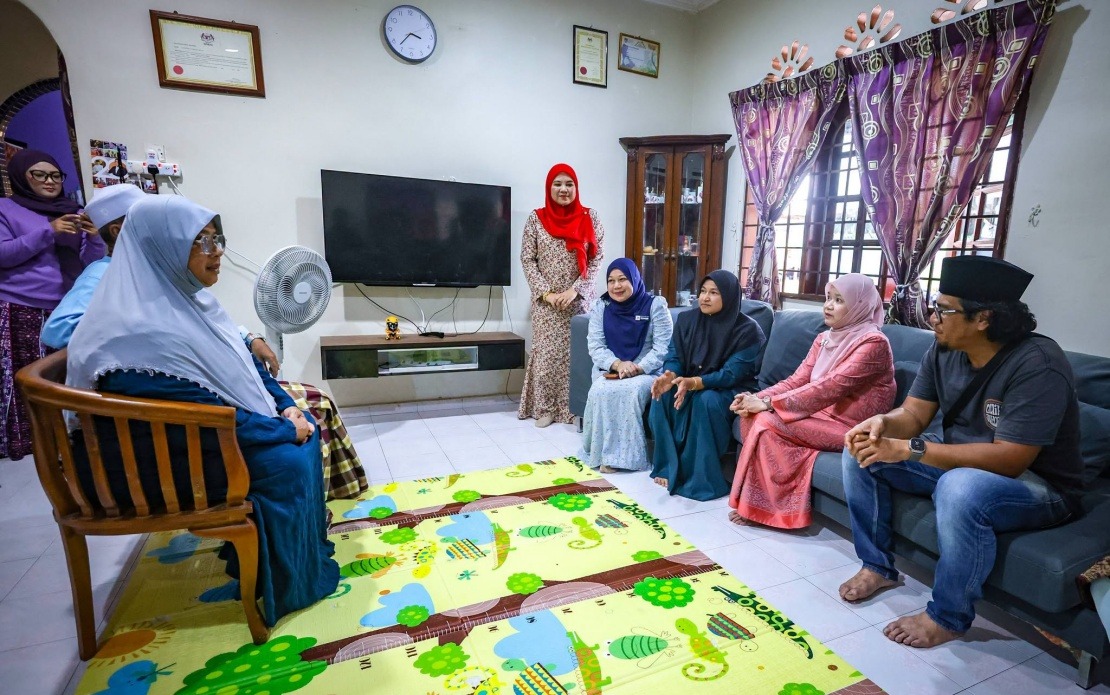
The Education Minister Fadhlina Sidek has personally visited the grieving family of Muhammad Raiyan Nufael, a 14-year-old Form Two student whose sudden death during a rugby training session at a Telok Mas school has raised fresh concerns about student safety during extracurricular sporting activities in Malaysia. The minister's visit on behalf of the Ministry of Education (MOE) underscores the gravity of the incident and the government's commitment to supporting the bereaved family during this difficult period.
Muhammad Raiyan collapsed without warning during a rugby training session that concluded at approximately 6 pm on Wednesday at the school in Telok Mas, Melaka. The teenager had participated in only about 15 minutes of training when he experienced severe respiratory distress while seated and receiving instructions from the coaching staff following a scheduled break in the session. He was subsequently pronounced dead, leaving his family and the school community devastated.
Through a Facebook post, Minister Sidek conveyed her sympathies to Muhammad Raiyan's parents, offering the formal condolences of the entire MOE establishment. Her message invoked religious sentiments, expressing hope that the teenager's soul would find peace among the virtuous and praying that his family would find the spiritual fortitude to endure this tragic loss. The public acknowledgment of the tragedy by such a high-ranking government official signals the seriousness with which authorities are treating the incident.
The death of a young student during a routine school activity represents one of the most alarming scenarios in the education system, raising immediate questions about supervision protocols, emergency medical response capabilities, and the adequacy of safety measures during physical training. The fact that Muhammad Raiyan collapsed so quickly into the session—within the first quarter-hour—suggests that the cause may have been related to an underlying medical condition rather than overexertion, though this remains to be established through formal investigation.
Schools across Malaysia have long grappled with balancing the promotion of physical fitness and character development through sports with the imperative to protect student health and safety. Rugby, being a contact sport with inherent physical demands, requires particularly robust safeguards including pre-participation medical screening, qualified first aid personnel on standby, and clear protocols for recognising and responding to medical emergencies. The incident at Telok Mas will inevitably prompt a review of whether such standards are uniformly maintained across all educational institutions in the country.
The circumstances surrounding Muhammad Raiyan's death—collapsing while listening to coach instructions rather than during active play—might suggest sudden cardiac arrest or another acute medical event rather than heat exhaustion or impact trauma. However, without access to post-mortem findings or detailed medical analysis, the precise cause remains unclear. What is certain is that the tragedy has occurred at a moment when Malaysian schools are increasingly promoting competitive sports, making it essential that medical preparedness keeps pace with expanded athletic programming.
For parents of students in Malaysia, this incident serves as a sobering reminder of the unpredictable nature of health crises. While schools bear responsibility for implementing preventive measures and emergency responses, families may also wish to ensure that their children undergo appropriate medical screening before participating in strenuous sports. The conversation around student athlete safety is likely to intensify in coming weeks, particularly as more details about the circumstances emerge and as educational authorities conduct their own reviews.
The MOE's rapid official response through the Education Minister's personal visit demonstrates institutional awareness of the incident's significance and the need to maintain public confidence in school safety systems. However, public confidence will ultimately depend on whether concrete improvements to safety protocols are announced and implemented. This might include mandatory pre-sport medical clearances, enhanced training for coaches in recognising medical emergencies, and ensuring that automated external defibrillators are available at all venues where competitive sports take place.
The broader Southeast Asian education landscape shows varying levels of investment in student safety infrastructure during sporting activities. Malaysia, as a middle-income nation with significant resources devoted to education, has the capacity to establish world-class safety standards. Whether the Telok Mas tragedy catalyses such improvements or becomes simply another regrettable incident will depend on the thoroughness of investigations and the political will to implement recommendations that emerge from post-incident reviews.
For Muhammad Raiyan's family and friends, the coming months will be consumed by grief and the search for answers about how their healthy son could be alive one moment and gone the next. The school community, meanwhile, faces the difficult task of processing the trauma while continuing to provide education and maintain morale. The Education Minister's visit acknowledges this collective pain while signalling that the tragedy will not be ignored at the highest levels of the education system.

