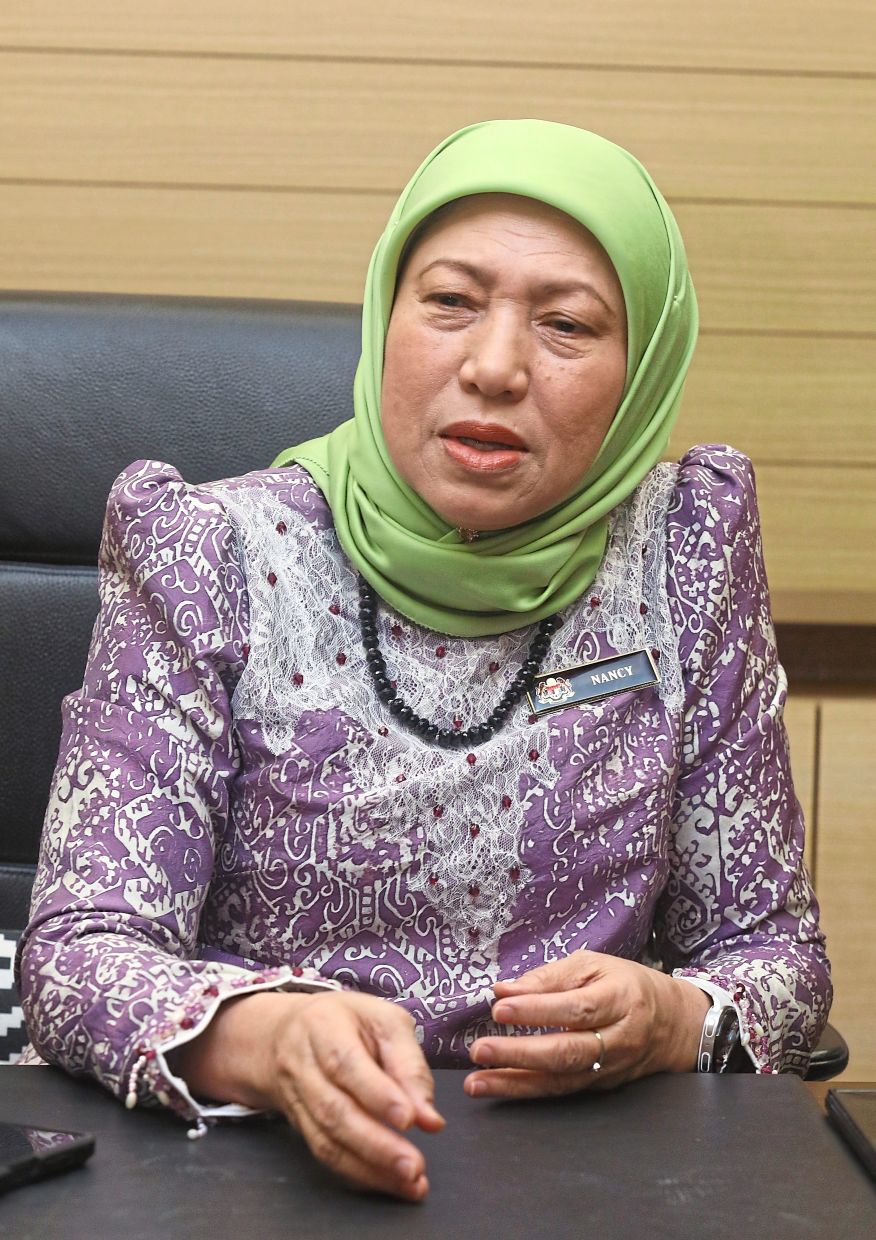
Timely registration of children as persons with disabilities (OKU) represents the gateway to a comprehensive ecosystem of government assistance that can substantially improve outcomes for families navigating special needs care. Datuk Seri Nancy Shukri, the Women, Family and Community Development Minister, has emphasised that securing official recognition through the OKU system is far more than a bureaucratic formality—it is an essential mechanism that unlocks access to welfare payments, medical services, educational accommodations and developmental programmes that would otherwise remain unavailable to vulnerable families.
The registration process itself, managed by the Social Welfare Department (JKM), involves parents gathering and submitting their child's birth certificate or identity documentation alongside a medical certification detailing the nature and extent of the child's disability. Supporting documents required by JKM must accompany the application. Upon approval, children receive an OKU card that serves as tangible proof of their recognised disability status within Malaysia's social support framework. This card becomes a key to accessing a portfolio of targeted interventions throughout childhood and into adulthood.
The range of benefits flowing from OKU status extends across multiple domains of family life. Registered children and their guardians gain eligibility for financial grants, rehabilitation services tailored to their condition, early intervention programmes designed to maximise developmental potential, admission to specialised educational facilities, and various tax concessions and subsidies. The breadth of this support network means that early registration directly correlates with earlier access to these services—a timing factor that developmental experts consistently identify as critical during formative years when intervention produces optimal results.
Minister Shukri stressed that delays in registration can cost families precious time during windows when children's brains are most plastic and responsive to therapeutic intervention. She highlighted that early intervention services are not merely beneficial but essential, functioning as the foundation upon which a child's entire developmental trajectory is constructed. Parents who postpone registration risk missing these crucial periods, potentially compromising their child's learning capacity, social integration and long-term independence prospects. The administrative act of registration thus carries profound implications for life outcomes.
Beyond childhood, the government's vision for OKU support extends into adulthood, recognising that needs and aspirations evolve substantially across the lifespan. As individuals mature, their requirements for assistance transform, and the support systems must adapt accordingly. The minister stressed that government commitment to persons with disabilities persists long after school years conclude, addressing the reality that employment, independent living and community participation present distinct challenges requiring tailored interventions.
A cornerstone of this extended support framework is the expansion of inclusive employment pathways. The Social Welfare Department has introduced specialised job coach services—trained professionals who provide on-the-job guidance and mentorship to OKU individuals seeking or maintaining employment. These coaches function as bridges between employers and workers with disabilities, identifying workplace adjustments, providing practical training support and cultivating organisational cultures that accommodate diverse needs. This service model recognises that employment success for persons with disabilities depends not solely on individual capability but on the availability of structured workplace support.
Complementing the job coach initiative is Disability Equality Training (DET), a programme targeting employers, human resources professionals and broader workforces. Rather than simply raising awareness, DET endeavours to fundamentally shift societal perspectives on disability, reframing it through an abilities-and-accommodations lens rather than a deficits-and-limitations perspective. This attitudinal shift is crucial for Malaysia, where stigma and misconceptions about disability remain widespread barriers to meaningful social and economic participation. The training initiative acknowledges that structural access improvements mean little without accompanying cultural transformation.
The Social Security Organisation (PERKESO) forms a critical partner in this ecosystem, providing rehabilitation services, vocational skills development and employment placement support. The MyFutureJobs platform serves as a digital bridge connecting job seekers with disabilities to employers actively recruiting for suitable positions. These interconnected initiatives attempt to create a coherent pathway from early childhood support through vocational preparation into sustainable employment, yet gaps and coordination challenges remain evident across the system.
For Malaysia's diverse population, strengthened focus on lifelong learning opportunities, vocational training pathways and entrepreneurship support represents recognition that not all persons with disabilities seek traditional employment. Some may thrive as independent entrepreneurs or through flexible work arrangements, while others require more intensive ongoing support. The government's stated commitment to expanding these varied pathways suggests movement toward individualised approaches rather than one-size-fits-all models, though implementation effectiveness across peninsular Malaysia, Sabah and Sarawak varies considerably.
The implications of this policy direction extend beyond immediate beneficiaries. Early intervention in disability support yields broader economic benefits through reduced long-term dependency costs and increased labour force participation among persons with disabilities. From a social cohesion perspective, inclusive systems that enable participation across all population segments strengthen national resilience and reduce marginalisation. Southeast Asian economies increasingly recognise that untapped human potential among 15-20 percent of their populations represents a missed opportunity for growth and innovation.
Parents considering OKU registration should understand that the process represents not merely accessing immediate welfare assistance but positioning their child within a lifetime support ecosystem. The administrative step carries profound implications for access to rehabilitative services during critical developmental windows, educational accommodations throughout schooling, vocational preparation in adolescence, and employment support extending into working life. Early registration essentially establishes relationships with government agencies and service providers that can shepherd families through successive life transitions.
The success of Malaysia's OKU system ultimately depends on sustained government investment, effective inter-agency coordination, and private sector collaboration in creating genuinely inclusive workplaces and communities. As awareness of registration benefits spreads and take-up rates increase, the system will face mounting demands requiring strategic resource allocation and quality service delivery. Parents should view registration not as checking an administrative box but as activating access to a support network that, when functioning effectively, can substantially transform a child's life trajectory and family wellbeing.

