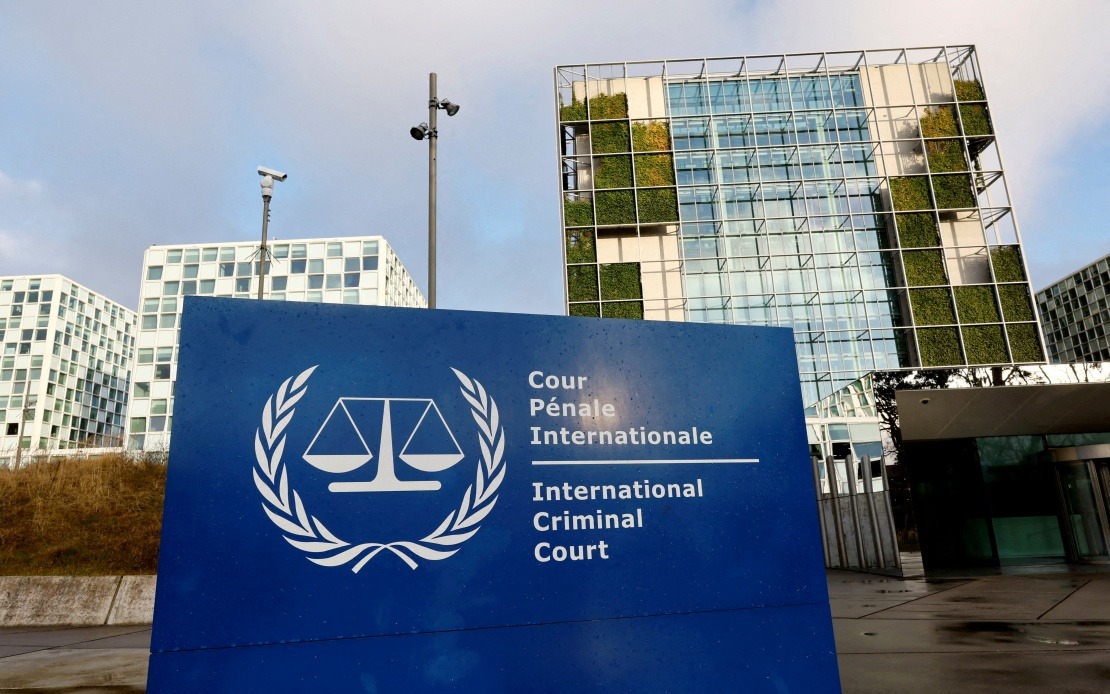
A growing chorus of concern has emerged from the Netherlands over the United States' aggressive posture toward the International Criminal Court, with prominent legal academics warning that Washington's strategy fundamentally undermines the architecture of international justice. The criticism reflects deepening anxiety in Europe about American efforts to pressure the Hague-based institution and potentially convince other nations to withdraw from the Rome Statute that established it.
In early July, the US Department of State unveiled a comprehensive campaign framed as necessary to protect American sovereignty, characterising the ICC as posing "an intolerable threat" through its claimed authority to investigate and prosecute US military personnel and government officials. Washington's stated concern centres on the court's jurisdiction to pursue cases involving Americans who may have committed offences in territories where the institution has investigative powers, or actions undertaken by nationals of countries that are party to the Rome Statute.
Prof Alette Smeulers from the University of Groningen, a specialist in international crimes law, articulated the fundamental concern underlying Dutch academic opposition: that systematic efforts to dismantle multilateral legal institutions would propel the international system backward toward a model in which power, rather than legal framework, determines outcomes. Her warning reflects a broader European anxiety that the erosion of such institutions could leave smaller and mid-sized nations vulnerable while concentrating authority among the most militarily powerful states.
The ICC's actual jurisdiction, according to Smeulers, operates within carefully defined parameters that American policymakers appear to mischaracterise. The court can only prosecute the gravest offences and only when such crimes occur in the territory of states that have ratified the Rome Statute or are committed by nationals of member states. This limited mandate means blanket American concerns about ICC overreach lack grounding in the institution's actual operational scope and legal constraints.
The timing of Washington's campaign reflects escalating hostility that extends beyond rhetorical disagreement. Last December, the United States implemented sanctions targeting two ICC judges, claiming they had engaged in "politicised actions" specifically related to investigations involving Israel. That move represented an extraordinary intervention by one nation against judicial officers of an international institution, setting a concerning precedent for state pressure on independent legal proceedings.
Kyra Wigard, an assistant professor of law at Utrecht University, characterised the sanctions as categorically inappropriate. Her observation that sanctions are conventionally reserved for alleged terrorists or belligerent nations underscores how extraordinary and provocative the American action appeared to international legal scholars. The use of economic penalties against judges conducting their official duties at an international court fundamentally violates norms of judicial independence that underpin the entire international legal system.
Beyond immediate institutional concerns, American pressure threatens to fragment the international legal order by encouraging states to reconsider their Rome Statute commitments. Smeulers noted that Washington has signalled intentions to persuade other nations to withdraw from the statute, potentially dismantling a system that took decades to construct. Such fragmentation would disproportionately affect developing nations and middle powers that rely on international legal frameworks to maintain their standing in a rules-based system.
The broader implications for Southeast Asian nations deserve particular attention. Smaller regional states have benefited from the existence of international legal institutions that constrain larger powers and provide venues for pursuing justice for atrocities. The undermining of the ICC through American pressure could ultimately weaken protections that developing nations depend upon when confronting powerful actors. Furthermore, if the world's preeminent military power successfully dismantles multilateral justice mechanisms, it establishes a precedent that other major powers might emulate, further corroding the institutional framework within which regional disputes are negotiated.
The Dutch scholarly criticism also illuminates the conceptual stakes of this confrontation. The choice between governance according to the rule of law and governance according to the rule of the strongest represents a fundamental divergence in assumptions about international order. Europe, having constructed its post-war identity partly around the principle that no state stands above law, naturally perceives American efforts to exempt itself from international judicial accountability as a betrayal of principles that undergird contemporary international society.
From a Malaysian perspective, the developments warrant close monitoring. As a middle power with interests in maintaining a stable, rules-based regional order, Malaysia benefits from the existence of independent international institutions. The precedent set by major powers openly attacking these institutions could normalise such behaviour, potentially leaving smaller nations more vulnerable to pressure from neighbours and great powers alike. The ICC case demonstrates how institutional erosion in one domain can generate cascading effects throughout the international system.
The Dutch legal community's concerns ultimately articulate what many international law specialists privately acknowledge: that the survival of multilateral justice mechanisms depends on sustained commitment from leading nations, and that American actions represent a critical test of whether such commitment will endure. The outcome of this confrontation will likely shape the trajectory of international law for years to come, with implications extending well beyond the ICC itself to encompass the broader architecture through which nations interact and disputes are resolved.

