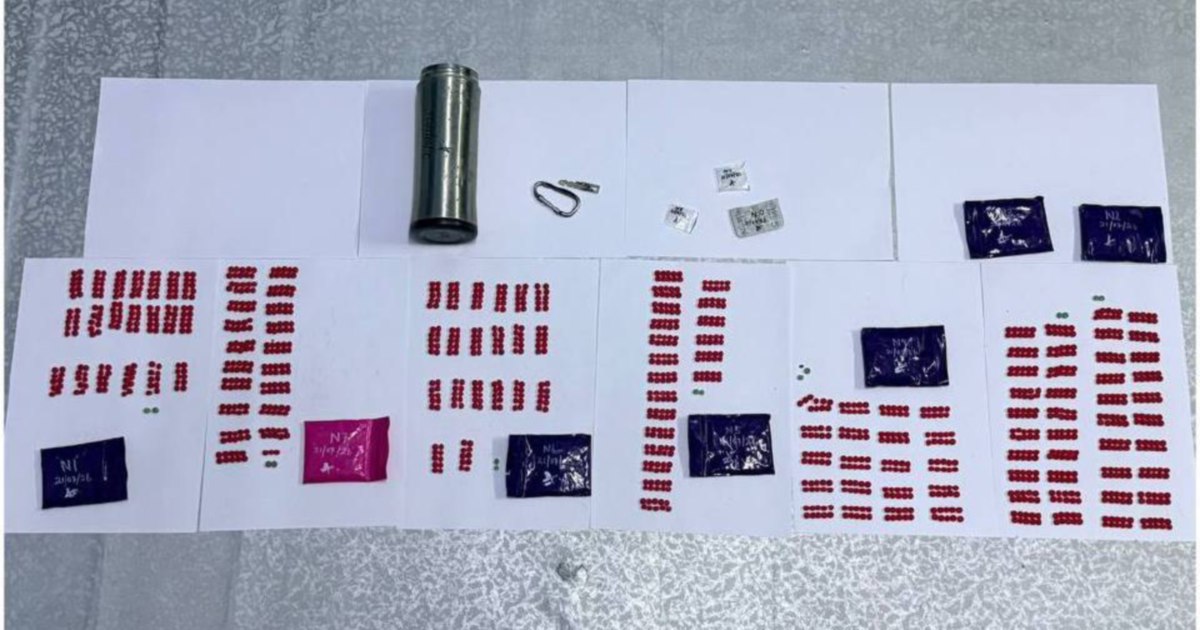
Malaysian police have arrested several suspects during a series of enforcement raids, with one detainee standing out for his extensive criminal history in narcotics offences. The individual, who carries six prior drug-related convictions, was among those apprehended in operations targeting suspected drug distribution networks across the country.
The arrest underscores persistent challenges facing law enforcement in combating Malaysia's entrenched drug problem. Individuals with repeated convictions who return to illegal activity represent a significant concern for authorities seeking to interrupt supply chains and reduce drug availability in communities. The presence of such a repeat offender in the suspect pool suggests that existing rehabilitation and deterrence mechanisms may require closer examination, even as enforcement efforts continue to intensify.
These raids, identified as part of broader operations known as GOF, reflect a coordinated approach by Malaysian police to dismantle suspected trafficking and distribution activities. Such operations typically involve coordination between multiple enforcement units and often target specific geographic areas or networks identified through intelligence gathering. The simultaneous nature of multiple raids suggests advance planning and intelligence work aimed at preventing suspects from fleeing or destroying evidence.
The arrest of individuals with extensive prior convictions raises important questions about Malaysia's approach to drug offenders. The country maintains among the world's strictest drug laws, with trafficking convictions carrying mandatory death penalties and possession of substantial quantities resulting in lengthy prison sentences. Yet the continued involvement of previously convicted individuals in drug activities suggests that incarceration alone may not adequately address the root causes driving involvement in the narcotics trade.
For Malaysian readers, the significance of such enforcement operations extends beyond immediate public safety concerns. Drug trafficking and consumption generate broader societal impacts, from healthcare system strain to productivity losses and family disruption. Communities across Malaysia have witnessed firsthand how drug abuse affects schools, workplaces, and neighbourhoods, making sustained enforcement a priority for many residents frustrated by persistent availability of narcotics.
The regional dimension cannot be overlooked. Malaysia's geographic position within Southeast Asia, combined with its developed port infrastructure and transportation networks, makes it both a transit point and market for drugs originating from Golden Triangle production areas in Myanmar, Laos, and Thailand. Enforcement operations must therefore contend not only with domestic distribution but with transnational smuggling operations that exploit Malaysia's connectivity to regional supply sources.
The inclusion of a repeat offender with six prior convictions in the suspect group also illustrates the challenge of recidivism within Malaysia's criminal justice system. Rehabilitation programmes and treatment initiatives exist, yet evidence suggests significant numbers of individuals complete sentences and return to drug-related activities. Understanding whether this reflects inadequate rehabilitation resources, insufficient economic opportunity for former offenders, or other systemic factors remains crucial for policymakers evaluating whether enforcement-heavy approaches require complementary interventions.
Police enforcement operations such as GOF raids typically involve substantial resource allocation, from intelligence analysis to coordinated arrest teams. The decision to conduct multiple simultaneous raids suggests confidence in gathered intelligence and coordinated planning among different police divisions. Successful operations of this nature depend on information sharing between units, tip-offs from community sources, and sustained surveillance of suspected trafficking locations.
The Malaysian public has shown increasing awareness of drug issues, with civil society organisations and community groups advocating for multifaceted responses combining enforcement with treatment, prevention, and rehabilitation. The arrest of established repeat offenders may resonate with these constituencies, demonstrating that enforcement mechanisms remain active, even as questions persist about long-term effectiveness. Sustained operations signal commitment to addressing drug supply, though observers note that without complementary demand reduction and rehabilitation strategies, enforcement alone faces inherent limitations.
Looking forward, the implications of these arrests extend to how Malaysia calibrates its drug policy. The country's strict approach has achieved notable successes in preventing large-scale domestic consumption compared to some regional neighbours, yet challenges from new synthetic drugs, evolving trafficking methods, and cross-border smuggling require continuous adaptation. Arrests like those announced here represent snapshots of ongoing enforcement efforts rather than definitive breakthroughs, reflecting the persistent nature of Malaysia's drug control challenges.

