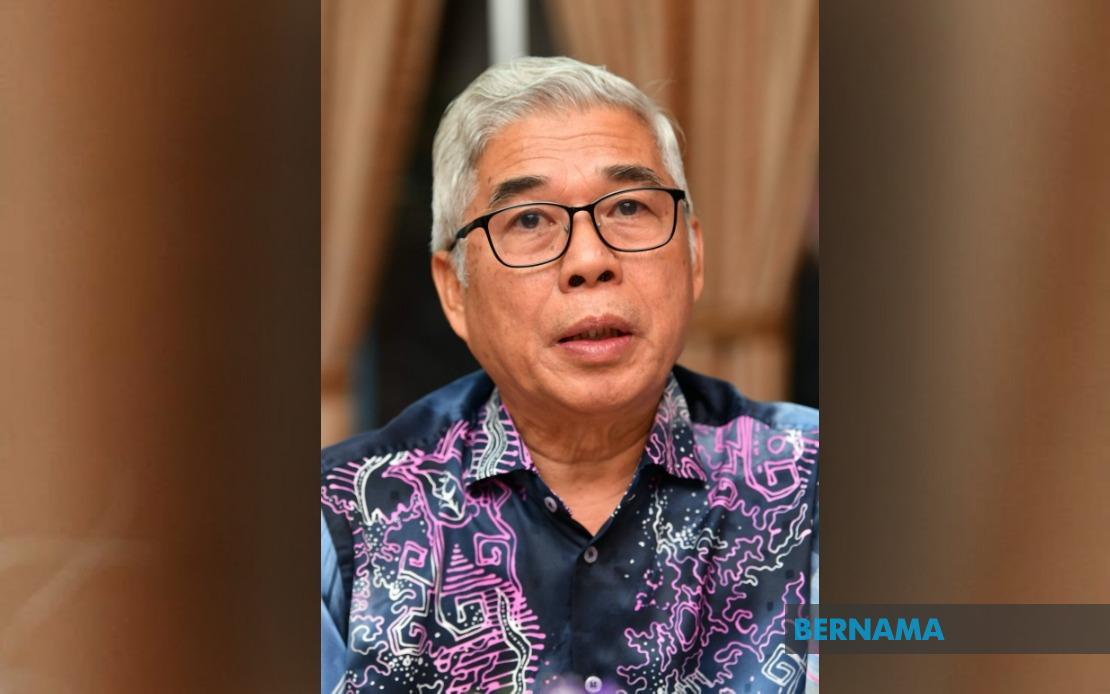
Pasir Gudang Member of Parliament Hassan Abdul Karim has made a direct appeal to the federal government to shelve any consideration of dissolving Parliament prematurely, warning that rushing into the 16th General Election would undermine policy delivery and squander the opportunity to showcase economic gains. Speaking from Johor Bahru on Friday, the PKR politician cautioned Prime Minister Datuk Seri Anwar Ibrahim against hasty decisions in the wake of recent state-level electoral disappointments, urging instead a steadfast commitment to governing until the government's mandate naturally expires by late 2027 or early 2028.
The timing of Hassan's intervention appears deliberate, coming as PKR faces internal soul-searching following setbacks in Sabah, Johor, and Negeri Sembilan state elections. Rather than interpreting these results as a mandate to refresh the government's mandate through fresh national polls, Hassan framed them as a catalyst for introspection and strategic repositioning within the broader Pakatan Harapan coalition. His Facebook statement, pointedly titled "DON'T CRY PKR, Dunia Belum Kiamat," sought to reassure party members that electoral reverses, whilst disappointing, do not justify abandoning the government's roadmap.
At the heart of Hassan's argument lies an economic thesis: that the MADANI Government requires additional time to allow its fiscal and investment policies to mature and generate measurable improvements in living standards. He contended that the next 12 to 18 months should be dedicated to strengthening domestic economic fundamentals, attracting foreign direct investment, and rebuilding public confidence in the administration's stewardship. Only once ordinary Malaysians begin experiencing tangible benefits—whether through job creation, infrastructure development, or improved services—should parliamentary dissolution enter serious consideration.
For Malaysian readers and regional observers, this intervention illuminates deeper tensions within the coalition. Since Pakatan Harapan took office in 2022, the government has pursued ambitious economic restructuring whilst navigating inherited fiscal constraints and inflationary pressures. Holding elections prematurely would reset this agenda and potentially allow opposition narratives to gain traction before reform dividends fully materialise. Hassan's position essentially argues that early polls would represent a self-inflicted strategic defeat, sacrificing momentum for short-term political relief.
The broader Southeast Asian context reinforces this analysis. Across the region, governments that have maintained policy continuity through full electoral cycles have generally achieved stronger macroeconomic outcomes than those managing constant electoral cycles. Indonesia, Vietnam, and Thailand have all pursued extended-mandate approaches to infrastructure and economic transformation, though through varying democratic frameworks. Hassan's counsel implicitly endorses this model, suggesting that Malaysia's democratic system allows sufficient space for completing a comprehensive reform agenda without necessitating early elections.
Hassan's exhortation to PKR members reflects awareness that internal party discipline and morale directly influence electoral fortunes. By reframing recent losses as temporary setbacks rather than harbingers of systemic collapse, he sought to prevent a demoralising spiral within the party base. His invocation of PKR's identity as a reform party—emphasising courage, resilience, and commitment to transformation—aimed to redirect energy away from defeatism and toward patient implementation of the broader coalition agenda.
The strategic implications extend beyond PKR. Within Pakatan Harapan, maintaining coalition unity through the full term requires managing divergent interests across component parties. Premature elections risk destabilising this delicate arrangement, particularly if internal power calculations suggest different timing preferences among DAP, Amanah, and PKR. Hassan's call for discipline from the top—specifically urging Anwar Ibrahim to resist premature dissolution—underscores that early elections would ultimately fragment rather than consolidate coalition strength.
From a policy perspective, the government faces concrete deadlines for delivering on flagship initiatives. Economic restructuring programmes, digital transformation investments, and labour market reforms all require multi-year implementation horizons to generate measurable results. Truncating the government's term would interrupt these initiatives midstream, creating uncertainty among investors and undermining confidence in policy continuity. Hassan's framing of elections as a decision best made once economic indicators visibly improve reflects pragmatic political economy logic.
The international dimension also merits consideration. Foreign investors evaluate political stability and policy predictability when allocating capital to Malaysia. Premature elections introduce uncertainty precisely when the government seeks to attract portfolio flows and direct investment to finance its development agenda. Hassan's emphasis on using the next 12 to 18 months to demonstrate improved economic conditions and attract FDI thus connects domestic electoral timing to Malaysia's external economic relationships and competitiveness within Southeast Asia.
Hassan's statement also reveals calculation about timing within PKR specifically. The party holds internal elections scheduled for later this year, and holding national elections whilst these internal contests remain fresh could fracture party unity. Allowing distance between internal and national electoral cycles provides opportunity for party machinery to consolidate leadership structures and rebuild grassroots organisation, prerequisites for improved national performance whenever general elections do occur.
Looking forward, Hassan's intervention establishes intellectual and political ground for resisting early election calls that may intensify as 2024 progresses. By articulating a coherent case—rooted in economic delivery, policy continuity, and coalition stability—he has provided rationale for maintaining course even if short-term electoral results prove disappointing. The counter-argument from those favouring early elections would need to overcome his logic that premature polls represent strategic capitulation rather than decisive action.
Ultimately, whether Anwar Ibrahim accepts Hassan's counsel depends on judgements about whether economic indicators will improve sufficiently by 2027 to justify extending the government's term. If inflation moderates, FDI inflows accelerate, and employment grows, Hassan's thesis gains credibility. Conversely, if economic conditions continue stagnating, even Hassan's exhortations may prove insufficient to resist electoral pressure. For now, his statement marks an important moment of PKR reassertion that completing the government's full mandate remains not merely desirable but strategically essential for the coalition's long-term viability.

