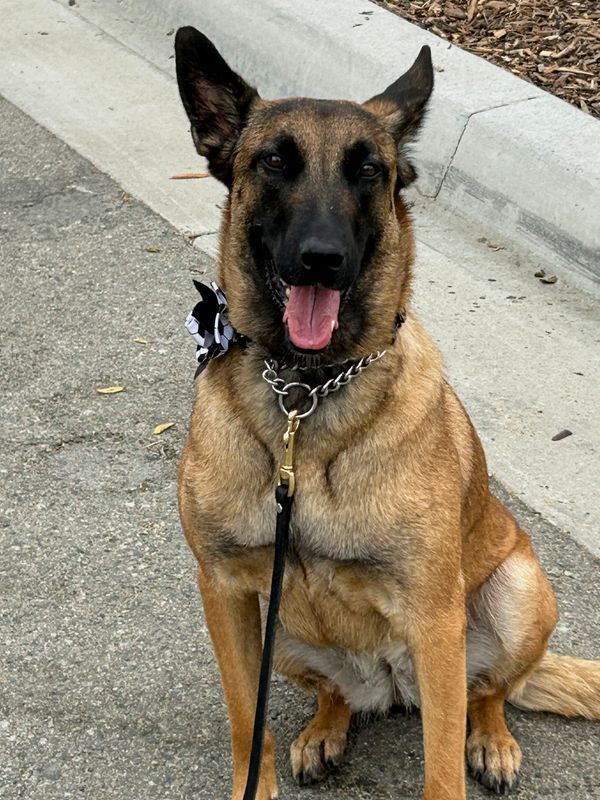
Security dogs proved instrumental in managing threats during the 2026 FIFA World Cup, which was hosted across 16 stadiums spanning the United States, Canada and Mexico. Kali, a five-year-old Labrador Retriever stationed at Los Angeles Stadium's entrance, exemplified the quiet but vital role canines played in keeping explosive devices, firearms, fireworks and other prohibited items from reaching spectators. Her presence alongside hundreds of counterparts deployed throughout North America represented an unprecedented mobilisation of animal security resources for a sporting event.
The geopolitical backdrop made comprehensive security arrangements essential. The tournament coincided with significant tensions between the United States and Iran, whose national team competed in American cities including Los Angeles. The Trump administration's strained diplomatic relations with multiple participating nations added layers of complexity to threat assessment. Beyond international relations, local security challenges emerged, including cartel-related violence in Mexico mere months before kickoff and large-scale political demonstrations staged at venues hosting Iranian matches. These converging pressures created a distinctly elevated security environment compared to previous World Cups.
Mounting such an operation required unprecedented coordination across jurisdictions and agencies. The scale of hosting matches simultaneously across three nations—with preliminary round fixtures, knockout stages, and final preparations occurring at training grounds, team hotels and along transport corridors—stretched security resources considerably. Los Angeles hosted particularly sensitive matches, where political protests became a recurring feature. Glen Kucera, President of Allied Universal Enhanced Protection Services, noted that heightened threat levels during such events justified the deployment of approximately 300 of his firm's 1,000 available dog teams. This represented merely a fraction of the total canine security presence, which drew upon resources from federal agencies, state and local law enforcement, and multiple private security contractors.
The Federal Bureau of Alcohol, Tobacco, Firearms and Explosives contributed trained detection dogs like Kali, whose olfactory capabilities specialised in identifying explosive compounds. The Los Angeles County Sheriff's Department deployed teams including Buck and his handler Anthony Meyers. Security personnel with dogs positioned at vehicle perimeters conducted additional screening, creating multiple layers of screening that every spectator encountered. This multi-layered approach ensured comprehensive coverage while maintaining visible security presence throughout entry processes.
Curera emphasised that the psychological impact of observable security measures proved equally important as actual threat detection capabilities. He noted that approximately ninety-five percent of canine security effectiveness stemmed from the visible deterrent factor rather than active detection. When potential wrongdoers recognised that they would pass close to trained security dogs capable of identifying dangerous materials, the calculation shifted toward compliance. This understanding influenced breed selection and deployment strategy, as security organisers deliberately chose Labradors and similar friendly-appearing breeds over more intimidating German Shepherds or other muscular varieties.
Cultural sensitivity shaped operational decisions throughout the tournament. Organisers recognised that attendees from numerous nations possessed varying comfort levels around dogs. In countries where dog ownership remains uncommon or where security forces historically employed canines as instruments of oppression, the visible presence of large dogs could provoke anxiety rather than reassurance. Kucera's decision to emphasise gentler breeds reflected deliberate effort to balance security imperatives with attendee comfort. The approach aimed to convey safety without creating an atmosphere of intimidation or surveillance that might diminish fan enjoyment or deter future tournament attendance.
However, not all security threats derived from malicious intent. In many football cultures, supporters celebrate goals or victories with fireworks, viewing such displays as traditional expressions of enthusiasm. Security officials focused considerable effort on preventing well-meaning fans from inadvertently introducing prohibited pyrotechnic materials into stadiums. Detection dogs provided an effective non-confrontational method of identifying such items during entry screening, allowing security personnel to remove prohibited materials while maintaining welcoming atmospheres.
Different host cities adopted tailored approaches reflecting local circumstances and available resources. Guadalajara, Mexico, incorporated robotic dogs alongside traditional canine teams, representing technological integration into security protocols. Vancouver, Canada, developed comprehensive multi-layered strategies that positioned dog detection as a central component within broader security frameworks. These variations reflected flexibility in implementation while maintaining consistent security standards across the tournament.
Iran's participation created distinctive logistical and security challenges. Team arrangements requiring the squad to remain based in Mexico, fly into the United States immediately before matches, and depart shortly afterward created fluid scheduling that security teams continuously adapted to accommodate. The geopolitical sensitivities surrounding Iran's matches against New Zealand, Belgium and Egypt, combined with organised political demonstrations at Los Angeles Stadium and the security perimeter expansion required in Seattle for the final match, demanded sustained attention and resource allocation throughout the tournament. The combination of security requirements and protest management tested coordination capabilities across multiple jurisdictions.
The successful execution of security protocols throughout the World Cup demonstrated the evolving sophistication of integrated threat management at mega-events. While centuries of canine deployment in security roles provided proven methodology, the unprecedented simultaneous deployment of hundreds of dog teams across multiple nations, climates and threat environments represented logistical achievement. Security professionals coordinated across federal, state, local and private sector boundaries to maintain safety while preserving the festive atmosphere that characterises the world's largest sporting spectacle.
For Southeast Asian security professionals and regional event organisers, the North American World Cup security model offers instructive lessons regarding scalable threat detection, cultural sensitivity in security measures, and multi-jurisdictional coordination frameworks. As the region hosts increasingly prominent international sporting events and political conferences, the integration of canine detection within broader security architectures—combined with deliberate attention to attendee comfort and cultural context—provides valuable reference points for future planning.

