Médecins Sans Frontières (MSF), known internationally as Doctors Without Borders, has issued a scathing rebuke of the Israeli military for closing investigative cases related to the deaths of its personnel and their family members in Gaza without launching any criminal inquiry. The decision by the Military Advocate General came after nearly two years of pressure from the humanitarian organisation, which had persistently demanded accountability and even escalated its case to Israel's High Court over the military's failure to respond to repeated petitions.
The closure of these cases represents a critical juncture in the ongoing debate over accountability for deaths of humanitarian workers in the Gaza conflict. MSF's statement, released Thursday, characterised the development as a fundamental denial of justice, arguing that allowing a military institution to investigate itself had demonstrably failed to address serious violations that could potentially constitute war crimes under international humanitarian law. The organisation emphasised that the pattern of closures indicates a systemic absence of accountability within Israel's legal framework when it comes to the killing of its personnel.
The humanitarian group has maintained consistent documentation that it took multiple precautions to protect its operations and personnel in Gaza. MSF personnel locations and the identities of staff members were explicitly shared with Israeli military forces through official channels, and all MSF vehicles bore clear identifying markings designed to distinguish them from other vehicles in the conflict zone. Despite these transparency measures, the organisation contends that overwhelming evidence points directly to responsibility by the Israeli armed forces for the fatal incidents.
One particularly notable case involved a November 2023 strike against an MSF convoy that resulted in the deaths of two individuals connected to MSF's work. Among those killed was Alaa Al Shawa, who held dual roles as a relative of an MSF employee and as a volunteer actively supporting medical teams at the severely damaged Al-Shifa Hospital. The circumstances surrounding this incident exemplify the broader challenges humanitarian organisations face in operating within conflict zones where identification protocols appear insufficient to prevent casualties.
A second significant incident occurred in February 2024, when an MSF shelter in Khan Younis came under attack. That assault claimed the lives of an MSF staff member's wife and daughter-in-law, while leaving six others wounded, the majority of them women and children. These particular casualties underscore how the consequences of attacks in Gaza extend beyond direct MSF employees to encompass their immediate family members and vulnerable populations seeking refuge at humanitarian facilities.
The scale of MSF's losses in Gaza reflects the broader humanitarian crisis unfolding in the territory. Since October 2023, the organisation has had 15 staff members killed by Israeli forces, a figure that sits within the context of approximately 1,700 health care workers killed during the same period according to MSF's assessment. This casualty rate among medical personnel indicates systemic challenges in protecting humanitarian infrastructure and personnel during the ongoing conflict.
For Malaysian and Southeast Asian readers, this dispute carries significance beyond humanitarian concerns. It illustrates the difficulties international organisations face when seeking accountability from state militaries, even when operating as neutral humanitarian providers. The closure of investigations without criminal examination raises questions about the adequacy of self-regulatory mechanisms within military systems and the practical implications for organisations attempting to deliver aid in contested environments across the region.
MSF's insistence that no military review can substitute for independent, impartial investigation reflects international humanitarian law principles that have increasingly shaped expectations for conflict accountability across Asia and beyond. The organisation explicitly called for the cases involving its staff to undergo examination by an external investigative body capable of operating free from institutional pressure or bias. This demand mirrors broader global movements toward establishing independent accountability mechanisms for violations during armed conflicts.
The humanitarian group framed its position within the broader context of what it characterises as genocide against Palestinians, arguing that the investigation closures form part of a larger pattern of institutional resistance to external scrutiny. MSF further contended that no military objective, however strategically defined, can justify the deliberate or reckless targeting of civilian populations, including aid workers, medical personnel, and families sheltering in humanitarian facilities.
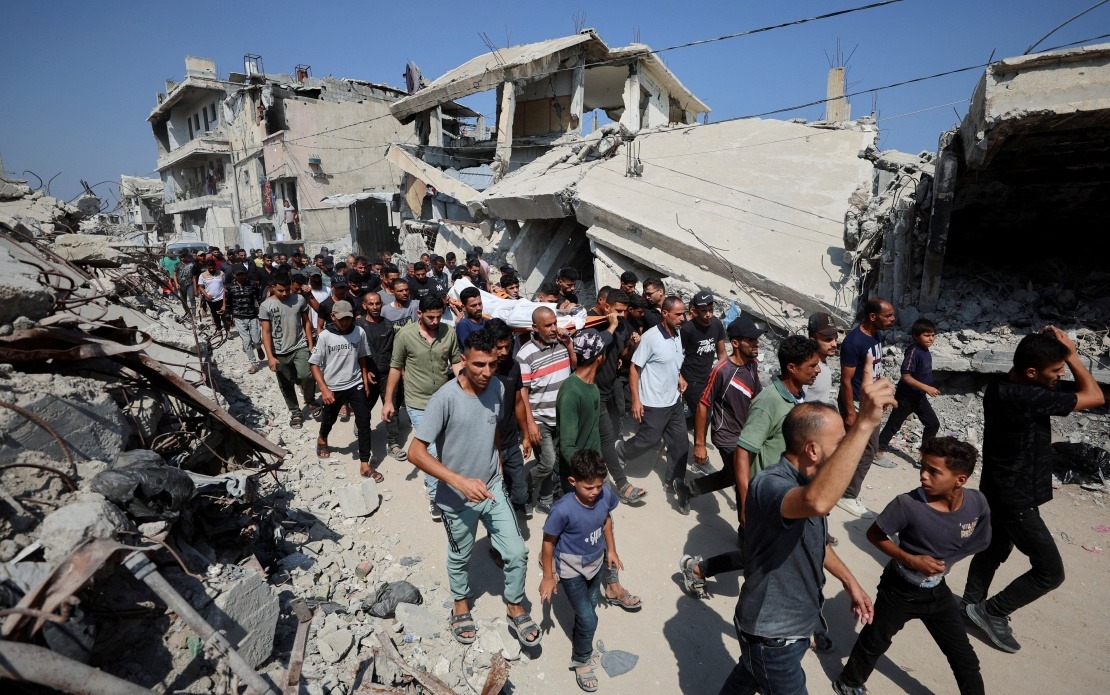
According to Gaza's Health Ministry, the human cost continues to accumulate daily. Over a 24-hour period covered in the reported timeframe, the ministry documented 10 additional Palestinian deaths and 25 wounded. Since October 2023, the cumulative toll has reached 73,417 deaths with 174,360 additional injuries. The ministry also reported that breaches of ceasefire agreements have resulted in 1,283 further deaths and 4,248 wounded, indicating continued violence during periods intended for humanitarian relief and potential settlement negotiations.
For humanitarian operations throughout Southeast Asia and the Global South, this development signals potential risks in advocating for accountability when operating within complex political and military structures. The precedent of cases being administratively closed without investigation may influence how international organisations approach documentation and investigation procedures in other active conflict zones. MSF's experience suggests that prior notification of locations and personnel, while important, provides no guarantee of protection or subsequent accountability when incidents occur.
The broader implications for Malaysian stakeholders include questions about how Malaysia, as a nation with significant humanitarian commitments through BERNAMA and other agencies, might position itself regarding international accountability mechanisms. The case highlights the tension between respecting national sovereignty in military matters and maintaining international standards for investigating deaths of humanitarian workers, a balance that frequently arises in regional diplomacy.
MSF's escalation to Israel's High Court and subsequent public condemnation represent a significant investment of diplomatic and legal resources in pursuit of accountability. The failure to secure investigation, let alone criminal proceedings, may discourage similar advocacy by other organisations or establish precedent for dismissing requests for accountability on grounds of military independence. As humanitarian needs expand across volatile regions worldwide, the question of how organisations can operate effectively while maintaining accountability remains increasingly urgent for international development and relief agencies operating throughout Asia and Africa.

