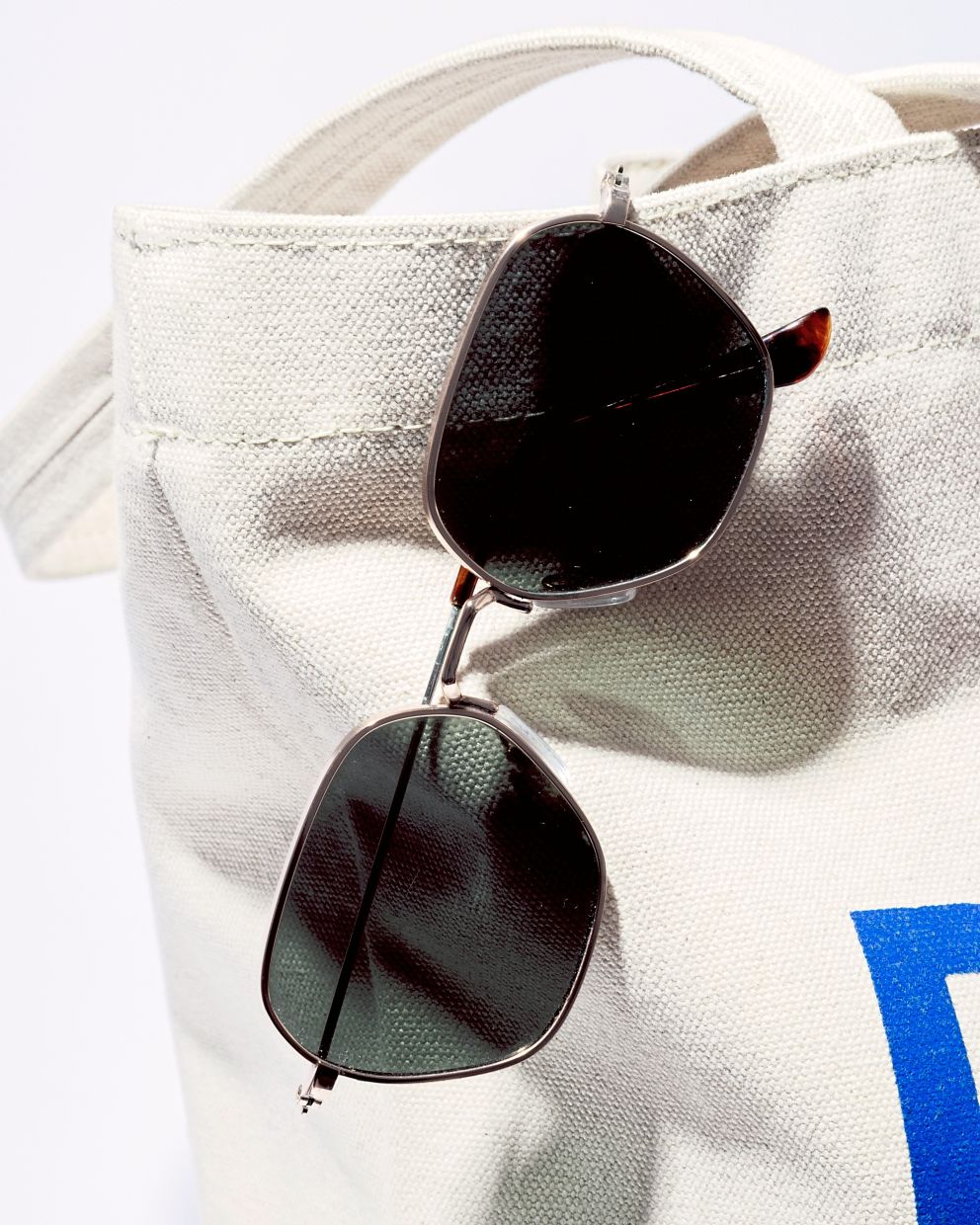
The question of whether sunglasses are a daily necessity has a straightforward answer from the medical community: protecting your eyes from solar radiation is not negotiable. Ultraviolet exposure damages not just the eyes themselves but also the delicate surrounding structures, making sun protection a serious health consideration for anyone spending time outdoors. Yet the practical application of this principle—whether you need a separate pair of dark glasses if you already wear prescription frames—presents a more nuanced situation that depends on individual circumstances and lens specifications.
The sun emits three categories of ultraviolet radiation, though only two penetrate Earth's atmosphere to reach ground level. UVB radiation poses the greater immediate threat to ocular tissues, though UVA radiation also accumulates over time with concerning effects. Crucially, neither type is blocked by cloud cover or seasonal variation; both remain present on overcast days and throughout the year, making consistent protection an ongoing requirement rather than a summer-only concern. This persistent threat underlies why eye care professionals consistently recommend some form of shielding as standard practice for outdoor activities.
The consequences of unprotected UV exposure manifest across multiple eye conditions and structural damage. Cataracts—a clouding of the eye's lens caused by protein accumulation—occur naturally with ageing, but solar radiation accelerates their formation significantly. Beyond cataracts, prolonged UV exposure worsens age-related macular degeneration, a progressive disease that gradually diminishes vision and for which treatment options remain limited. The cumulative effect of years without proper protection can substantially diminish quality of life in later years, making preventive measures in younger years particularly valuable.
Two specific growths directly attributable to sun exposure present distinct concerns. Pinguecula appears as a small yellow deposit on the eye's surface and typically causes minor discomfort without affecting vision. Pterygium, by contrast, grows invasively into the cornea itself and can eventually obstruct vision severely enough to require surgical intervention. The fact that these conditions develop specifically from solar exposure distinguishes them from natural age-related changes and underscores the preventability aspect of sun protection strategies.
The tissue surrounding the eyes deserves equal attention to the eyes themselves. Between five and ten percent of skin cancers in the United States originate on the eyelid, a statistic that reflects the eyelid's frequent exposure and the delicate nature of that skin. Because virtually every cell type found in and around the eye region can potentially mutate under excessive UV radiation, the protective zone extends beyond just the eyeball to encompass the entire orbital area and eyelids. This broader anatomical reality means comprehensive sun protection should address not only direct eye exposure but also the surrounding structures.
For those already wearing prescription eyeglasses, the protective burden does not automatically require purchasing a second pair of sunglasses. Most modern prescription lenses, particularly those manufactured from polycarbonate, include ultraviolet protection as a standard integrated feature rather than an optional add-on. Non-polycarbonate materials typically receive a specialized coating that provides equivalent protection. The key distinction lies not in lens darkness but in confirmed UV-blocking capability, which reaches from clear prescription lenses to deeply tinted sunglasses with equal effectiveness when properly manufactured. Having your existing prescription frames evaluated at a local optical retailer can definitively establish whether they meet current protective standards.
When shopping for any eyewear—prescription or non-prescription—consumers should prioritize labels specifying either "UV400" or "100% UVA/UVB protection." These designations, essentially identical in practical terms, indicate that the lenses block 99 to 100 percent of ultraviolet radiation across the full spectrum. In the United States, the Food and Drug Administration enforces these labelling standards, making false claims illegal. However, this regulatory framework does not extend uniformly across all markets, making label verification particularly important for consumers in Southeast Asia where varying standards may apply. Bargain sunglasses lacking proper UV protection create a dangerous paradox: the dark tint opens the pupil wider, allowing more unfiltered ultraviolet light to reach the retina directly.
Beyond the medical imperatives, a subtle aesthetic consequence merits consideration. Bright sunlight causes involuntary squinting, a protective reflex that repeatedly contracts the delicate facial muscles around the eyes. Over decades, this habitual squinting contributes to permanent wrinkling and crow's feet formation. While this concern ranks below disease prevention, the cumulative cosmetic impact of years without sun protection becomes increasingly visible in middle age and beyond. Proper eyewear that reduces visible light—whether through tint or simply by shielding the eye region—allows these muscles to relax and prevents this preventable source of premature facial ageing.
For those experiencing eye discomfort from bright light—whether manifesting as fatigue, dryness, headaches, or general visual strain—tinted lenses provide meaningful relief by reducing visible light transmission. These symptoms, while not indicating permanent damage, significantly impact daily comfort and productivity. However, brightness alone does not increase cancer risk or trigger the development of UV-related growths; the danger specifically stems from ultraviolet radiation rather than visible light. This distinction explains why protection addresses UV wavelengths specifically rather than simply reducing overall brightness, though tinted lenses address both considerations simultaneously.
The incomplete coverage provided by eyewear alone—whether clear prescription frames or dark sunglasses—highlights the value of layered protection strategies. Eye care professionals consistently recommend supplementing eyewear with a wide-brimmed hat that casts a shadow across the eye region and with facial sunscreen applied around the orbital area. This multi-pronged approach addresses not only direct eye exposure but also scattered and reflected ultraviolet radiation that reaches the eye region from various angles. For individuals planning extended outdoor exposure, particularly in tropical climates like Malaysia's where solar intensity remains high year-round, this comprehensive strategy becomes increasingly important.
Ultimately, the decision regarding whether to carry two pairs of glasses represents a personal comfort calculation rather than a medical imperative, provided the chosen approach genuinely protects against UV exposure. Some individuals find the convenience of prescription sunglasses sufficient, while others prefer maintaining separate prescription and dark frames for different situations. The critical requirement lies in ensuring that whatever eyewear configuration you adopt provides documented UV400 or equivalent protection, fits your lifestyle patterns, and does not create situations where direct sunlight reaches your retina unobstructed. The fundamental principle—that your eyes require consistent protection from ultraviolet radiation—remains constant even as the specific implementation varies by individual preference.

