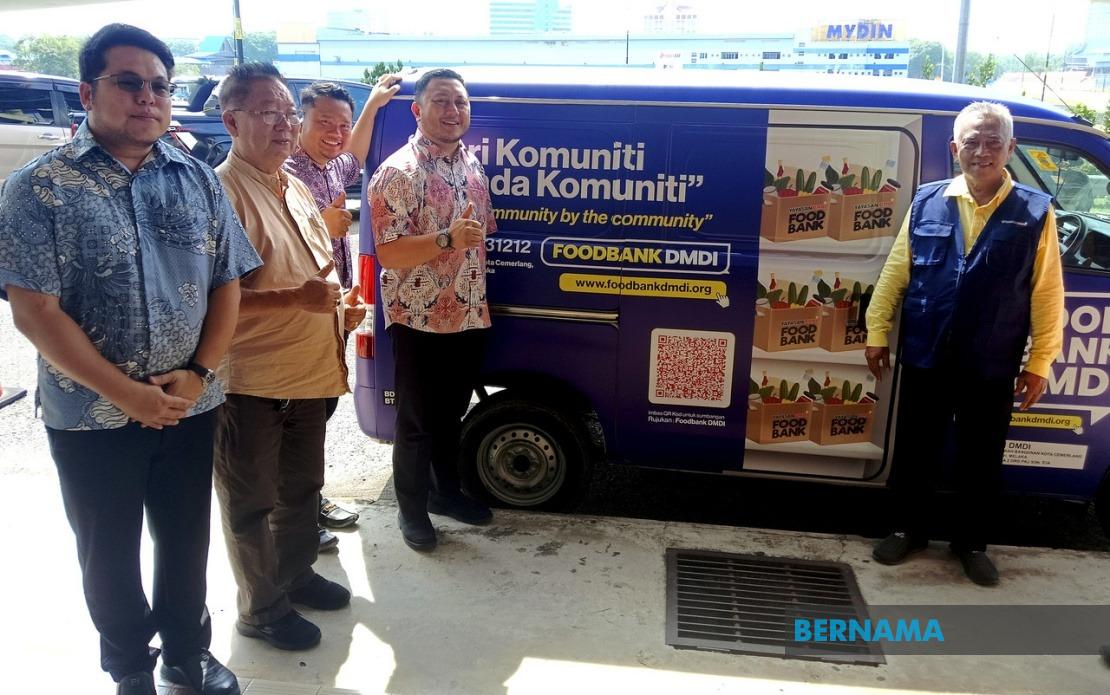
A major charitable initiative has taken root in Melaka, with the Dunia Melayu Dunia Islam (DMDI) Foundation announcing an ambitious food security programme designed to reach 2,000 vulnerable families across the state. Through its Food Bank DMDI initiative, the foundation intends to distribute monthly food packages to qualifying households for a full 12 months, addressing the mounting pressures on those living below the poverty line.
Chairman Datuk Mohd Ridhwan Mohd Ali outlined the phased implementation strategy during an announcement at the DMDI Food Bank Centre in Kota Cemerlang, Ayer Keroh. The foundation will begin by supporting 200 families, using this initial cohort to refine operational processes and gather data before scaling up to the full 2,000-family target. This measured approach reflects lessons learned from similar programmes elsewhere and allows the organisation to maintain quality control and ensure resources reach intended beneficiaries effectively.
The programme deliberately focuses on society's most economically marginalised segments. Priority goes to low-income households struggling with irregular earnings, families supported solely by single mothers, persons with disabilities who face additional employment barriers, and those classified as asnaf—Islamic categories of those deserving charitable assistance. Each recipient family will receive standardised food kits containing essential staples and nutritious items chosen to address basic dietary needs and reduce household expenditure on groceries.
Identification and vetting of beneficiaries follows a community-based approach. The foundation works with local community leaders, grassroots organisers, and neighbourhood figures who understand which families genuinely need support. These recommendations then undergo formal screening by DMDI's Food Bank committee, creating a verification system intended to prevent misuse and ensure resources flow to those facing genuine hardship. This two-stage process balances accessibility with accountability, critical considerations for any aid programme aiming to build public trust.
The foundation has already begun mobilising resources for the initiative. At the launch event, Datuk Mohd Ridhwan received food supplies valued at RM16,000 from multiple donors, representing the first tranche of goods destined for programme participants. This early donor support demonstrates confidence in DMDI's execution capacity and suggests broader community backing for the mission, though sustaining momentum through 12 months of distributions to thousands of families will require continuous fundraising.
Beyond the monthly food kit scheme, DMDI operates a complementary emergency assistance programme addressing disaster-specific needs. When flooding or other calamities strike, the foundation mobilises additional food packages tailored to acute circumstances, supplementing its regular ongoing support. This dual-track approach recognises that poverty is chronic for many families but can be suddenly worsened by catastrophic events, requiring both steady baseline assistance and rapid-response capacity.
The foundation is actively building accessibility into its funding model, recognising that donation barriers can limit participation. Members of the public may contribute starting from as little as RM1 through the dedicated website www.foodbankdmdi.org, removing financial thresholds that might otherwise discourage small donors. Recognising that Malaysian taxpayers benefit substantially from charitable deductions, DMDI is pursuing approval from the Inland Revenue Board (LHDN) to issue tax exemption receipts, a mechanism that typically encourages larger contributions from individual and corporate donors by reducing their taxable income.
For Melaka residents and Malaysian philanthropy more broadly, this initiative illustrates evolving approaches to food security among vulnerable populations. While government assistance through Bantuan Rakyat 1Malaysia (BR1M) and other programmes provides crucial baseline support, grassroots organisations can address gaps by targeting specific communities and delivering culturally appropriate assistance. The involvement of asnaf categories within an Islamic charitable framework also demonstrates how traditional zakat and waqf concepts continue translating into contemporary social welfare action across Malaysian society.
The expansion to 2,000 families would represent meaningful scale in Melaka's context. Assuming an average household size of four persons, this assistance would touch approximately 8,000 individuals—a significant portion of the state's poorest residents. Twelve months of monthly food supply reduces a major household expense category for recipients, potentially freeing limited income for utilities, housing, healthcare, and education. For families with persons with disabilities, where healthcare and mobility costs often consume disproportionate resources, such food assistance addresses real hardship.
Successful implementation depends on sustained donor engagement and organisational capacity. Food bank operations require consistent logistics—purchasing, storage, packaging, and distribution—across a dispersed population. The DMDI Food Bank Centre serves as the physical hub, but reaching 2,000 families across Melaka necessitates either extensive volunteer networks or additional operational centres. These practical considerations often determine whether charitable aspirations become consistent reality or fade after initial enthusiasm.
The programme also reflects broader Malaysian discussions about poverty reduction and social protection adequacy. Formal employment has become less reliable, gig economy work offers minimal benefits, and housing costs consume increasing shares of household budgets. In this environment, non-governmental organisations stepping into food assistance roles indicate perceived gaps in state provision or at least recognition that complementary systems can help. How such programmes evolve, scale, and integrate with government safety nets will shape Malaysia's social resilience in coming years.
The DMDI initiative ultimately represents a significant commitment to practical poverty alleviation in Melaka, moving beyond awareness-raising into direct material assistance. Whether it reaches its 2,000-family goal, sustains distributions for the full year, and possibly expands further will depend on continued community support and donor generosity. For the first 200 families beginning their year of monthly food assistance, however, the impact is already becoming tangible.

