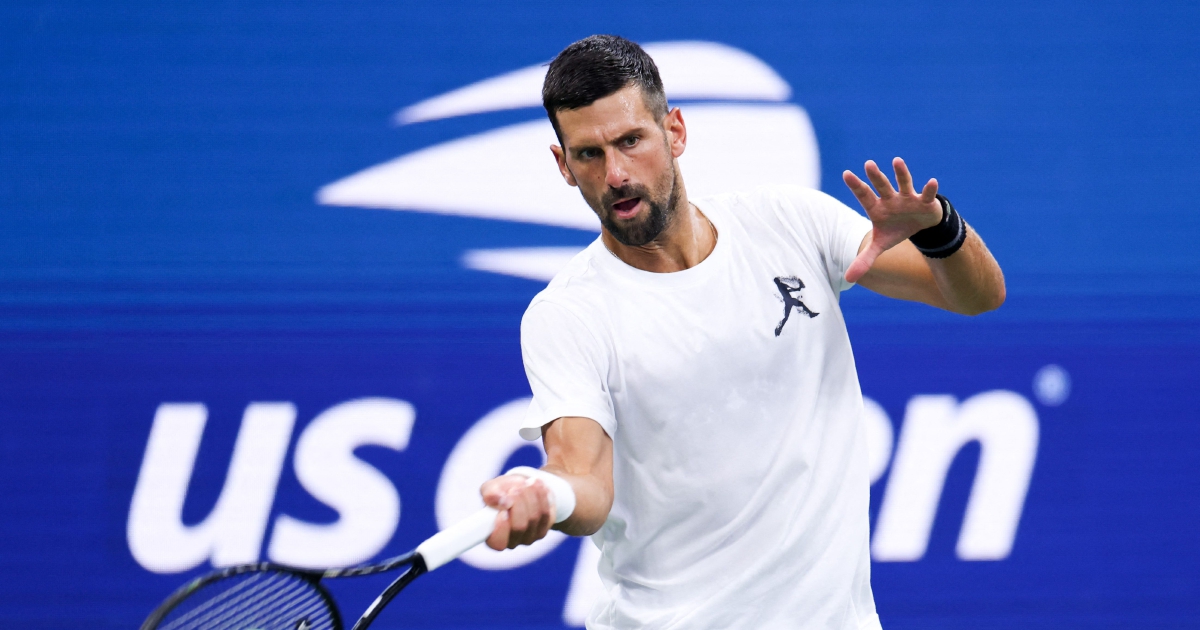
Novak Djokovic enters the US Open with a singular mission: to etch his name into tennis history by capturing a 25th Grand Slam championship, a feat that would stand alone at the sport's highest echelon. The Serbian tennis icon matched Margaret Court's legendary tally of 24 major titles when he triumphed at Flushing Meadows last year, but since that crowning moment in 2023, he has been relentlessly pursuing the next milestone that would cement his legacy as the greatest player to ever grace the game.
The significance of this pursuit transcends mere statistics. Breaking Court's long-standing record, which had endured for decades, would represent a watershed moment in professional tennis, one that underscores the remarkable longevity and competitive excellence Djokovic has maintained throughout his career. At an age when many athletes have retired, the 37-year-old remains not merely competitive but genuinely contending for the sport's biggest prizes, a testament to his meticulous approach to fitness, nutrition, and mental preparation.
For Southeast Asian tennis enthusiasts, Djokovic's quest carries particular resonance. His battles against fellow regional favourites and his influence on the sport's global expansion have made him a compelling figure across the region. The success of players like those competing in major tournaments increasingly reflects the growing competitiveness that Djokovic and his peers have fostered within professional tennis, raising the bar for emerging talents throughout Asia.
Djokovic's preparation for this tournament reflects the intensity he brings to every major championship. The demands of competing at the highest level at his age require meticulous planning, recovery protocols, and strategic tournament selection. His presence at the US Open, rather than prioritizing other events, demonstrates his unwavering commitment to pursuing this historic milestone and his confidence in his ability to deliver when it matters most.
The pathway to 25 Grand Slams, however, is far from guaranteed. The US Open draws the world's elite competitors, each capable of producing their finest tennis on any given day. Young challengers with fresh legs and hunger to establish their own legacies present formidable obstacles. Recent years have seen the emergence of talented players who view unseating Djokovic as their defining achievement, adding layers of difficulty to his quest.
Historically, the US Open has treated Djokovic well. His victory last year demonstrated that he retains the capacity to navigate the tournament's particular demands—the hardcourt surface, the late summer heat, and the intensity of American tennis audiences. Understanding these nuances, and having conquered them recently, provides tangible confidence as he returns to complete unfinished business.
The narrative of an aging champion pursuing records resonates universally but carries special weight in tennis, where physical demands are unforgiving. Djokovic's ability to remain relevant in discussions of dominance across multiple eras of the sport speaks to his adaptability and mental resilience. His preparation for this US Open campaign reflects these qualities, with reports indicating he enters the tournament in optimal condition.
Beyond the personal achievement, Djokovic's record-chasing accomplishment would reshape discussions about tennis greatness for generations. Comparisons with Court have animated tennis discourse for years, and surpassing her mark would definitively answer questions about who should occupy tennis's highest pedestal. This shift in the historical narrative extends beyond individual glory to influence how the sport evaluates excellence and determines legacies.
For Malaysian audiences with growing interest in international tennis, Djokovic's pursuit offers compelling drama. The combination of a living legend attempting to rewrite the record books, combined with the unpredictability inherent in major tournament competition, creates compelling storylines that extend beyond tennis devotees to general sports audiences. His preparation and mindset provide instructive examples of elite athletic mentality.
The stakes surrounding the 25th Grand Slam create genuine tension. Success would validate the relentless pursuit that has consumed Djokovic's focus since 2023, while falling short would intensify questions about whether this particular window for history-making has closed. Such high-stakes scenarios define major tournaments and explain why the US Open, for Djokovic, represents far more than another tournament appearance—it is a chance to secure his place in tennis immortality through the completion of an unprecedented feat.

