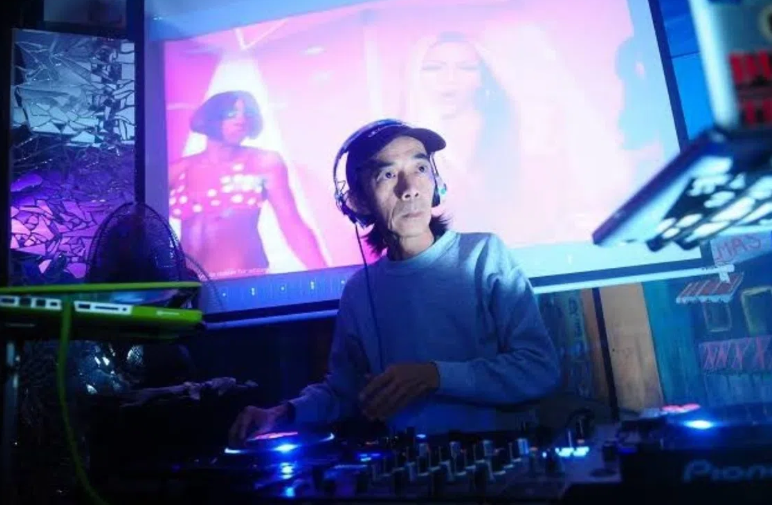
Singapore's nightlife community is mourning the loss of Andrew Chow, widely recognised as DJ Wiz, a trailblazing turntablist and hip-hop advocate who fundamentally shaped the city-state's electronic music culture across three decades. Chow succumbed to stomach cancer on August 3, leaving behind a legacy that extends far beyond the decks where he spent countless nights perfecting his craft.
Through the 1990s and 2000s, Chow emerged as one of Asia's most accomplished DJs, earning widespread respect for his technical mastery and deep knowledge of hip-hop culture. His credentials speak volumes: he clinched three editions of the DMC Singapore DJ and turntablist championship, a feat that underscores his dominance during an era when turntablism commanded genuine prestige in the region. He further cemented his standing by winning the Singapore leg of the prestigious 1998 Technics World DJ Championships, an international competition that attracted elite scratch artists from across the globe.
Chow's most enduring association came through his tenure as resident DJ at Zouk's former Jiak Kim Street location, where he held court from the mid-1990s through the early 2010s. This sprawling venue, particularly the Phuture section within the larger complex, became synonymous with his name among Singapore's nightlife cognoscenti. For loyal patrons, witnessing Chow work the turntables and mixer represented a masterclass in rhythm manipulation and musical storytelling, experiences that veteran clubgoers describe with reverence nearly two decades later.
The depth of Chow's influence becomes apparent through the tributes flooding from fellow musicians and industry figures. Kavan Spruyt, founder of the contemporary nightlife venue Rasa, recalls watching Chow perform during his own formative years, marvelling at the technical precision and seemingly invincible command Chow displayed during Singapore's big beat era. These weren't casual performances, but rather transformative experiences that shaped how younger DJs understood their craft and their relationship with audiences.
DJ KoFlow, the stage name of Wayne Liu, emphasises that Chow's true legacy rests not merely in competition victories but in his tireless commitment to nurturing hip-hop and turntablism culture in Singapore. Liu articulates a perspective that extends Chow's significance beyond personal achievement, recognising him as a cultural custodian who elevated local respect for genres that might otherwise have remained peripheral to mainstream attention in the region.
Another longtime collaborator, DJ Small (Eddie Chan), who has known Chow across four decades of friendship, characterises him as possessing both the technical mastery of a virtuoso and the pedagogical spirit of a mentor. Chan emphasises that Chow's influence operated on multiple registers: as an innovative mixer and scratcher whose technical capabilities inspired emulation, but equally as someone deeply versed in diverse musical traditions who helped younger practitioners understand the intellectual dimensions underlying their craft.
Chow's final public appearance came in May at the DMC Warm-Up Battle event at Kossa, where he served simultaneously as judge and performer, a dual role that reflected his standing within the community. More poignantly, he was scheduled to receive the DMC Legacy Award at the September 6 DMC Singapore event at Rasa, an honour recognising his lasting contributions to turntablism and DJ culture. The award carried particular significance given that it came from the very competition structure within which Chow had achieved distinction decades earlier.
The circumstances of Chow's farewell reflect his personality and values. His daughter Abby Chow, 27, announced the wake and cremation arrangements while specifically requesting that attendees dress in "colourful and stylish" attire rather than conventional mourning clothes. This directive captures something essential about how Chow was perceived: not as a solemn figure to be mourned in traditional fashion, but as someone whose vitality and style transcended the moment of his passing. Abby's social media posts convey a family member comfortable celebrating her father's mojo, his coolness, and his distinctive approach to living.
For Malaysia and the broader Southeast Asian music community, Chow's passing represents the loss of a figure whose influence extended beyond Singapore's borders. The turntablism competitions and hip-hop movements that flourished across the region drew inspiration from pioneers like Chow, who demonstrated that sophisticated electronic music and DJ culture could flourish in the tropics and command respect internationally. His achievements predated the streaming era and social media virality, earned through disciplined practice and genuine mastery at a time when such accomplishments required dedicated, localised community support.
Chow's cremation took place at Mandai Crematorium, concluding formal proceedings that began with his wake at Block 406 Ang Mo Kio Avenue 10. His passing leaves a void in Singapore's cultural landscape—not merely a skilled technician, but a foundational figure whose commitment to excellence and cultural development inspired generations of musicians and enthusiasts.
The tributes emanating from Singapore's music community underscore a truth often overlooked: the architects of electronic music culture, the DJs and turntablists who operated primarily in nightclubs rather than concert halls, left indelible marks on their societies. Chow exemplified this principle, his legacy residing not in platinum records or mainstream recognition, but in the countless nights he devoted to his craft, the technical standards he established, and the younger musicians he influenced through both example and mentorship.

