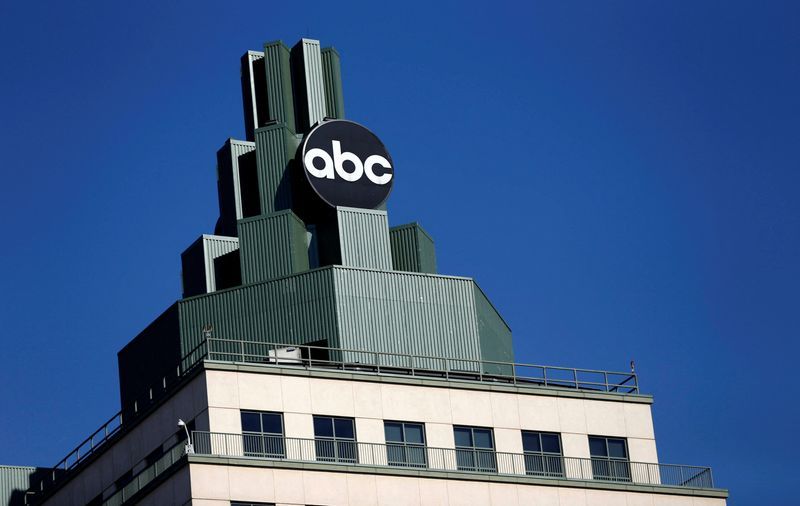
The Walt Disney Company and its ABC television network have initiated legal action against the Federal Communications Commission in Washington, seeking to halt an expedited licence review process affecting eight ABC broadcast stations. Disney contends in its federal court filing that the accelerated examination represents a retaliatory measure orchestrated by the Trump administration against a broadcaster that has refused to capitulate to political pressure regarding programme content and editorial decisions.
President Donald Trump has maintained a prolonged campaign against media outlets he perceives as critical or uncooperative, repeatedly demanding that broadcasters eliminate programmes he views unfavourably and pressuring the FCC to strip ABC of its broadcasting licences. This confrontation represents merely the latest chapter in a two-year dispute between Trump and Disney, with the president renewing calls for licence revocation last month after ABC declined to air a primetime address on election matters.
Disney's legal challenge presents ABC's refusal to comply as an act of principled editorial independence rather than obstruction. The company characterises the FCC's actions as an "extraordinary assault on free speech," asserting that the regulator is weaponising its authority to coerce compliance with administrative preferences. The lawsuit specifically alleges First Amendment violations, arguing that the FCC wields regulatory power not in the public interest but as a punitive mechanism against programming and editorial judgments the administration finds objectionable. This case will serve as a significant test of media freedom protections in the American constitutional framework.
The FCC officially attributes its investigation to a year-long examination of whether Disney's diversity policies constitute unlawful discrimination—an accusation Disney categorically rejects. FCC Chair Brendan Carr ordered the accelerated reviews in April, despite the stations' licence renewals not being scheduled for consideration until October 2028. This represents the first early licence review the FCC has mandated in more than five decades, underscoring the unprecedented nature of the action. When questioned about the investigation, Carr suggested Disney's legal response indicates nervousness about evidence emerging from the examination, though he maintained that no final determination has been made regarding licence revocation proceedings.
For Malaysian and Southeast Asian observers, this dispute carries particular relevance regarding media independence and government regulatory power. The incident demonstrates how political figures in even established democracies may attempt to use licensing authority over broadcasters to influence editorial content—a pattern that resonates throughout the region where media freedom remains contested terrain. The outcome could establish important precedent regarding whether regulatory bodies can legitimately employ licence reviews as mechanisms to address content concerns, or whether such actions inherently violate constitutional protections for editorial decision-making.
The timing of these reviews reflects escalating tensions between Trump and ABC over specific editorial choices. The reviews were ordered immediately after Trump publicly urged ABC to dismiss late-night host Jimmy Kimmel, whose programme commentary Trump found objectionable. Additionally, Trump called for licence revocation in November following criticism of an ABC News correspondent's question to Saudi Arabia's crown prince regarding the 2018 death of Washington Post columnist Jamal Khashoggi—a line of questioning Trump characterised as "insubordinate."
The FCC is simultaneously investigating ABC's daytime programme "The View," which addresses American political topics, after suggesting it may violate federal rules requiring broadcasters to provide equal airtime opportunities to political candidates. Disney has noted that since February, the programme has excluded political candidates from its guest roster, a decision the network attributes directly to the FCC's "pressure campaign."
U.S. District Judge Loren AliKhan has directed both Disney and the FCC to submit proposed schedules for expedited consideration of Disney's request for a temporary restraining order to halt the licence renewal proceedings. The judge has also instructed the FCC to notify her if the agency advances toward initiating the formal licence revocation process. Disney sought rapid court intervention because the public comment period on the reviews concluded earlier in August, leaving the FCC positioned to take action at any moment.
Democratic FCC Commissioner Anna Gomez characterised the agency's conduct as "a campaign of censorship and control," asserting that threatening licence revocation constitutes punishment for speech the administration opposes. Her statement underscores divisions within the FCC itself regarding the appropriateness of the investigation and review strategy.
FCC Chair Carr has articulated his broader regulatory philosophy in framing the investigation, asserting that he intends to enforce the agency's longstanding public interest obligations that he contends have remained inadequately deployed for decades. This rationale provides the official justification for heightened scrutiny of ABC's operations and content, though Disney maintains these obligations cannot legitimately serve as pretexts for content-based retaliation.
Broadcast licences represent essential regulatory permissions allowing networks to transmit across public airwaves. While actual licence revocations remain extraordinarily rare in American broadcasting history, the threat of revocation carries substantial pressure on editorial decision-making. This dynamic creates what media critics characterise as a form of indirect censorship, wherein regulatory threats effectively constrain editorial independence without requiring outright licence removal.
Networks maintain robust First Amendment constitutional protections regarding programming choices, establishing that editorial decisions generally fall beyond government regulatory reach. Whether the FCC's accelerated review and investigation process constitutes an impermissible interference with these protections will likely determine the case's outcome. The White House has declined immediate comment on the litigation.

