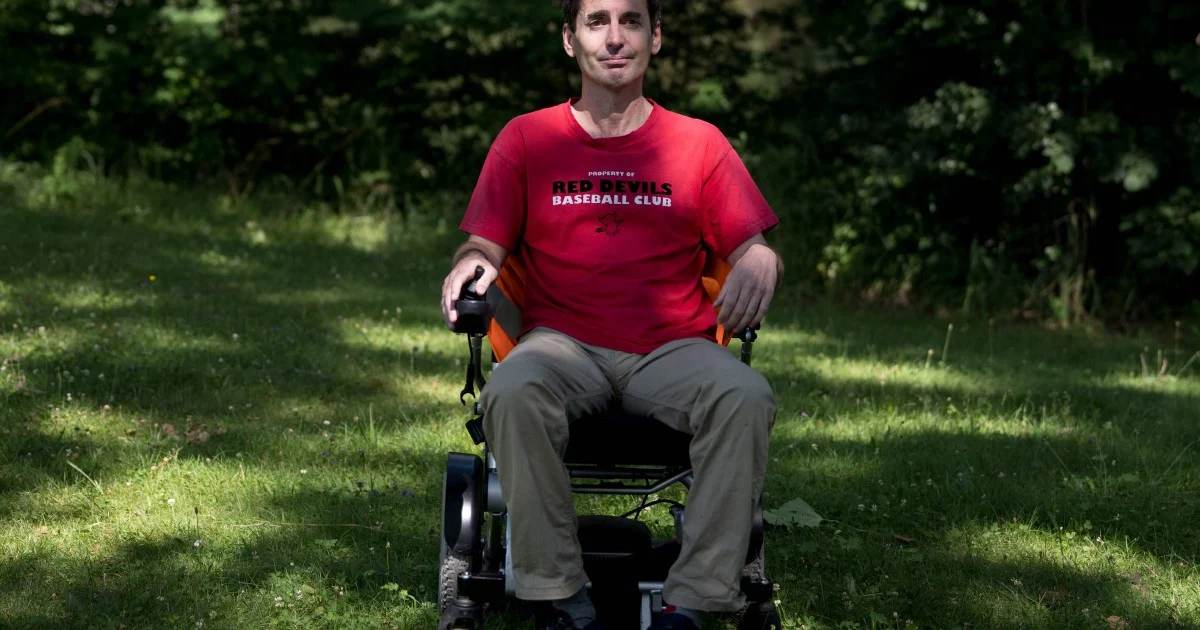
An Austrian man using a wheelchair has lodged a groundbreaking complaint with the European Court of Human Rights, contending that his country's insufficient response to climate change constitutes a violation of his basic human rights. Mex Muellner argues that escalating heatwaves are rendering him effectively trapped during summer months, unable to participate fully in society and threatening his physical wellbeing, while Austria continues to fall short on emissions reduction commitments.
The case highlights an emerging legal strategy in climate advocacy: framing environmental inaction not merely as a policy failure but as an infringement of protected human rights. Rather than challenging Austria through conventional environmental legislation or administrative procedures, Muellner's lawyers are appealing to the continent's highest human rights institution, attempting to establish that citizens have a enforceable right to government action protecting them from climate-related harms.
For individuals with mobility impairments and disabilities, the practical consequences of intensifying heat events present distinct challenges. Extreme temperatures force vulnerable people indoors for extended periods, restricting their ability to work, socialise, and maintain independence. Muellner's situation encapsulates this reality: during heat waves, leaving his residence becomes medically inadvisable, effectively confining him to his home. This immobilisation raises questions about whether governments have obligations to implement preventative measures that ensure equal access to public life regardless of climate conditions.
Austria, despite its reputation as an environmentally conscious European nation, has faced persistent criticism from climate advocates and international organisations regarding its progress toward emissions targets. The country has struggled to reconcile its industrial base and energy infrastructure with ambitious climate pledges, resulting in repeated delays in meaningful emissions reductions. This disconnect between stated commitments and actual implementation forms the core of Muellner's legal argument.
The broader significance of this case extends beyond Austria's borders. Southeast Asian nations, including Malaysia, face mounting pressure from intensifying heat and humidity, particularly affecting working populations and those with health vulnerabilities. If the European court recognises a link between government climate inaction and violations of human rights protections, the precedent could influence similar legal challenges across the region, where climate impacts are accelerating and legal frameworks for environmental protection remain nascent in many jurisdictions.
Corporeal disability advocates argue that climate justice cannot be separated from disability justice. When heatwaves become more frequent and severe, people with conditions affecting temperature regulation, mobility, or cardiovascular function face disproportionate health risks. Governments' failure to invest adequately in cooling infrastructure, accessible public spaces with climate control, and heat response protocols effectively discriminates against disabled citizens by denying them equal participation in civic life.
Europe's human rights courts have increasingly recognised environmental concerns as falling within their jurisdiction, particularly where environmental degradation threatens life, health, and private life protections. The European Convention on Human Rights, which underpins the court's decisions, contains provisions protecting the right to life and respect for private and family life that advocates argue can reasonably extend to climate-related harms. Muellner's case tests whether courts will explicitly connect climate policy failures to these established rights.
Austria's response to the complaint will likely involve arguments about the complexity of climate action, the need to balance economic concerns with environmental protection, and contentions that individual governments cannot unilaterally address a global phenomenon. However, such defences increasingly face skepticism from climate lawyers who point out that wealthy, developed nations bear particular responsibility for historical emissions and possess the resources to transition rapidly toward cleaner systems.
The timing of this litigation reflects growing frustration among climate advocates with the pace of governmental action. Despite decades of scientific warnings and international agreements, global emissions continue rising, and temperature records keep shattering. Pursuing cases through human rights mechanisms represents an attempt to bypass slow-moving legislative processes and force accountability through judicial channels when political institutions appear paralysed.
For Malaysia and other Southeast Asian countries, the precedent carries implications for how climate vulnerability translates into legal entitlements. Many nations in the region lack robust standalone climate legislation or clear mechanisms for citizens to challenge government inaction on environmental grounds. A successful European human rights ruling could provide templates and justification for similar strategies in Asian jurisdictions, potentially empowering communities disproportionately affected by climate impacts to demand governmental accountability through courts.
The case also underscores how climate change operates not as an abstract environmental problem but as a concrete threat to daily living, particularly for marginalised populations. Disability advocates have consistently argued that climate justice frameworks must centre the experiences of disabled people, whose access to basic activities depends fundamentally on environmental conditions and governmental provision of adaptive infrastructure. Muellner's lawsuit transforms theoretical climate rights into a personal story about freedom of movement and bodily autonomy, making the stakes viscerally apparent.

