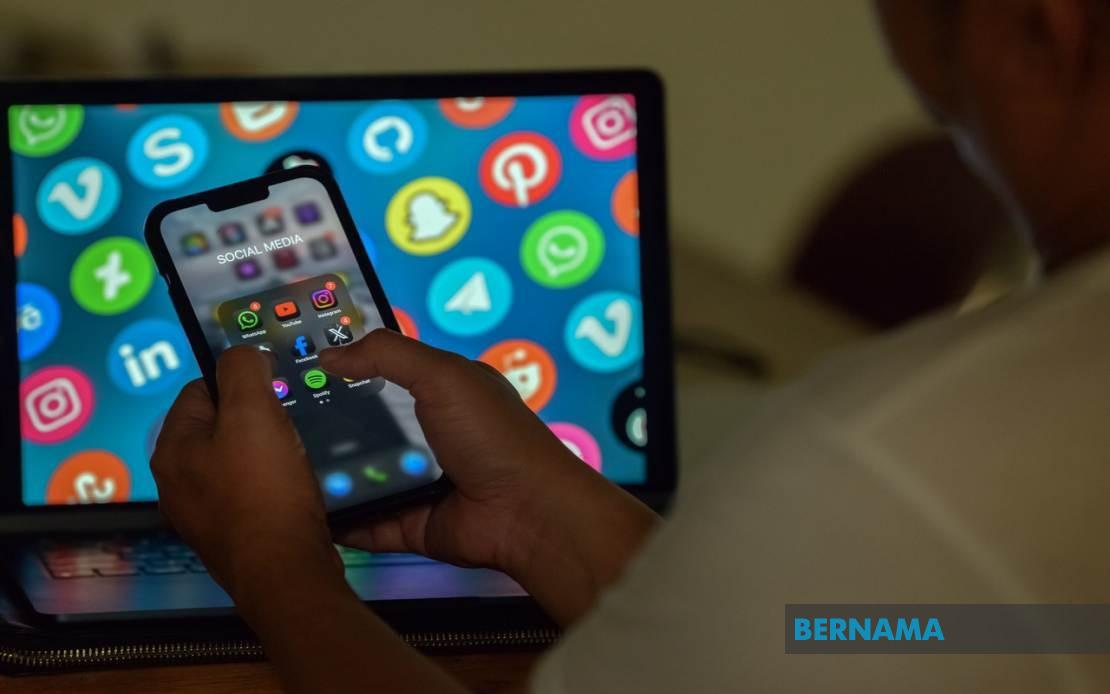
The upcoming Negeri Sembilan state election scheduled for August 1 is witnessing a pronounced transformation in how political candidates connect with constituents, with digital platforms emerging as the dominant theatre of electoral competition. Rather than relying solely on conventional grassroots methods, candidates representing Pakatan Harapan, Barisan Nasional and Perikatan Nasional are deploying sophisticated social media strategies designed to penetrate the state's 889,490 registered voter base. This digital-first approach reflects broader changes in Malaysian electoral behaviour, where online engagement now rivals and in some cases supersedes traditional campaign mechanics like door-to-door canvassing and public rallies.
The strategic deployment of different platforms reveals a sophisticated understanding of voter demographics and digital behaviour. While Facebook and YouTube continue to command the attention of older and middle-aged voters, including those from the Baby Boomer, Generation X and Millennial cohorts, Gen Z voters are gravitating towards TikTok, Threads and Instagram. This generational segmentation is not accidental; candidates and their campaign teams are consciously tailoring content formats, messaging cadence and aesthetic choices to maximise engagement within specific age clusters. The recognition that a single social media strategy cannot effectively reach all voter segments simultaneously marks a maturation of digital electioneering in Malaysian politics, moving beyond simple platform presence towards targeted, demographic-specific content distribution.
Content creation has evolved considerably from the static campaign posters and lengthy prepared speeches that once defined electoral communication. Modern candidates are embracing short-form video content, including TikTok videos, Instagram Reels and YouTube Shorts, which compress key messages into digestible, often entertainment-oriented formats. Point of View clips, trending audio tracks and behind-the-scenes footage have displaced traditional stump speeches as the preferred medium for political messaging. This shift acknowledges a fundamental change in how younger voters consume political information—they expect entertainment value and authenticity alongside substantive policy content, a significant departure from the formal, top-down communication style of previous electoral cycles.
Menteri Besar Datuk Seri Aminuddin Harun, representing Pakatan Harapan in the Linggi constituency, exemplifies this new approach. His social media content documentation ranges from performing dawn prayers to sharing breakfast with residents and conducting community visits by motorcycle. Rather than presenting a formal, distant political figure, this strategy humanises the candidate by showcasing daily activities that mirror voter experiences. His messaging emphasises continuity and stability, positioning Pakatan Harapan's governance track record as central to the election narrative. The appeal to voter religiosity through prayer documentation simultaneously addresses a key voter concern whilst demonstrating that political engagement need not conflict with spiritual observance.
Pakatan Harapan's candidate pool demonstrates varied but complementary approaches to digital engagement. In Paroi, Ahmad Shahir Mohd Shah, popularly known as Ustaz Shahir, leverages his religious credentials and known platform to articulate a vision for constituency development and economic competitiveness. Dr Azizul Hakim Mahdi, contesting in Rantau, has integrated his medical profession into his campaign strategy by offering free health screenings for senior citizens whilst documenting community engagement activities. This professional credentialisation strategy creates multiple touchpoints for voter interaction and positions these candidates as community-embedded figures rather than distant political functionaries.
Barisan Nasional candidates have adopted comparable digital strategies, though their messaging naturally emphasises different themes and accomplishments. Datuk Seri Mohamad Hasan and Datuk Seri Jalaluddin Alias, representing Rantau and Pertang respectively, are similarly utilising social media to document campaign activities and facilitate direct voter engagement. The convergence of digital tactics across different political coalitions suggests that Malaysian electoral politics has reached a consensus about the necessity and effectiveness of social media-driven campaigns, regardless of party affiliation or ideological positioning.
Perikatan Nasional parties, including Bersatu, alongside smaller parties such as Parti Orang Asli Malaysia, Parti Sosialis Malaysia and Barisan Jemaah Islamiah Se-Malaysia, have equally embraced social media as their primary campaign vehicle. For these smaller political actors, digital platforms offer particular advantages, potentially enabling them to reach voters and disseminate their election pledges without the substantial financial investments required for traditional mass media advertising. The democratisation of campaign communication through social media creates space for political newcomers and fringe parties to articulate their positions and contest for voter attention alongside the established coalitions.
The strategic deployment of visual infographics represents another important element of contemporary digital campaigning. Candidates are translating their manifestos and policy positions into shareable visual content, accompanied by responsive commentary on current issues and constituency concerns. This visualisation approach addresses documented research indicating that infographic-based information achieves higher engagement rates and retention than text-heavy policy documents, whilst simultaneously acknowledging shortened attention spans and reduced time investment that voters are willing to devote to political messaging.
Livestream technology has introduced a further dimension to electoral communication, enabling candidates to conduct real-time interaction with voters without geographical limitations or need for physical campaign events. This asynchronous engagement model allows voters to submit questions and receive direct responses, potentially building perceived authenticity and accessibility around candidates. The shift towards livestreaming also accommodates working voters and those with mobility constraints, expanding the potential electorate for candidate-voter interaction.
The emphasis on casual, behind-the-scenes content deliberately contrasts with polished, professionally produced campaign material that once dominated electoral communication. This apparent authenticity—motorcyclist visits, breakfast documentation, prayer participation—creates narrative intimacy that formal political communication struggles to achieve. The strategy implicitly acknowledges voter scepticism towards overly-produced political messaging and preference for apparently unmediated glimpses of candidate activities and personalities.
The dominance of social media in this particular electoral cycle also reflects structural changes in Malaysian media consumption patterns. Traditional newspaper circulation has declined substantially over the past decade, whilst television viewership among younger demographics has fragmented across streaming platforms and online content. Candidates cannot assume that traditional media placement will effectively reach significant voter segments, necessitating the shift towards platforms where target audiences spend increasing amounts of leisure time.
Early voting scheduled for July 28 provides a testing ground for assessing digital campaign effectiveness, as campaign teams can monitor initial turnout patterns and adjust remaining messaging strategies accordingly. The final polling day on August 1 will ultimately determine whether digital campaign sophistication translates into electoral success, offering valuable data points for how Malaysian political parties should allocate future campaign resources across digital and traditional channels.
For Malaysian political observers and campaign strategists, Negeri Sembilan's election offers important lessons about the trajectory of electoral communication in the region. The near-universal adoption of social media across all major political contestants suggests that digital-first campaigning has become a baseline expectation rather than an innovative edge. Future competitive advantage will likely derive not from mere platform presence but from increasingly sophisticated content personalisation, data analytics capacity and the ability to construct compelling narrative frameworks that resonate across diverse voter demographics.

