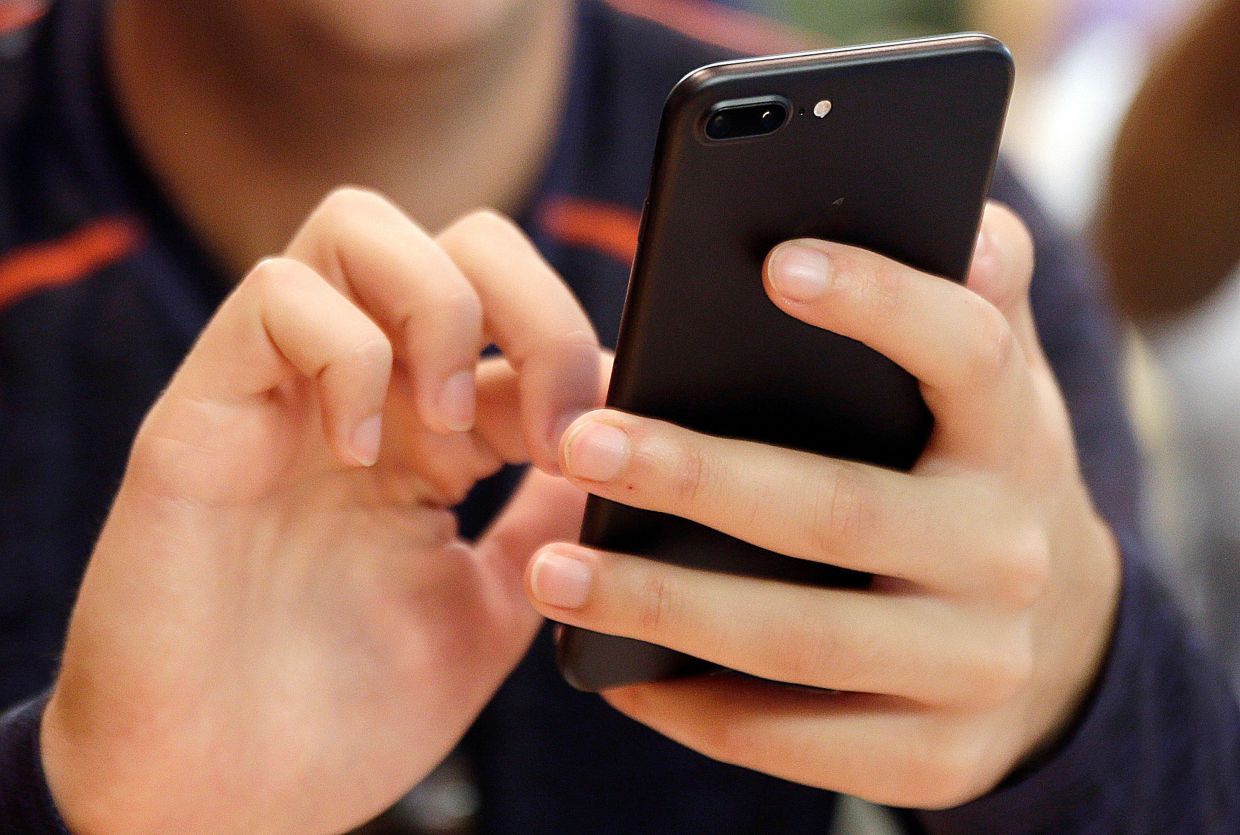
The rise of modern smartphones has created a hidden epidemic of hand and thumb injuries across Southeast Asia, as millions of users spend hours daily texting, scrolling and working on their devices. Medical professionals describe this constellation of symptoms as texting thumb—a catch-all term encompassing everything from joint stiffness and knuckle throbbing to an audible clicking when bending the thumb. What begins as minor discomfort can escalate into debilitating conditions including carpal tunnel syndrome and arthritis if left unchecked, fundamentally altering how people work and live.
The problem has intensified since the early days of mobile computing, when BlackBerry thumb first emerged as a workplace concern. Today's devices are substantially larger and heavier than their predecessors, yet the way we interact with them has fundamentally transformed. Modern smartphones have evolved from communication tools into all-in-one entertainment and productivity platforms, enabling users to manage medical appointments, stream entertainment, conduct financial transactions and maintain social connections—all activities that demand sustained, repetitive hand movements. This shift has created unprecedented demand on hand structures never designed to function in such ways for extended periods.
Dr Maureen O'Shaughnessy, a specialist at the University of Kentucky HealthCare Hand Center, emphasises that rather than encouraging people to abandon their devices—an unrealistic proposition in today's digital world—the focus should shift toward making technology compatible with human physiology. The solution lies not in rejection but in adaptation, requiring users and device manufacturers to work collaboratively to minimise biomechanical stress. This perspective recognises that smartphones represent an irreversible aspect of modern life, particularly for Malaysian professionals, students and young people who depend on constant connectivity.
The mechanics of injury involve sustained positioning that strains vulnerable structures throughout the hand and forearm. Holding devices in a fixed position for hours locks wrists and elbows, creating concentrated pressure at the thumb's base and throughout the wrist. Extended periods holding phones upright, common when watching videos or scrolling social media feeds, exhausts other fingers as well. The problem intensifies because users often fail to recognise the damage occurring until they experience relief—typically during vacations or periods of reduced screen time, when the inflammation gradually subsides and dull aches mysteriously vanish.
The most straightforward intervention involves reducing overall screen exposure and incorporating deliberate breaks into usage patterns. However, acknowledging the difficulty people face when attempting to limit device interaction, O'Shaughnessy recommends practical alternatives that maintain connectivity while reducing strain. Alternating hands during typing, employing index fingers and other digits instead of relying exclusively on thumbs, and varying postures throughout the day all distribute stress across different structures. These adjustments require minimal lifestyle disruption while providing meaningful protection.
Smartphone manufacturers have increasingly incorporated accessibility tools that can substantially reduce thumb workload. Voice-to-text functionality transforms typing into speaking, eliminating repetitive thumb movements for message composition. Enlarging text size reduces the compulsion to hold devices closer to the face, allowing more relaxed positioning. For users struggling with posture maintenance, simple accessories offer tangible benefits. Ring-shaped or circular grip attachments distribute phone weight more evenly across the palm rather than concentrating force at specific points, simultaneously functioning as stands for hands-free viewing during extended entertainment sessions.
Daily stretching routines provide preventive and therapeutic value for existing discomfort. Wrist flexion exercises—tilting the palm toward and away from the body while applying gentle pressure with the opposite hand—address foundational tension in forearm structures. Individual finger flexion and deliberate thumb circles mobilise smaller joints and tendons. For those experiencing specific pain at the thumb's base, placing the hand flat and gently pulling the thumb away from other fingers, maintaining that position for approximately thirty seconds, targets the precise area most affected by texting and scrolling. These exercises require minimal time investment but demonstrate remarkable effectiveness when performed consistently.
However, certain pain patterns warrant professional medical evaluation rather than home management. Persistent aching, numbness, tingling, and pain unresponsive to rest and ice application signal potentially serious underlying conditions. Constant phone use can aggravate existing thumb arthritis or trigger De Quervain's tenosynovitis, characterised by sharp pain and swelling at the thumb's base and wrist. Carpal tunnel syndrome, resulting from nerve compression, produces distinctive symptoms including numbness and weakness. Trigger thumb, involving painful catching and clicking during movement, develops when tendons become inflamed. These conditions, if diagnosed early, respond better to targeted treatment than advanced disease.
Dr Eugene Tsai, a surgeon at Cedars-Sinai Orthopaedics and Sports Medicine, articulates a fundamental truth about human anatomy: hands evolved to perform diverse functional tasks, not to manipulate phones continuously throughout waking hours. Adapting to modern digital life requires intentional strategies that acknowledge this biological reality. The solution involves conscious choices to protect hand structures while maintaining the connectivity modern society demands.
For Malaysian workers, students and digital natives, implementing these protective strategies represents an investment in long-term health and productivity. The incremental effort required to adjust posture, vary hand usage patterns, utilise accessibility features and perform stretching exercises pales against the potential cost of chronic hand conditions. Recognising that smartphone use will remain central to Malaysian life, the challenge becomes developing sustainable practices that maintain hand health whilst embracing the technology-integrated existence characterising contemporary society. Taking intentional breaks and adjusting position may seem minor interventions, yet they fundamentally shift outcomes between chronic pain and continued function.

